What is a Juicer Used For? Ultimate Guide
A juicer is a specialized kitchen appliance used to extract the liquid nutrient content from fruits and vegetables while separating it from the solid pulp and fiber. Unlike a blender, which keeps the entire fruit intact, a juicer creates a smooth, concentrated, and hydrating liquid. It is primarily used to create refreshing health drinks, flavor bases for culinary dishes, and nutrient-dense chilled beverages that allow for rapid absorption of vitamins and minerals.

Understanding the Purpose and Functionality of a Juicer
While the primary answer to what a juicer is used for seems straightforward—making juice—its utility extends far beyond just breakfast beverages. At its core, a juicer is a mechanical extractor. It works by crushing, grinding, or squeezing produce to release the cellular liquid trapped within the plant walls. This process yields a highly hydrating drink that contains a high concentration of phytonutrients, enzymes, and antioxidants without the digestive “heavy lifting” required to process insoluble fiber.
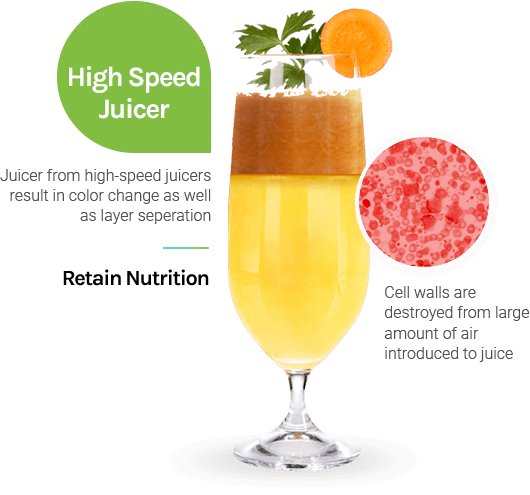
There are two main types of juicers that dictate how the machine is used. Centrifugal juicers use a fast-spinning blade to shred produce and force the liquid through a mesh screen using centrifugal force. These are excellent for those who want a quick, refreshing glass of juice in the morning. On the other hand, masticating juicers (or slow juicers) use an auger to “chew” the produce, mimicking a pressing motion. These are preferred for leafy greens and wheatgrass, as they generate less heat and preserve more enzymes, resulting in a superior quality beverage that can be stored for longer periods when chilled.
Beyond simple drinking, a juicer is used to create potent ingredients for cooking and mixology. For example, fresh ginger or turmeric juice extracted via a juicer serves as a powerful base for health shots or flavor enhancers for soups and stews. Many enthusiasts also use the juice as a base for frozen treats, such as healthy sorbets or ice pops. By removing the fiber, the juicer allows the cook to incorporate intense fruit and vegetable flavors into recipes without altering the texture of the final dish.
Step-by-Step Guide: How to Get the Most Out of Your Juicer
To maximize the efficiency of your juicer and ensure your beverages are as refreshing and nutrient-dense as possible, follow this systematic approach to extraction and preparation.
- Prepare Your Produce: Wash all fruits and vegetables thoroughly. Depending on your juicer’s feed chute size, you may need to chop items into smaller pieces. While many modern juicers can handle whole apples, it is often best to remove large pits (like those in peaches or cherries) and tough rinds (like pineapple skins) to protect the blades.
- Sequence Your Ingredients: If you are juicing leafy greens, sandwich them between harder items like carrots or apples. This helps the juicer push the lighter leaves through the mechanism, ensuring you extract every drop of liquid.
- Control the Speed: If using a multi-speed centrifugal juicer, use lower speeds for soft fruits (like berries or citrus) and higher speeds for hard vegetables (like beets or ginger). This prevents wasting juice in the pulp bin.
- Serve and Store: Juice is best consumed immediately for maximum nutritional value. Pour your juice into a glass over ice to make it crisp and chilled. If you must store it, use an airtight glass container and fill it to the brim to minimize oxidation.
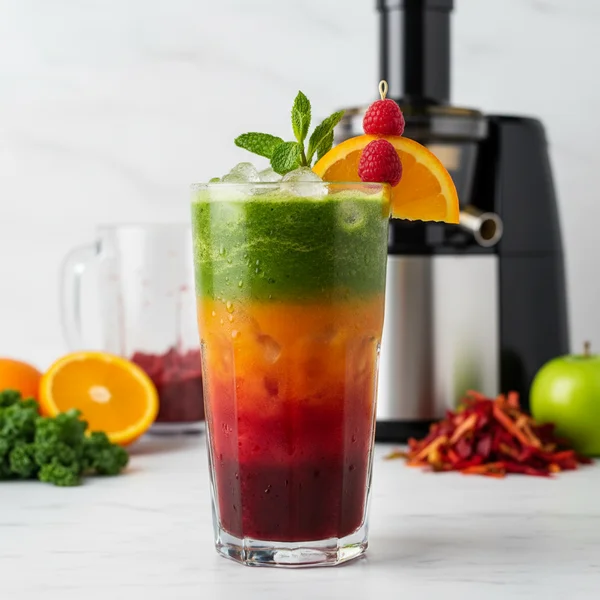
- Enhance the Presentation: To turn a simple juice into a gourmet experience, add a garnish such as a sprig of mint, a slice of cucumber, or a dusting of cayenne pepper. This adds aromatic complexity to the hydrating drink.
Important Considerations When Using a Juicer
One of the most important distinctions to remember is the difference between a juicer and a blender. While a blender is used to create smoothies by retaining the fiber, a juicer removes it. This is beneficial for high-nutrient intake without satiety, but it also means the natural sugars in fruit are absorbed much faster. It is often recommended to follow a “80/20” rule—juicing 80% vegetables and only 20% fruit—to prevent blood sugar spikes.

Maintenance is another critical consideration. Juicers consist of several moving parts and fine mesh screens that can easily harbor bacteria or become clogged with dried pulp. It is vital to clean your machine immediately after use. Most of the “work” in juicing is actually the cleanup; if the pulp dries on the screen, it becomes incredibly difficult to remove, which can eventually burn out the motor or result in a bitter-tasting juice.
Finally, consider the waste. The pulp left over from juicing is rich in fiber. Instead of tossing it, many users find creative ways to repurpose it. Vegetable pulp can be added to soups, muffins, or even dehydrated to make crackers. This ensures you are getting the full value out of the produce you buy.
- Freeze for Later: If you have an abundance of juice, pour it into ice cube trays. These frozen juice cubes can be added to water or blended later for a quick slushie.
- Citrus First: When juicing citrus, peel the colorful zest if you want a milder flavor, but leave as much of the white pith as possible, as it contains high levels of bioflavonoids.
- Temperature Matters: Always use cold produce from the refrigerator to ensure your final drink is perfectly chilled and refreshing from the moment it leaves the spout.
Conclusion
In summary, a juicer is an essential tool for anyone looking to increase their intake of raw, plant-based nutrients in a highly concentrated form. Whether you are using it to create a hydrating green juice to start your day or extracting vibrant liquids for culinary garnishes, the versatility of this appliance is unmatched. While it serves a different purpose than a blender, it remains a cornerstone of a health-conscious kitchen. By understanding the mechanics, maintaining the equipment, and experimenting with various produce combinations served over ice, you can enjoy refreshing, professional-quality beverages at home.
❓ Frequently Asked Questions
1
How long does fresh juice last in fridge?
Fresh juice typically lasts about 24 to 48 hours in the refrigerator. To preserve the highest level of nutrients and prevent oxidation, store it in an airtight glass container filled to the brim. If the juice changes color significantly or smells sour, it is best to discard it immediately.
2
Can I make juice ahead of time?
Yes, you can make juice ahead of time, but it is best consumed within a day. Since home juicers don’t pasteurize the liquid, enzymes and vitamins begin to break down quickly. For the most hydrating and refreshing taste, try to juice only what you plan to drink very soon.
3
What can I substitute for a juicer?
If you do not have a juicer, you can use a high-speed blender. Simply blend your produce with a little water or ice, then strain the mixture through a nut milk bag or fine-mesh sieve to remove the pulp. This creates a similar refreshing and hydrating beverage at home.
4
How do I know when the juicer is done?
You will know the juicer is finished when the liquid stops flowing steadily into the container and the motor sound changes. Most centrifugal juicers process produce in seconds, while masticating juicers take longer. Always check that the pulp being ejected appears relatively dry and not soaking wet or messy.
5
Can I freeze fresh juice?
You can freeze fresh juice for up to three months. Use freezer-safe containers or silicone ice cube trays for easy portioning. Freezing is a great way to preserve a large harvest, though the texture might change slightly. Thaw it in the fridge before serving with a fresh mint garnish.