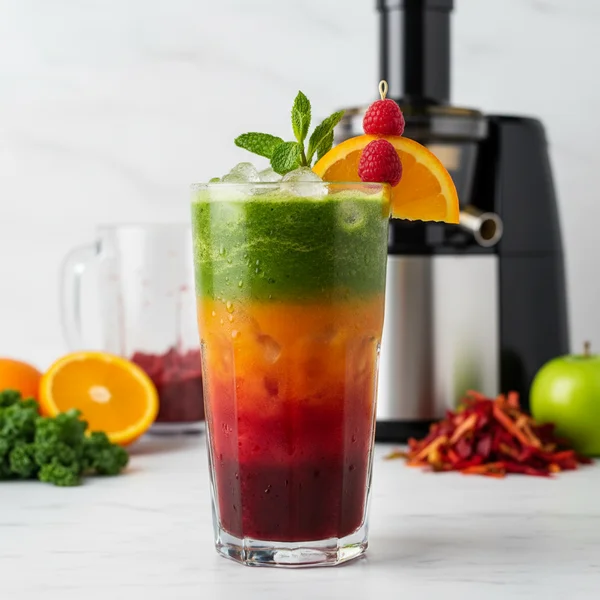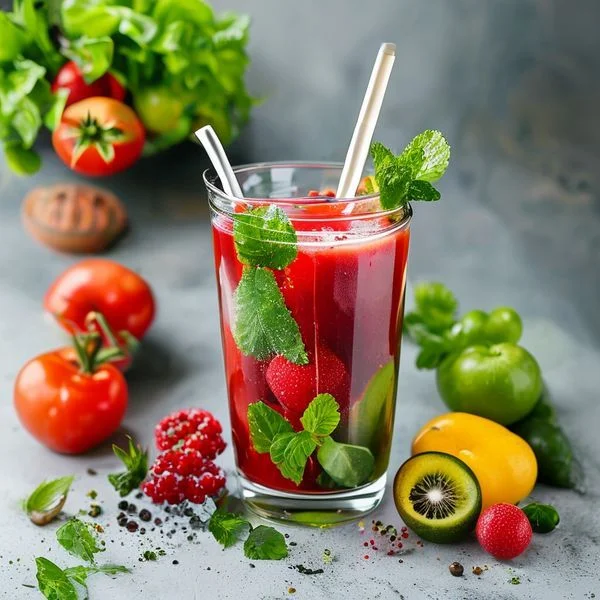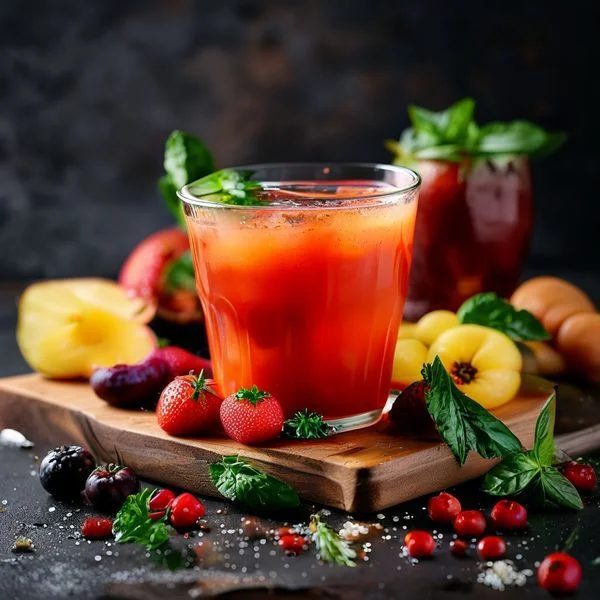
How to Start Juice Business: Perfect Guide
Starting a juice business in the dessert sector requires a unique fusion of fresh fruit extraction and artisanal baking. To begin, define your niche—such as a “juice and cake bar”—and secure necessary food permits. Success hinges on sourcing premium ingredients like organic sugar, flour, and butter to create a menu where cold-pressed juices complement juice-infused pastries. By combining commercial-grade juicing equipment with a professional baking station for frosting and icing, you can create a high-margin, dual-threat culinary brand.
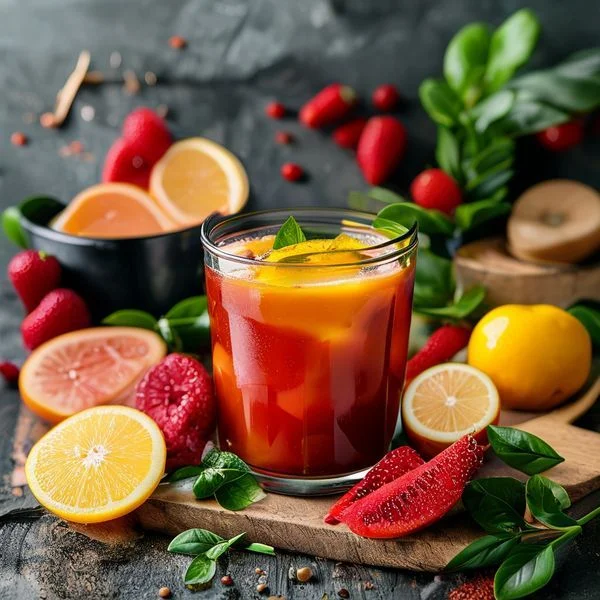
How to Start a Juice Business: Merging Liquid Refreshment with Gourmet Desserts
Launching a juice business today requires more than just a blender and a few oranges; it requires a comprehensive brand strategy that often intersects with the world of gourmet desserts. The modern consumer seeks an experience that balances the health-conscious nature of fresh juice with the indulgent satisfaction of a high-quality treat. This hybrid model, often referred to as a “Juicery and Patisserie,” allows entrepreneurs to maximize their revenue streams by offering both hydration and dessert pairings.
The scientific foundation of a successful juice-based dessert business lies in flavor profiling. When you use fresh juice as a primary ingredient in your baking, you introduce natural acidity and sugars that interact with your dry ingredients. For instance, replacing water or milk with orange or pomegranate juice in a cake batter reacts beautifully with baking powder, creating a light, airy crumb that traditional recipes might lack. Furthermore, the inclusion of a high-quality vanilla extract can bridge the gap between the tartness of the juice and the richness of the butter, creating a cohesive palate for your customers.
From a practical perspective, starting this business means understanding the chemistry of your menu. You aren’t just selling a drink; you are selling a curated flavor profile. A cold-pressed green juice might be paired with a lemon-zest biscuit made with premium flour and topped with a light icing. This approach positions your business as an artisanal destination rather than a standard beverage stand. By focusing on the synergy between the liquid and the solid, you create a unique selling proposition that is difficult for competitors to replicate.
Step-by-Step Guide to Launching Your Juice and Dessert Venture
Building a business from the ground up requires a methodical approach. Follow these steps to ensure your juice and dessert business is built on a solid foundation.
1. Define Your Concept and Niche: Decide whether you will focus on “Wellness Juices” paired with gluten-free treats or “Indulgent Juice Blends” paired with heavy desserts. Your choice will dictate your ingredient list, from the type of sugar you stock to the specific grade of flour used in your kitchen.
2. Create a Comprehensive Business Plan: Outline your startup costs, including commercial juicers, industrial ovens, and refrigeration. Factor in the cost of high-turnover ingredients like butter and fresh produce. A well-documented plan is essential if you are seeking external funding or small business loans.
3. Secure Legal Permits and Kitchen Space: Check local health department regulations. Juice businesses often have stricter sanitization requirements due to the raw nature of the product. Ensure your kitchen has separate zones for juice extraction and dessert preparation to avoid cross-contamination of dry ingredients like baking powder.
4. Source Your Ingredients: Establish relationships with local farmers for fruit and wholesale suppliers for your baking staples. To maintain a premium brand, always opt for pure vanilla extract over synthetic imitations and high-fat butter for your pastries.
5. Develop a Signature Menu: This is where the magic happens. Experiment with juice-infused frosting for your cupcakes or a signature whipped cream stabilized with fruit reductions. The goal is to make the juice the star of the show in both the glass and on the plate.
6. Design Your Branding and Online Presence: Your visual identity should reflect the freshness of your juice and the sweetness of your desserts. Use high-quality photography showing a cold bottle of juice next to a perfectly glazed pastry with shimmering icing.
7. Launch and Gather Feedback: Start with a soft opening. Offer samples of your juice alongside small bites of your desserts to see which pairings resonate most with your audience.
Important Considerations for Long-Term Success
When running a juice and dessert business, shelf life is your biggest challenge. Freshly pressed juice has a very limited window of peak freshness, often as short as 48 to 72 hours. Similarly, desserts topped with fresh whipped cream or delicate icing must be managed carefully to ensure they don’t lose their texture or visual appeal. Inventory management is crucial; you must balance your stock of perishables like berries and cream with shelf-stable items like sugar, flour, and baking powder.
Consistency is another vital factor. A customer who falls in love with your juice-infused cake expects the same level of moisture and flavor every time they visit. This means measuring your vanilla extract and butter to the gram and ensuring your juicing process yields the same brix (sugar content) level in every batch. Fluctuations in fruit sweetness can affect how your frosting sets or how much additional sugar you might need to add to a recipe.
Finally, do not overlook the importance of food safety. Raw juices can harbor bacteria if not handled correctly, and dairy-based components like whipped cream require strict temperature controls. Investing in high-quality refrigeration and staff training is not optional; it is a fundamental requirement for the longevity of your brand.
- Flavor Balancing: Use a pinch of salt to enhance the natural sugar in your juices, making them taste fresher and more vibrant.
- Texture Secrets: When making juice-flavored frosting, use concentrated fruit reductions to prevent the icing from becoming too runny.
- Waste Reduction: Use the leftover pulp from your juicing process as a fiber-rich addition to muffins or specialty flour-based breads.
- Aromatic Boost: A high-quality vanilla extract can help mellow out the sharp acidity of citrus-based juices in baked goods.
Conclusion
Starting a juice business that incorporates a dessert element is a visionary way to enter the food and beverage industry. By understanding the interplay between ingredients like baking powder, butter, and fresh fruit extracts, you can create a menu that stands out for its innovation and flavor. Success requires a meticulous focus on quality, from the flour used in your kitchen to the whipped cream on your signature treats. With a solid business plan, a commitment to freshness, and a creative approach to flavor pairings, your juice and dessert business can become a beloved local staple.
❓ Frequently Asked Questions
1
How long does juice business cake last in fridge?
When stored in an airtight container, your signature cake will remain fresh for about 4-5 days. Ensure the fridge temperature is consistent to prevent the butter-based crumb from drying out. If you’ve used fresh juice in the frosting, it is best consumed within 72 hours for peak flavor.

2
Can I make the signature cake ahead of time?
Yes, preparing your cakes in advance is a great way to manage your time when learning how to start juice business. You can bake the sponges a day early, wrap them tightly in plastic wrap, and store them at room temperature before frosting them on opening day.
3
What can I substitute for butter in the recipe?
For a healthier juice-bar alternative, you can substitute the butter with coconut oil or applesauce. While butter provides a rich flavor, coconut oil complements fresh fruit juices perfectly. Keep in mind that flour and baking powder ratios remain the same, but the texture may be slightly denser.
4
How do I know when the cake is done?
The cake is finished when a toothpick inserted into the center comes out clean. Because this recipe uses baking powder for lift and vanilla extract for aroma, you will also notice the edges pulling away slightly from the pan and a fragrant, golden-brown top after about 30 minutes of baking.
5
Can I freeze the juice business cake?
Absolutely. Freezing is an efficient way to manage inventory when you first start. Wrap individual slices or whole layers in double plastic wrap and foil. They will stay fresh for up to three months. Thaw at room temperature for a few hours before serving to your customers.