How to Start Juicing: Ultimate Beginner’s Guide
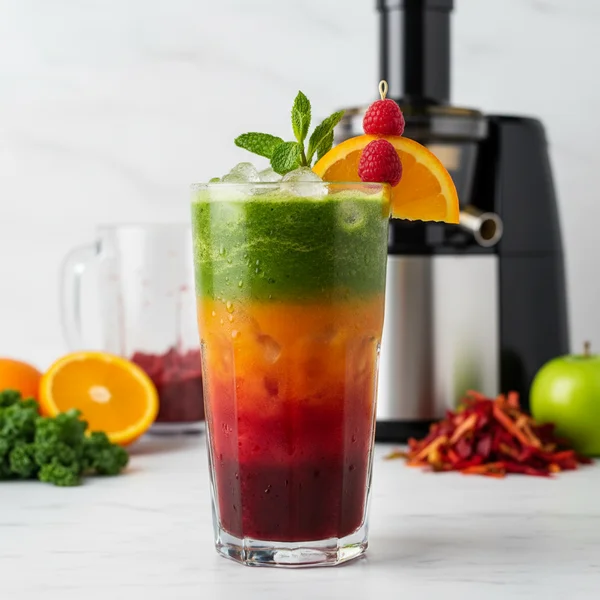
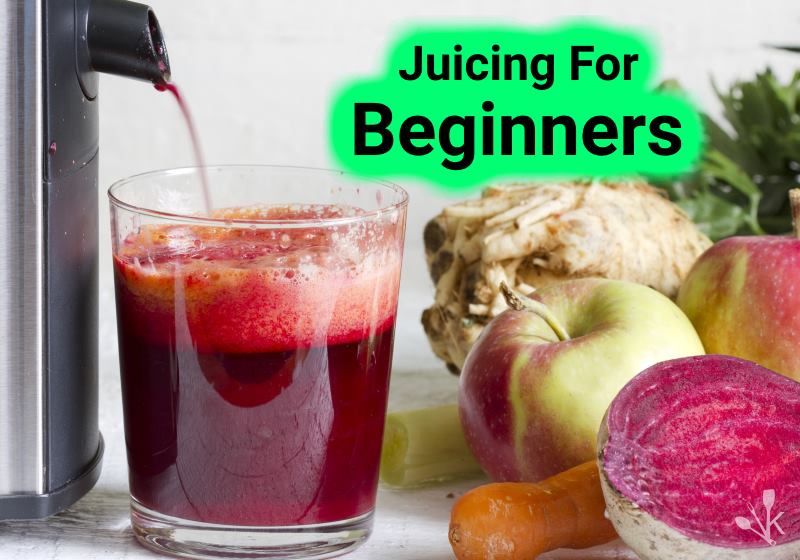
To start juicing, you need a reliable juicer, fresh produce, and a plan to balance flavors. Begin by selecting a masticating or centrifugal juicer and start with high-yield, sweet bases like apples, carrots, or oranges. While many view juicing as a health ritual, it serves as a fantastic natural alternative to traditional desserts made with sugar and flour. By extracting nutrient-dense liquids from fruits and vegetables, you can create “liquid desserts” that satisfy cravings without the heavy fats found in butter or whipped cream.
Understanding the Basics: Why Juicing is the New Dessert Alternative
Starting a juicing journey is often motivated by a desire for better health, but for those with a sweet tooth, it is also an exploration into a new world of “liquid treats.” When we think of traditional desserts, our minds often go to cakes rising with baking powder or cookies scented with vanilla extract. However, juicing allows you to capture the concentrated essence of produce, providing a sweetness that rivals any traditional confection.
The scientific appeal of juicing lies in the separation of juice from fiber. This process allows your body to absorb vitamins and minerals almost instantly. While a standard dessert might rely on sugar and butter for flavor and texture, a well-crafted juice relies on the complex profiles of enzymes and phytonutrients. For beginners, the transition from eating whole fruits to drinking them can be a revelation. You aren’t just drinking a beverage; you are consuming a concentrated extract that can be just as satisfying as a bowl of berries topped with whipped cream.
One of the most practical reasons to start juicing is the versatility of the leftover pulp. In the world of sustainable baking, the dry fiber left behind in the juicer bin is a goldmine. Instead of tossing it, you can incorporate vegetable pulp into recipes that use flour and baking powder to create moist, nutrient-dense muffins or crackers. This bridges the gap between the juicing world and the dessert world, ensuring that no part of your expensive organic produce goes to waste.
How to Start Juicing: A Step-by-Step Guide for Beginners
Transitioning into a juicing lifestyle requires a bit of preparation and the right mindset. Follow these steps to ensure your first experience is as delightful as a fresh piece of cake with icing.
1. Choose Your Equipment: There are two main types of juicers. Centrifugal juicers are fast and affordable, perfect for those used to the quick pace of modern kitchens. Masticating juicers (cold-press) are slower but preserve more nutrients and yield more juice from leafy greens. Think of this choice like choosing between a hand whisk and a stand mixer for your frosting; both get the job done, but one offers a more refined result.
2. Select Your Base Produce: For beginners, palatability is key. Start with high-water content fruits and vegetables. Cucumbers, celery, apples, and pears are excellent bases. They provide plenty of liquid and a mild flavor profile that can be easily adjusted.
3. Layer Your Flavors: Just as you would balance sugar with a pinch of salt or vanilla extract in a batter, you must balance your juice. If you are using earthy vegetables like kale or spinach, add a lemon or a thumb of ginger to brighten the flavor.
4. Prep and Wash Thoroughly: Always wash your produce to remove pesticides and dirt. Cut items into sizes that fit your juicer’s chute. You don’t need to peel everything; many nutrients live in the skin of apples and cucumbers.
5. Drink Immediately: Juice begins to oxidize the moment it is extracted. To get the most “dessert-like” freshness, drink your juice right away. If you must store it, use an airtight glass jar and consume it within 24 hours.
Important Considerations for a Successful Juicing Journey
When you start juicing, it is easy to go overboard with fruit. While fruit juice is delicious, it contains high amounts of fructose. If you are replacing a traditional dessert like a cupcake smothered in frosting with a large glass of pure pineapple juice, you are still consuming a significant amount of sugar. To keep your blood sugar stable, aim for a ratio of 80% vegetables to 20% fruit.
Another common mistake is neglecting the cleaning process. Juicers have many small parts that can harbor bacteria or mold if left unwashed. Treat your juicer with the same care you would treat a delicate icing spatula or a specialty baking pan. Clean it immediately after use to prevent the pulp from drying and hardening.
Lastly, consider the “texture” of your health journey. Juicing removes fiber, which is essential for digestion. Ensure you are still eating whole fruits and vegetables throughout the day. Juicing should be a supplement to your diet, or a healthy “dessert” replacement, rather than a total replacement for whole foods. If you find yourself missing the decadence of whipped cream or the richness of butter, try adding a splash of coconut milk to your juice for a creamy, tropical finish that mimics a gourmet treat.
- Use the Zest: Add a bit of lemon or orange zest to your juice to mimic the aromatic quality found in professional icing and cakes.
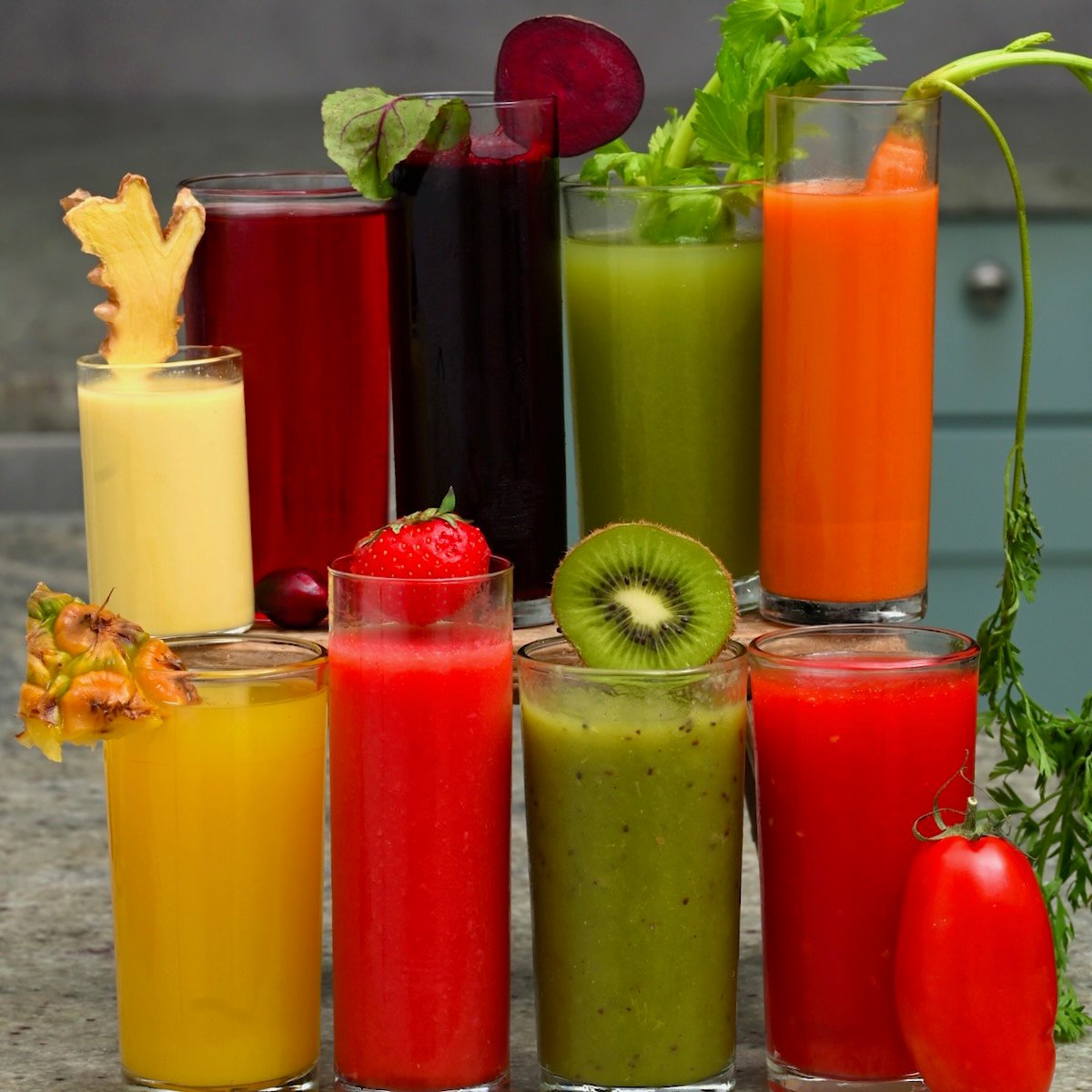
- The “Sweet” Secret: Carrots and beets provide a deep, earthy sweetness that works beautifully when you want to avoid adding refined sugar to your diet.
- Pulp Power: Freeze your fruit pulp in ice cube trays to add to future smoothies or to thicken a fruit-based icing for a more natural dessert decoration.
- Temperature Matters: Juice tastes best when chilled. Store your produce in the refrigerator before juicing so the final product is crisp and refreshing.
Conclusion: Finding Sweetness in Every Sip
Starting your juicing journey is an exciting way to recalibrate your palate and discover the natural sweetness of the earth. By moving away from heavy desserts laden with flour, butter, and icing, you open the door to a more vibrant and energetic version of yourself. Remember that balance is key; use your juicer to experiment with flavors just as a baker experiments with vanilla extract and baking powder. With the right equipment and a variety of colorful produce, you can create delicious, dessert-inspired drinks that nourish your body from the inside out. Summarily, start slow, prioritize variety, and don’t forget to enjoy the process of crafting your own liquid gold.
❓ Frequently Asked Questions
1
How long does fresh juice last in fridge?
Fresh juice is best consumed immediately for peak nutrition. If stored in an airtight glass container, it can last between 24 to 48 hours. After this period, the juice begins to lose vital enzymes and may develop a bitter taste or undergo color changes due to oxidation.
2
Can I make juicing prep ahead of time?
Yes, you can wash and chop your fruits and vegetables up to 24 hours in advance. Store the pre-cut ingredients in sealed containers in the refrigerator. This makes the morning juicing process much faster and ensures you stay consistent with your new healthy juicing routine every day.
3
What can I substitute for a traditional juicer?
If you don’t own a juicer, use a high-speed blender to blend your ingredients with a splash of water. Afterward, pour the mixture through a nut milk bag or fine-mesh sieve to separate the liquid from the fiber. This manual method produces excellent results for beginners starting out.
4
How do I know when the produce is ready?
Always choose produce that is firm, heavy for its size, and free of bruising or soft spots. For citrus, a thinner skin usually indicates more juice content. Fresh, crisp vegetables will provide a higher yield and a much cleaner, more vibrant flavor in your final juice glass.
5
Can I freeze fresh juice?
You can freeze fresh juice in silicone trays or freezer-safe jars for up to three months. Leave some space at the top for expansion. While freezing causes a slight loss in nutrient density, it remains a healthy alternative to store-bought options and is great for making frozen treats.