What is Raw Juice: Healthy & Simple Guide
Raw juice is a concentrated liquid extracted from fresh, uncooked fruits and vegetables without the application of high heat or chemical pasteurization. By bypassing the heating process, raw juice preserves its natural live enzymes, vitamins, and phytonutrients that are often diminished in commercial bottled juices. It is a highly hydrating and refreshing beverage typically created using a cold-press juicer or a high-speed blender, intended to be consumed chilled and fresh to capture its full nutritional profile.
Understanding the Science and Benefits of Raw Juice
The fundamental difference between raw juice and the standard juice found on grocery store shelves lies in the processing. Most commercial juices undergo a process called pasteurization, which involves heating the liquid to high temperatures to kill bacteria and extend shelf life. While this makes the product safer for long-term storage, it also neutralizes many of the heat-sensitive enzymes and vitamins, such as Vitamin C and certain B vitamins. Raw juice, conversely, is “alive.” It is extracted through mechanical pressure, keeping the cellular structure of the nutrients intact.
From a practical standpoint, raw juice serves as a potent delivery system for micronutrients. Because the insoluble fiber is removed during the juicing process, the body does not need to work hard to break down plant walls. This allows the digestive system to absorb the vitamins and minerals almost immediately, providing a quick energy boost. It is incredibly hydrating, making it a popular choice for post-workout recovery or a morning wellness ritual.
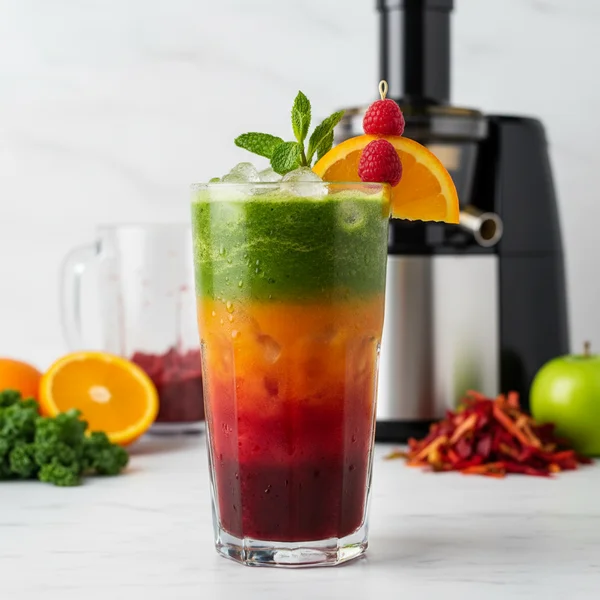
The flavor of raw juice is also significantly more vibrant than its processed counterparts. When you drink a juice made from raw kale, green apples, and ginger, you are tasting the exact essence of those plants. The liquid is bright, refreshing, and crisp. Many enthusiasts prefer to serve their creations over ice to maintain that “just-pressed” temperature, which helps to mask the earthiness of some denser root vegetables like beets or carrots. Because it is unrefined, the juice retains the natural pigments of the produce, offering a visual feast of deep greens, oranges, and purples that indicate a high antioxidant content.
How to Make Fresh Raw Juice at Home: A Step-by-Step Guide
Creating raw juice at home is a straightforward process, but it requires attention to detail to ensure you are maximizing the yield and maintaining the highest nutritional quality. You don’t necessarily need a thousand-dollar cold-press machine to get started; a standard centrifugal juicer or even a high-powered blender can do the job effectively.
1. Select and Prep Your Produce: Start with the freshest organic produce available. Since you are consuming the juice raw, you want to avoid pesticides. Wash everything thoroughly in a mixture of water and vinegar to remove surface residues. Chop the fruits and vegetables into sizes that fit your equipment’s chute.
2. The Extraction Process: If using a juicer, feed the produce through slowly. If you are using a blender, add a small amount of water or coconut water to help the blades move. Once the mixture is a smooth puree, pour it through a fine-mesh nut milk bag or cheesecloth to strain out the pulp, leaving you with pure, silky raw juice.
3. Temperature Control: Heat is the enemy of raw juice. If your blender or juicer runs for too long, it can warm up the liquid. To counter this, many people add a handful of ice to the blender or chill their produce in the refrigerator before starting.
4. Final Touches and Service: Once the juice is extracted, give it a quick stir. For a professional touch, add a garnish such as a sprig of fresh mint, a slice of cucumber, or a wedge of lime on the rim of the glass. Serving the juice chilled is essential for the best flavor profile.
5. Immediate Consumption: Ideally, you should drink the juice within 15 to 20 minutes of extraction. If you must wait, store it in an airtight glass container, filling it to the very top to minimize oxygen exposure, which causes oxidation.
Important Considerations and Safety Practices
While raw juice is a nutritional powerhouse, there are several factors to keep in mind regarding safety and health. Because the juice is not pasteurized, it can harbor harmful bacteria like E. coli or Salmonella if the produce is not washed correctly or if the equipment is not kept meticulously clean. This is why commercial raw juices often have a very short “use by” date, usually only 3 to 5 days.
Another consideration is the sugar content. When you remove the fiber from fruit, the natural sugars (fructose) are absorbed much faster into the bloodstream, which can cause a spike in insulin levels. To keep your raw juice healthy, experts recommend a ratio of roughly 80% vegetables to 20% fruit. Using base vegetables like celery or cucumber provides a high volume of hydrating liquid without the heavy sugar load of apples or oranges.
If you find yourself with an excess of juice that you cannot finish within 48 hours, consider keeping it frozen. You can pour the juice into silicone molds to create frozen juice pops or ice cubes that can be added to future smoothies. This prevents waste and preserves the nutrients better than leaving the juice in the refrigerator where it will quickly lose its enzymatic potency. Finally, individuals with compromised immune systems, the elderly, or pregnant women should consult a healthcare provider before adding unpasteurized raw juices to their regular diet due to the potential risk of foodborne illness.
- Enhance the Flavor: Always include a small amount of citrus like lemon or lime; the acidity acts as a natural preservative and brightens the flavor of leafy greens.
- Don’t Waste the Pulp: The leftover fiber from your juicer can be used in compost, or even mixed into muffin batters and veggie burger patties for extra texture.
- Perfect Presentation: Use a citrus peel or herb garnish to make your drink feel like a luxury experience, which encourages slow, mindful sipping.
- Stay Hydrated: Raw juice is excellent, but it shouldn’t replace plain water; use it as a supplement to your hydrating routine.
Conclusion
Raw juice is more than just a beverage; it is a concentrated burst of plant-based vitality. By choosing raw over pasteurized versions, you ensure that your body receives the maximum benefit of live enzymes and unaltered vitamins. Whether you use a professional cold-press machine or a simple home blender, the key to the perfect raw juice lies in the freshness of the ingredients and the speed of consumption. When served chilled over ice and enjoyed immediately, it provides a refreshing and hydrating boost that can significantly enhance a balanced, health-conscious lifestyle.
❓ Frequently Asked Questions
1
How long does raw juice last in fridge?
Raw juice is best consumed immediately but can last up to 24-48 hours in the refrigerator when stored in an airtight glass container. Because it is unpasteurized, bacteria can grow quickly, and nutrients begin to oxidize the moment the juice is exposed to air and light.


2
Can I make raw juice ahead of time?
While you can make raw juice up to a day in advance, it is not recommended for long-term storage. To keep it fresh, fill your container to the very top to minimize oxygen exposure. Freshly made juice provides the most refreshing and hydrating benefits when consumed right away.
3
What can I substitute for a juicer?
If you do not own a specialized juicer, you can use a high-speed blender to create raw juice. Simply blend your produce with a little water or ice, then pour the mixture through a fine-mesh strainer or cheesecloth to remove the pulp, leaving behind a smooth beverage.
4
How do I know when raw juice is done?
Raw juice is ready as soon as the liquid has been fully extracted from the pulp. It should have a vibrant color and a thin, liquid consistency. If using a blender, ensure there are no large chunks remaining before straining. Add a garnish like mint for extra flair.
5
Can I freeze raw juice?
Yes, you can freeze raw juice to extend its shelf life for up to three months. Pour the juice into freezer-safe glass jars or ice cube trays, leaving space at the top for expansion. Thaw it in the refrigerator overnight and shake well before drinking to recombine ingredients.