
What is a Centrifugal Juicer? Complete Guide
A centrifugal juicer is a high-speed kitchen appliance designed to extract liquid from fruits and vegetables using a rapidly spinning metal blade. It operates by shredding produce against a mesh filter at high speeds, utilizing centrifugal force to separate the juice from the pulp. This type of juicer is prized for its speed, ease of use, and ability to produce refreshing, hydrating beverages in a matter of seconds, making it the most popular choice for home enthusiasts.
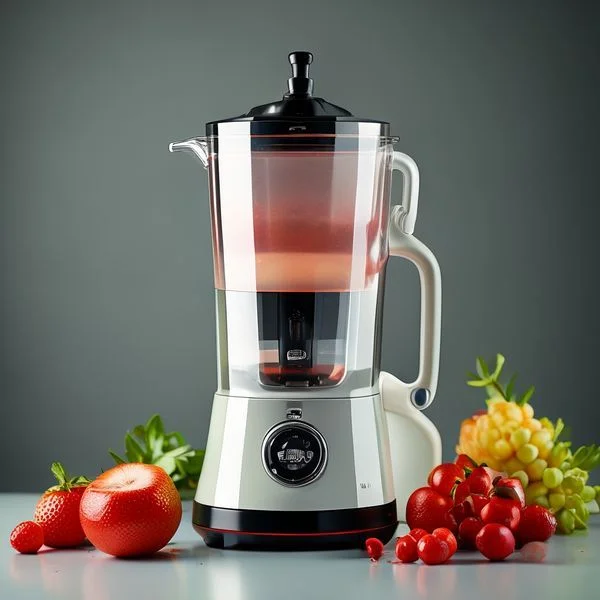
Understanding the Mechanics of Centrifugal Juicing
To truly understand what a centrifugal juicer is, one must look at the physics behind the machine. Unlike a slow-moving masticating juicer or a standard kitchen blender, a centrifugal model relies on velocity. At the heart of the machine is a flat, circular cutting disc lined with tiny, sharp teeth. When you drop a carrot or an apple into the wide feed chute, this disc spins at incredible speeds—often ranging from 3,000 to 15,000 rotations per minute (RPM).
As the produce hits the spinning disc, it is instantly pulverized into a fine mash. The real magic happens next: the centrifugal force (the same force that pushes you against the side of a car during a sharp turn) flings this mash against a surrounding fine-mesh strainer. The liquid juice is forced through the tiny holes of the mesh, while the solid pulp is diverted into a separate collection bin. The result is a thin, crisp liquid that is incredibly refreshing and perfect for immediate consumption.
Because the process is so fast, these machines are ideal for busy mornings. While a blender keeps all the fiber and creates a thick smoothie, the centrifugal juicer removes the bulk, leaving you with a highly concentrated, hydrating liquid full of vitamins and minerals. It is particularly effective for hard fruits and vegetables like apples, pears, cucumbers, and root vegetables. However, because the juice is aerated during the high-speed spinning process, it is best enjoyed chilled and fresh to prevent the rapid oxidation that can occur when juice is left to sit.
How to Use a Centrifugal Juicer: A Step-by-Step Guide
Using a centrifugal juicer is straightforward, but following a specific process ensures you get the highest yield and the best flavor from your produce. If you want a drink that feels truly refreshing, preparation and technique are key.
1. Prep Your Produce: Wash all fruits and vegetables thoroughly. One of the biggest advantages of a centrifugal juicer is the wide feed chute, which often allows you to juice whole apples or large chunks of cucumber without extensive chopping. However, you should remove large pits (like those in peaches) or thick, bitter rinds (like those on citrus) before starting.
2. Temperature Check: For the best results, use chilled produce directly from the refrigerator. Cold produce yields a more stable juice that stays refreshing longer. Avoid using frozen fruits in these machines, as the ice-hard texture can damage the high-speed blades; save the frozen items for your blender instead.
3. The Juicing Process: Turn the machine on before inserting any food. Once it reaches full speed, drop your ingredients into the chute. Use the provided plunger to gently push the produce down. Do not force it; let the spinning blade do the work.
4. Collect and Serve: The juice will flow from the spout into your pitcher or glass. To enhance the experience, serve the juice over a few cubes of ice. The ice keeps the enzymes stable and provides that crisp, chilled mouthfeel.
5. Garnish and Enjoy: Once the juice is extracted, add a garnish like a sprig of mint, a slice of lime, or a dash of ginger to elevate the flavor profile. Drink it immediately for maximum hydrating benefits.
6. Immediate Cleanup: This is the most important step. The pulp in a centrifugal juicer dries quickly and can become like cement in the mesh filter. Disassemble the machine and rinse the parts under warm water as soon as you are finished.
Important Considerations and Best Practices
While centrifugal juicers are efficient, there are specific factors to keep in mind to ensure you get the most out of your investment. First, consider the noise level. Because these machines operate at such high RPMs, they can be quite loud—similar to a high-powered blender. If you live in a small apartment or have early-rising family members, this might be a factor to weigh.
Another consideration is the types of produce you plan to juice. Centrifugal models excel at “juicy” and hard produce. They are fantastic for making hydrating watermelon juice or crisp celery juice. However, they struggle with leafy greens like spinach or kale. Because the greens are so light, the spinning disc often flings them into the pulp bin before much juice can be extracted. If you love green juices, you may need to bundle your greens tightly between harder items like apple slices to get a better yield.
Temperature management is also vital. The high-speed friction of the blades can chilled and consider adding a squeeze of lemon; the vitamin C acts as a natural antioxidant to keep the juice vibrant. Finally, remember that centrifugal juice separates faster than masticated juice. If you see a layer of froth on top, simply stir it back in or skim it off if you prefer a clearer beverage.
- Don’t Juicer Frozen Fruit: Never put frozen berries or chunks in a centrifugal juicer; it can bend the mesh filter. Use a blender for frozen treats instead.
- Layer for Yield: When juicing herbs, sandwich them between two halves of a watery fruit like a pear to help the juice extract more effectively.
- Cool the Glass: Serve your juice in a pre-chilled glass with extra ice and a citrus garnish for a professional, refreshing presentation.
- Pulp Power: Don’t throw the pulp away! It can be used in compost or even in baking recipes like carrot muffins.
Conclusion
In summary, a centrifugal juicer is an excellent entry-point for anyone looking to incorporate more hydrating, fresh produce into their diet. Its speed and simplicity make it a staple for creating refreshing beverages without the time commitment required by other juicing methods. While it may not be the best tool for frozen ingredients—which are better suited for a blender—it remains the king of convenience for hard fruits and vegetables. By serving your creations chilled with a beautiful garnish, you can enjoy high-quality, nutritious juice right in your own kitchen.
❓ Frequently Asked Questions
1
How long does juice last in the fridge?
Juice from a centrifugal machine is best enjoyed within 24 hours. Because the high-speed spinning introduces oxygen, the liquid oxidizes faster than other methods. To keep it hydrating and refreshing, store it in an airtight glass jar and fill it to the brim to minimize air exposure.


2
Can I make juice ahead of time?
You can prep your juice the night before, but it may lose some vibrant flavor. For the best experience, juice your ingredients fresh each morning. If you are in a rush, storing it with a slice of lemon can help preserve the color and taste before serving over ice.
3
What can I substitute for a juicer?
If you do not have a juicer, you can use a high-speed blender. Simply blend your fruits and vegetables with a splash of water, then pour the mixture through a fine mesh strainer or nut milk bag to remove the pulp. This creates a similarly hydrating and refreshing beverage.
4
How do I know when the juice is done?
The process is incredibly fast, usually taking only seconds per item. You will know it is done when the liquid stops flowing from the spout and the pulp is ejected into the side container. Once the motor winds down, your drink is ready for a quick stir and garnish.
5
Can I freeze fresh juice?
Yes, you can freeze fresh juice in airtight containers or ice cube trays for up to three months. This is a great way to preserve a large harvest. When you are ready to drink, thaw it in the fridge; it remains a hydrating and healthy option for your daily routine.
