Juice Bar Menu Ideas: Refreshing & Healthy
The juice bar industry has evolved from a niche health trend into a multi-billion dollar cornerstone of the modern wellness lifestyle. Creating a menu that resonates with health-conscious consumers requires more than just mixing fruit; it demands a strategic blend of nutrition, flavor profiles, and visual storytelling. Whether you are launching a new startup or refreshing an existing brand, your juice bar menu ideas must balance classic favorites with innovative, functional ingredients that cater to specific dietary goals. From detoxifying greens to protein-packed smoothies, the right selection can transform a simple beverage into a daily ritual for your customers.
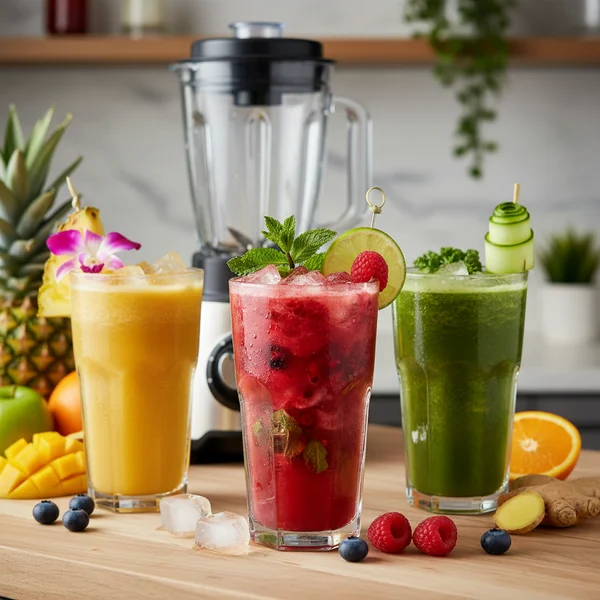
A successful juice bar menu thrives on a balance of “approachable” flavors for beginners and “functional” blends for enthusiasts, all while maintaining high margins through ingredient cross-utilization.
The Foundation: Essential Cold-Pressed Juices
Cold-pressed juices are the heart of any reputable juice bar. Unlike traditional centrifugal juicing, the cold-press method preserves live enzymes and nutrients, offering a hydrating experience that customers can truly feel. When developing your menu, categorize your juices by their primary benefit to help customers make quick decisions based on their needs.
A “Green” category is non-negotiable. This should include a beginner-friendly option, such as a blend of kale, green apple, cucumber, and lemon, which offers a refreshing and crisp taste. For the hardcore health enthusiast, a “deep green” juice featuring parsley, celery, spinach, and ginger provides a potent, low-sugar alternative. These drinks are naturally hydrating and serve as the perfect morning pick-me-up.
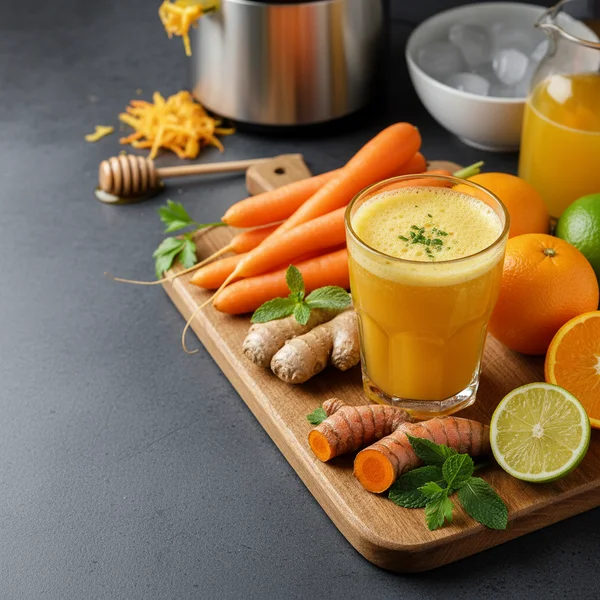
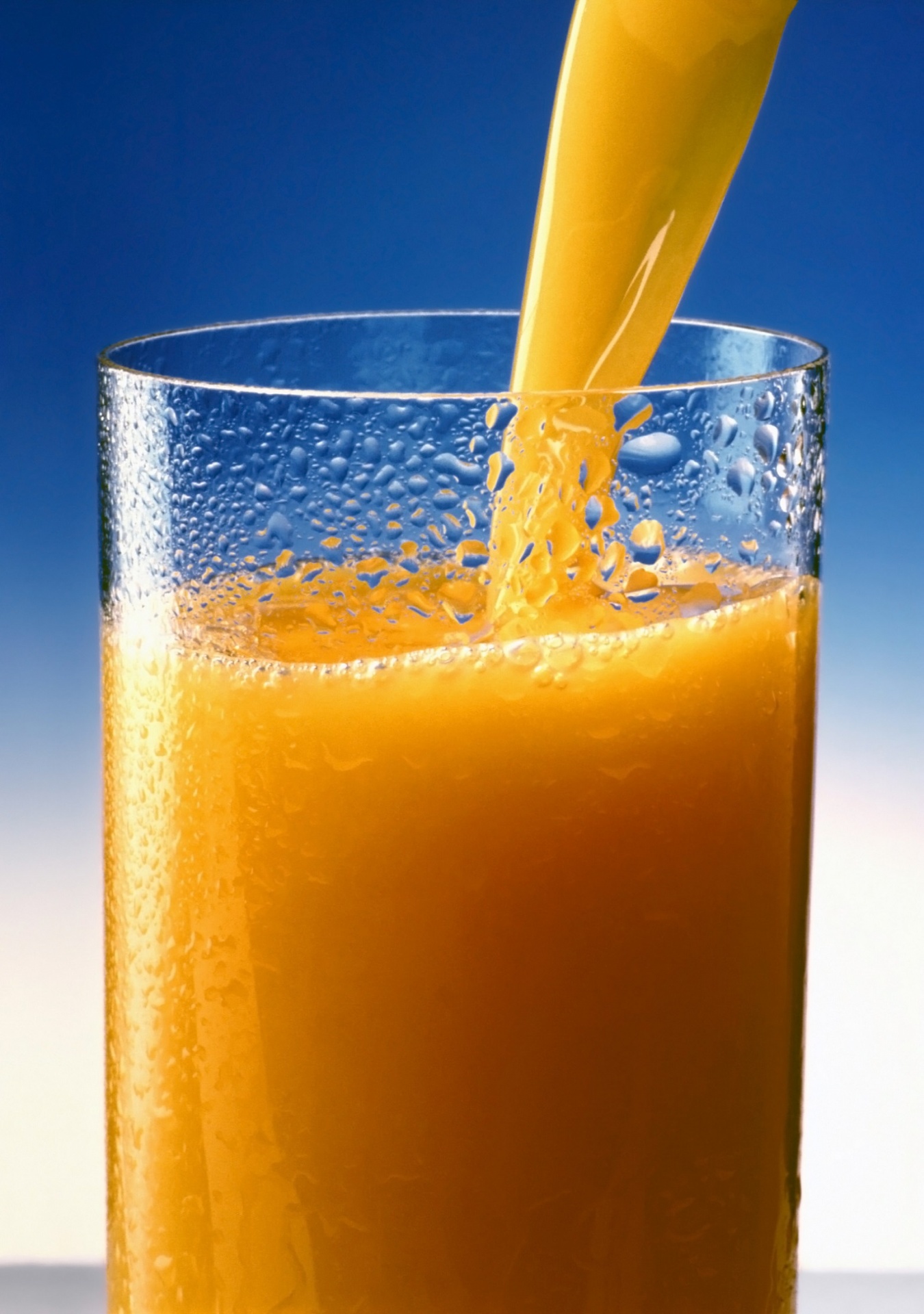
Citrus-based juices are another staple. A blend of orange, carrot, and turmeric not only provides a vibrant aesthetic but also offers anti-inflammatory benefits. To ensure these stay chilled without diluting the nutrient density, always store your produce in a refrigerated environment before pressing. The goal is to provide a drink that feels alive and energizing from the first sip to the last.
Smoothies and Frozen Blends: Texture and Satiety
While juices focus on hydration and rapid nutrient absorption, smoothies provide the satiety that turns a drink into a meal replacement. This is where your high-speed blender becomes the most important tool in the shop. The key to a premium smoothie is achieving a creamy, velvet-like texture without using excessive amounts of ice.
Using frozen fruits like bananas, mangoes, or berries acts as both the flavor base and the cooling agent, ensuring the drink remains thick and chilled. Consider a “Protein Power” section featuring ingredients like almond butter, pea protein, and flax seeds. For a more tropical approach, a “Sunset Blend” using frozen pineapple, coconut milk, and a hint of lime creates a refreshing escape for the palate.
To add value, offer “superfood add-ons” such as spirulina, maca powder, or collagen. These additions allow customers to customize their orders while increasing your average transaction value. When using a blender, the order of ingredients matters: liquids first, followed by powders, fresh produce, and finally frozen items to ensure a smooth, consistent blend every time.
Functional Wellness Shots and Elixirs
Wellness shots are the ultimate high-margin items for any juice bar. These concentrated doses of nutrients are designed for quick consumption and targeted benefits. Because they are small, you can experiment with intense flavors that might be overwhelming in a full-sized juice.
A classic ginger and lemon shot is a fan favorite for digestion and immunity. To take it further, consider a “Metabolic Kick” shot featuring apple cider vinegar, cayenne pepper, and honey. These elixirs are best served chilled in glass reusable or compostable cups. Another trending option is the “Blue Majik” elixir, using E3Live spirulina for a stunning cobalt color that is highly Instagrammable.
Functional elixirs can also bridge the gap between juice and tea. Ingredients like elderberry, medicinal mushrooms (Lion’s Mane or Reishi), and adaptogens like Ashwagandha can be incorporated into refreshing lemonade-style bases. This segment of the menu appeals to the “biohacker” demographic looking for specific cognitive or physical performance boosts.
Seasonal Specialties and Aesthetic Garnishing
To keep your menu from becoming stagnant, introduce seasonal rotations that capitalize on peak produce. In the summer, focus on high-water content fruits like watermelon and cantaloupe for maximum hydrating properties. In the winter, lean into root vegetables, cranberries, and warming spices like cinnamon and cloves.
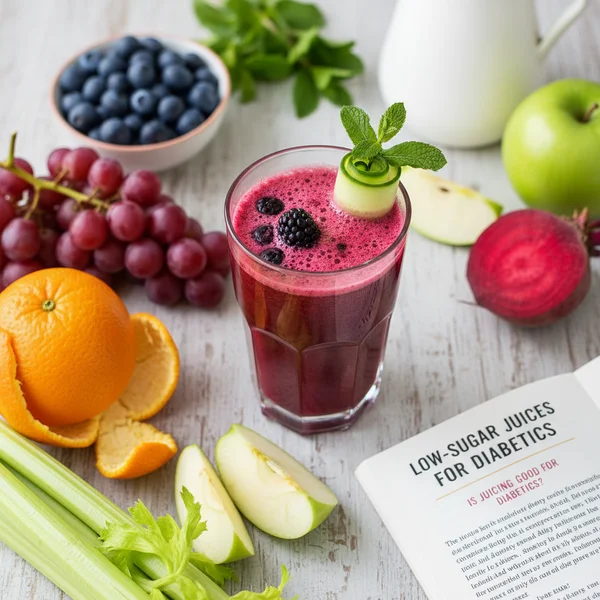
The visual appeal of your beverages is just as important as the taste. This is where the garnish comes into play. A simple sprig of mint, a thin slice of dehydrated dragon fruit, or a dusting of hemp seeds can elevate a standard drink into a premium experience. For chilled beverages served in-house, using clear glassware allows the vibrant natural colors of the produce to shine.
Consider the following table for garnish and pairing ideas:
| Drink Type | Recommended Garnish | Flavor Benefit |
|---|---|---|
| Green Juice | Thin cucumber ribbon | Adds a crisp, clean finish |
| Berry Smoothie | Fresh basil leaf | Cuts through sweetness with herbal notes |
| Citrus Blend | Chili powder rim | Provides a spicy, energizing kick |
| Tropical Smoothie | Toasted coconut flakes | Adds essential crunch and aroma |
Optimizing the Menu for Operational Efficiency
A creative menu is only effective if it can be executed consistently during a morning rush. To maintain speed, organize your menu based on the equipment used. Group all blender-based drinks together and all juice-based drinks together. This allows staff to stay in their designated stations, reducing cross-traffic behind the counter.
Cross-utilization of ingredients is the secret to profitability. If you use kale in your signature green juice, ensure it also features in a smoothie or a breakfast bowl. This reduces food waste and simplifies your ordering process. Furthermore, keep ice production high and accessible; while frozen fruit provides the base, a small amount of ice can help achieve the perfect chilled temperature without costing anything in terms of inventory.
Lastly, consider the “grab-and-go” factor. Bottling a portion of your most popular cold-pressed juices daily allows customers in a hurry to pick up a refreshing drink without waiting for the blender. This hybrid model of made-to-order and pre-bottled options maximizes revenue potential throughout the day.
Expert Tips for Juice Bar Success
When curating your menu, focus on the “Rule of Three”: every drink should have a primary base, a secondary flavor enhancer, and a functional “super” ingredient. This ensures the flavor profile is complex enough to justify a premium price point but simple enough for the palate to distinguish the fresh ingredients.
Professionals also recommend testing your recipes after they have sat for ten minutes. A juice might taste incredible when first pressed, but if it separates or changes color quickly, it won’t provide a good customer experience. Use natural stabilizers like citrus or a touch of honey to maintain the integrity of the blend. Finally, always calibrate your blender settings to ensure that frozen chunks are completely pulverized, leaving a silky finish that feels luxurious.
- Pre-portion your frozen smoothie ingredients into compostable bags to ensure consistency and speed during peak hours.
- Use a small amount of sea salt in chocolate or nut-based smoothies to enhance the natural sweetness without adding sugar.
- Always keep a backup of chilled purified water for your blender to help reach the desired consistency without diluting flavor.
Conclusion
Developing a stand-out selection of juice bar menu ideas requires a deep understanding of your target audience and a commitment to quality. By focusing on hydrating cold-pressed juices, creamy frozen smoothies, and targeted wellness shots, you can create a diverse menu that appeals to everyone from the casual gym-goer to the dedicated health enthusiast. Remember that presentation, from the garnish to the chilled temperature, is what transforms a simple beverage into a premium experience. Start by perfecting three signature recipes and expand your offerings as you discover what your community craves most.
❓ Frequently Asked Questions
1
How long does fresh juice last in fridge?
Freshly made juice is best consumed immediately to maximize nutrient density. However, you can store it in an airtight glass container for up to 24 to 48 hours. If the juice begins to change color significantly or smells sour, it is best to discard it and make a fresh batch.
2
Can I make juice bar blends ahead of time?
While fresh is always better, you can prep ingredients by portioning fruits and vegetables into freezer bags. When you are ready for a drink, simply dump the pre-measured ingredients into your blender with some liquid and ice for a quick and easy homemade beverage that tastes like a professional shop.
3
What can I substitute for a juicer?
If you do not own a professional juicer, a high-speed blender works perfectly. Simply blend your ingredients with a small amount of water or coconut water until smooth. For a pulp-free experience, pour the blended mixture through a fine-mesh nut milk bag or cheesecloth to extract the pure, refreshing juice.
4
How do I know if my juice is balanced?
A well-balanced juice should hit several flavor notes: sweet, tart, and earthy. If your blend is too bitter from greens, add half a green apple or a squeeze of lemon. If it is too sweet, add more cucumber or celery to increase the hydrating volume without adding extra sugar.
5
Can I freeze juice bar blends?
Yes, you can freeze these blends! Pour your fresh juice or smoothie into silicone ice cube trays. Once frozen, transfer the cubes to a freezer bag. You can pop these cubes back into a blender for a quick slushy or let them thaw slowly in a glass for a refreshing treat.