Liquid 1 oz Visual: Simple Measuring Guide
Understanding volume measurements is a fundamental skill that bridges the gap between culinary precision and nutritional tracking. Whether you are perfecting a complex recipe or trying to monitor your daily intake, having a reliable liquid 1 oz visual in your mind is essential. One fluid ounce is the gold standard for portioning everything from high-quality oils and salad dressings to spirits in mixology. In this comprehensive guide, we will explore exactly what one ounce looks like using common household items, explain how it impacts your calories and servings, and provide clear instructions for measuring liquids accurately when you are caught without a scale or measuring cup.
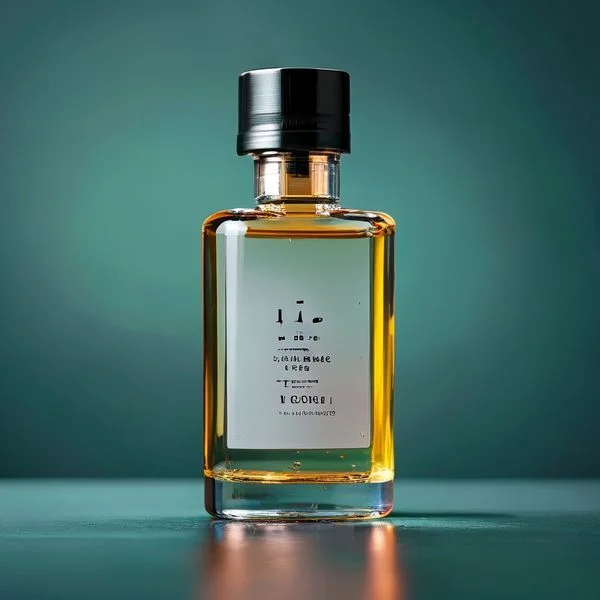
A liquid 1 oz visual is roughly equivalent to two standard tablespoons or the size of a golf ball, serving as a vital reference point for accurate recipe execution and calorie management.
Visualizing One Ounce with Household Objects
When you are in the middle of a busy kitchen, you may not always have the time to hunt for a specific measuring tool. Developing a liquid 1 oz visual allows you to maintain the integrity of your ingredients without slowing down your workflow. The most common reference for a fluid ounce is a standard shot glass. While some novelty shot glasses vary in size, a traditional culinary shot glass is exactly 1.5 ounces, meaning a one-ounce pour fills it about two-thirds of the way.
Another helpful comparison is the golf ball. If you were to imagine a spherical volume of liquid, a golf ball is almost exactly the same size as one fluid ounce. This visual is particularly useful when pouring thicker liquids like honey or maple syrup. If the dollop of syrup on your plate looks like it could comfortably fit inside the shell of a golf ball, you have likely poured exactly one ounce.
For those who prefer kitchen-specific tools, the tablespoon is your best friend. In the United States, two level tablespoons equal one fluid ounce. If you can visualize the volume of two tablespoons of water or oil, you have successfully mastered the liquid 1 oz visual. This is especially helpful when preparing a recipe that calls for precise ratios, such as a vinaigrette or a marinade, where the balance of acid and fat is crucial for the final flavor profile.
The Role of One Ounce in Recipe Precision
Precision is the hallmark of a great cook, and many professional chefs rely on the “ounce” as their primary unit of measurement for liquid ingredients. When you look at the instructions for a classic emulsion, such as a Caesar dressing or a mayonnaise, the timing of adding each ounce of oil can determine whether the sauce breaks or binds. In this context, the liquid 1 oz visual helps you gauge the steady stream of oil required to create a smooth texture.
Consider the following breakdown of how a single ounce fits into a standard preparation routine:
| Liquid Type | Visual Reference | Standard Measurement |
|---|---|---|
| Water/Thin Liquids | Half a standard lime | 2 Tablespoons |
| Oils/Syrups | Size of a golf ball | 30 Milliliters |
| Dairy/Creams | Small medicine cup | 1/8 Cup |
By mastering these visuals, your prep time becomes much more efficient. You no longer need to wash five different measuring spoons for a single meal. Instead, you can confidently pour your ingredients directly into the bowl, knowing that your liquid 1 oz visual is calibrated to professional standards. This speed and confidence are what separate an amateur cook from an experienced home chef.
Impact on Calories and Servings Control
Understanding the volume of an ounce is not just about taste; it is also a vital component of nutritional health. Many people underestimate the calories contained in small amounts of liquid ingredients. For example, one fluid ounce of olive oil contains approximately 240 calories. If your liquid 1 oz visual is off by even half an ounce, you could be inadvertently adding an extra 120 calories to your meal.
When a recipe lists its servings, the nutritional facts are usually based on precise measurements. If a salad recipe says it makes four servings and calls for four ounces of dressing, you know that each serving should receive exactly one ounce. Without a clear visual of what that ounce looks like, it is easy to over-pour, leading to an imbalance in flavor and an unexpected increase in caloric density.
In the world of mixology and beverage prep, the one-ounce pour is equally critical. Most standard cocktails are built around a base of 1.5 to 2 ounces of spirits. If you are tracking your intake, knowing the liquid 1 oz visual for your favorite drink allows you to enjoy your beverages responsibly while staying within your dietary goals. It turns the guesswork of “eyeballing it” into a science that supports your long-term health.
Practical Instructions for Measuring Without Tools
If you find yourself in a situation where you have no measuring tools at all, you can use your own hands as a guide for your liquid 1 oz visual. While hand sizes vary, for the average adult, a cupped palm holds approximately one to two ounces of liquid. Specifically, if you fill the deepest “well” of your palm without letting the liquid overflow the edges of your hand, you are likely holding very close to one fluid ounce.
Another method involves using a standard water bottle cap. While caps vary by brand, most standard 16.9 oz plastic water bottle caps hold about 5 to 7 milliliters. This means it would take roughly five to six capfuls to reach one fluid ounce. While this isn’t the fastest method, it provides a reliable fallback when precision is required for medicinal ingredients or concentrated flavors where a small mistake could ruin the entire dish.
When following recipe instructions that require a specific cooking time, the volume of liquid often dictates how long the heat should be applied. For instance, reducing one ounce of balsamic glaze will take significantly less time than reducing three ounces. By having a firm grasp on the initial volume via a liquid 1 oz visual, you can better predict your cooking time and avoid burning your reduction.
Expert Tips for Measurement Mastery
Experts in the culinary field recommend practicing your pours with water before moving on to expensive ingredients. Take a standard shot glass or a measuring spoon and fill it with one ounce of water. Pour that water into a clear glass and observe the height. Repeat this process with different shaped containers—a wide bowl, a narrow mug, and a shallow plate. This exercise trains your brain to recognize the liquid 1 oz visual regardless of the vessel’s shape.
Additionally, remember that “fluid ounces” and “ounces by weight” are not the same thing. While one fluid ounce of water happens to weigh roughly one ounce, denser liquids like honey or molasses will weigh more even though they occupy the same 1 oz volume visual. Always ensure your recipe is asking for volume before relying on these visual cues.
- Use a standard ice cube tray as a reference; one typical ice cube slot usually holds exactly one fluid ounce.
- When pouring into a spoon, remember that liquid surface tension creates a “dome” effect—a true ounce is two level tablespoons, not overflowing ones.
- Always check if your shot glass is a “pony shot” (1 oz) or a “standard shot” (1.5 oz) before using it as your primary visual anchor.
Conclusion
Developing a consistent liquid 1 oz visual is a transformative skill for anyone who spends time in the kitchen or tracks their nutritional intake. By using everyday objects like golf balls and tablespoons as mental anchors, you can ensure your ingredients are perfectly balanced, your calories are accounted for, and your servings are consistent. While digital scales and measuring cups will always provide the highest level of accuracy, the ability to eyeball an ounce with confidence saves time and builds culinary intuition. Start practicing your visual pours today to bring professional-level precision to every meal you prepare.
❓ Frequently Asked Questions
1
How long does liquid stay fresh in measuring cups?
If your recipe calls for pre-measuring, remember that liquids like dairy or juice shouldn’t sit out for more than two hours. For water, the prep time doesn’t impact safety, but always follow instructions for perishable ingredients to ensure your final dish remains fresh and safe to consume.

2
Can I use weight for liquid 1 oz visual?
While one ounce of water weighs approximately one ounce, this isn’t true for all ingredients. Denser liquids like honey or oil will weigh more even if the volume looks the same. For the best cooking results, stick to volume-based visual cues rather than relying solely on a kitchen scale.
3
What can I substitute for a measuring spoon?
If you are following a recipe and lack a tablespoon, a standard medicine cap often measures exactly 1 oz. Alternatively, a standard-sized shot glass filled about two-thirds of the way serves as a reliable visual substitute. This ensures you maintain the correct ratio without specialized equipment.
4
How do I know when 1 oz is exact?
To ensure your instructions are followed perfectly, place your container on a flat surface. Squat down so your eyes are level with the liquid’s surface. The bottom of the curve, or meniscus, should align with your visual 1 oz marker to ensure your cooking time and chemistry remain consistent.
5
Can I freeze liquids in 1 oz portions?
Yes, freezing liquids in 1 oz portions is a great way to preserve ingredients like lemon juice or broth. Most standard ice cube trays hold approximately 1 ounce per cube. Once frozen, these pre-measured portions save you significant prep time when you need a quick burst of flavor.