
Is Miso Soup Good When Sick? Best Healing Guide
Yes, miso soup is an exceptional choice when you are sick. This traditional Japanese staple is packed with probiotics for gut health, essential minerals like manganese and zinc, and electrolytes that aid in hydration. Because it is a light, water-based broth rather than a heavy, creamy soup, it is gentle on the stomach. The fermented soybean paste provides easy-to-digest protein, helping your body maintain strength while fighting off infection or seasonal viruses.

Why Miso Soup is the Ultimate Recovery Food
When your body is fighting off a cold, flu, or digestive upset, the food you consume serves as both fuel and medicine. Miso soup has been used for centuries in Eastern medicine as a restorative tonic, and modern science supports many of these traditional claims. Unlike hearty stews that might feel too heavy for a compromised digestive system, miso provides a profile of nutrients that are specifically beneficial during recovery.
The primary benefit of miso soup lies in its fermentation. Miso is a paste made from fermented soybeans, often mixed with grains like rice or barley and a specific mold culture called koji. This fermentation process produces live active cultures, similar to those found in yogurt. These probiotics are essential for maintaining a healthy microbiome, which is the front line of your immune system. By supporting your gut health, you are indirectly boosting your body’s ability to fight off pathogens.
Furthermore, miso soup is highly effective at managing dehydration. When you have a fever or respiratory issues, your body loses fluids and essential salts. Miso is naturally high in sodium, which, while often viewed negatively in a standard diet, is actually beneficial when you need to replenish electrolytes. It encourages the body to retain water, preventing the fatigue and headaches associated with mild dehydration. The liquid base, typically a stock known as dashi, provides a soothing warmth that can help clear nasal passages and soothe a scratchy throat.
Nutritional Profile and Immune Support
Beyond simple hydration, miso contains a surprising array of vitamins and minerals. It is a good source of copper, manganese, and vitamin K. More importantly for those under the weather, it contains zinc, a mineral well-known for its role in immune cell function. The protein found in the fermented soy is “predigested” by the fermentation process, meaning your body can absorb the amino acids with minimal metabolic effort. This is crucial when your energy needs to be directed toward healing rather than heavy digestion.
Is Miso Better Than Chicken Soup?
While chicken noodle soup is the classic Western comfort food for illness, miso soup offers a lighter alternative. While chicken soup relies on fats and proteins from meat, miso is plant-based and typically lower in calories and fat. It is an excellent option for those who may be experiencing nausea or an aversion to meat during their illness. However, both serve a similar
How to Prepare the Perfect Healing Miso Soup
Preparing miso soup is a process of simmering and careful timing. The most important rule to remember is that you should never boil the miso paste itself, as high heat kills the beneficial probiotics. Whether you are using a one-pot method on the stove or a slow cooker for a more hands-off approach, the technique remains consistent.
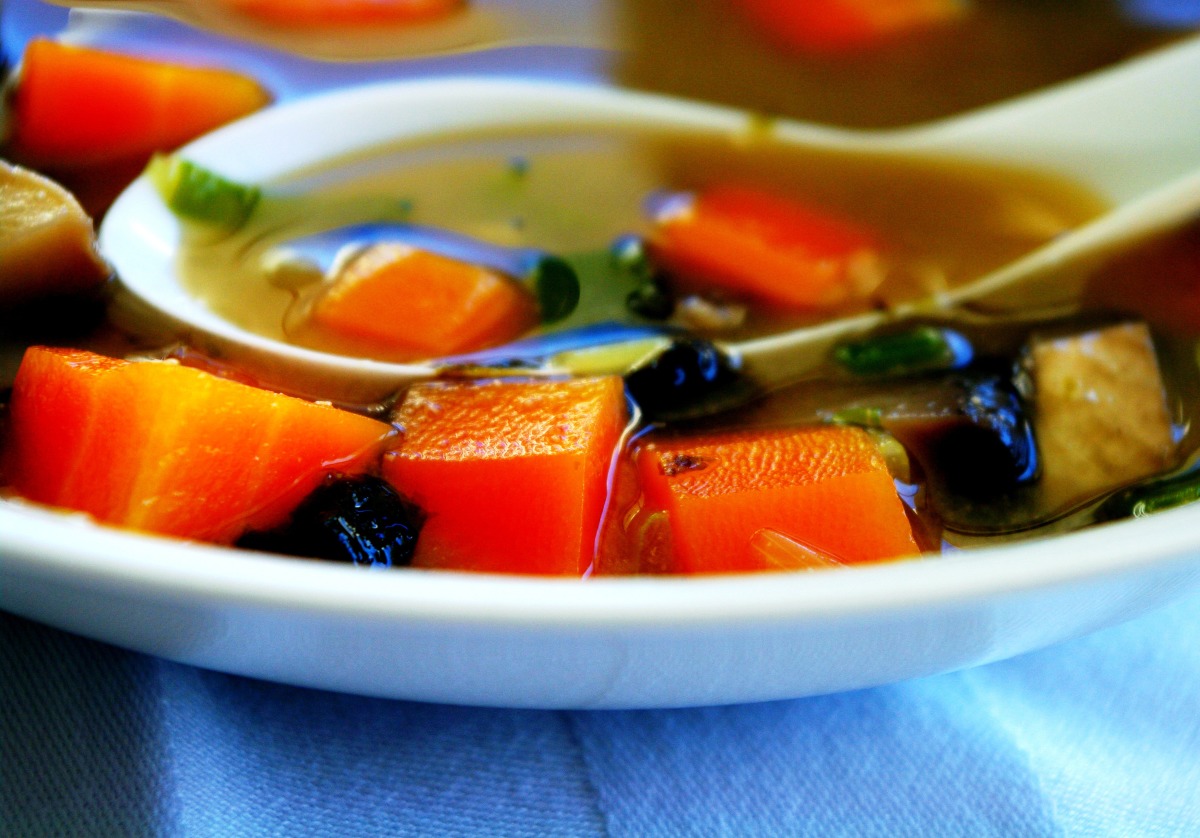
Step 1: Prepare the Base Stock
The foundation of any good miso soup is the stock, traditionally called dashi. You can make a simple dashi by simmering kombu (dried kelp) in water. For a more robust flavor, many people add bonito flakes (dried fish flakes). If you are looking for a quick version, you can use a high-quality vegetable or chicken broth. Bring your liquid to a gentle boil, then reduce the heat to a low simmer. This ensures the base is hot enough to cook any added vegetables but not so hot that it will damage the miso later.
Step 2: Add Hearty Aromatics and Vegetables
If your appetite allows, add small cubes of silken tofu, sliced scallions, or wakame (dried seaweed). If you want something more hearty, you can add thin slices of ginger, which is excellent for nausea, or crushed garlic for its antimicrobial properties. Let these ingredients simmer for 3 to 5 minutes until they are tender. Using a one-pot method makes cleanup easy, which is a major plus when you lack energy.
Step 3: The Miso Slurry Technique
This is the most critical step. Take a small ladle of the hot stock and place it in a separate small bowl. Add a tablespoon of miso paste to this liquid and whisk it until it forms a smooth, creamy slurry. This prevents the miso from forming clumps in your soup. Once smooth, turn off the heat on your stove entirely and pour the slurry back into the main pot.
Step 4: Modern Convenience Methods
If you are too tired to stand over a stove, you can use an instant pot. Simply use the “saute” function to warm your stock and vegetables, then turn the unit off before stirring in your miso slurry. Alternatively, for those who want a constant supply of warm broth throughout the day, a slow cooker on the “warm” setting can hold the prepared dashi, allowing you to add miso to individual bowls as needed. This keeps the comfort food ready whenever you feel a spark of hunger.

Important Considerations and Common Mistakes
While miso soup is generally very safe and beneficial, there are a few things to keep in mind to ensure you get the most out of your bowl. Following best practices will prevent you from accidentally negating the health benefits of this ancient dish.
Watch the Sodium Content
Because miso is made with salt as a preservative, it is naturally high in sodium. For most people suffering from a cold or flu, this salt helps with hydration. However, if you have high blood pressure or a heart condition that requires a low-sodium diet, you should look for “low-sodium” miso varieties or limit your intake to one small bowl per day. Always balance your soup intake with plenty of plain water to maintain a healthy internal balance.
Temperature Control is Key
The biggest mistake people make is boiling the miso paste. As mentioned earlier, the probiotics (live bacteria) are sensitive to extreme heat. If you boil the soup after adding the paste, you lose the gut-health benefits. Always add the miso at the very end of the cooking process after the heat has been turned off. The soup should be hot enough to be comforting, but not bubbling.
Choose the Right Type of Miso
There are several types of miso, ranging from white (Shiro) to red (Aka). White miso is fermented for a shorter period and has a milder, sweeter taste. Red miso is fermented longer and has a much stronger, saltier flavor. When you are sick, white or yellow miso is often preferred because it is less intense and easier on the palate. If you are dealing with a “heavy” cold and want something more hearty, red miso can provide a deeper, more satisfying savoriness.
- Add Ginger: If you are experiencing nausea or an upset stomach, grate a teaspoon of fresh ginger into your stock while it is simmering.
- Don’t Microwave: Avoid reheating your miso soup in the microwave on high power. Instead, warm it gently on the stove over low heat to preserve the probiotic content.
- Storage: Store miso paste in the refrigerator. It has a very long shelf life due to its high salt content and fermentation, making it a reliable pantry staple for “emergency” sickness.
- Boost Protein: If you can’t handle solid food, use a creamy silken tofu and blend it into the broth for a boost of protein that requires no chewing.
Conclusion
Miso soup is a powerhouse of nutrition that offers more than just warmth on a cold day. By providing a perfect balance of hydration, probiotics, and easy-to-digest nutrients, it stands as one of the best comfort foods for anyone feeling under the weather. Whether you choose a traditional simmering pot on the stove or utilize the convenience of an instant pot, the key is in the quality of the ingredients and the careful preservation of the live cultures. Next time you feel a tickle in your throat or a rumble in your stomach, reach for the miso paste and let this ancient remedy help speed your recovery.
❓ Frequently Asked Questions
1
How long does miso soup last in fridge?
Miso soup is best enjoyed fresh, but you can store it in an airtight container in the refrigerator for up to three days. When reheating, be careful to warm it gently over low heat without reaching a boil to protect the delicate flavor and beneficial live cultures.
2
Can I make miso soup ahead of time?
You can prepare the dashi stock and chop your vegetables ahead of time for quick assembly. However, it is best to wait until you are ready to serve before whisking in the miso paste, as the flavor and nutritional benefits are most potent when the soup is freshly made.
3
What can I substitute for dashi?
If you do not have dashi, you can use a high-quality vegetable or chicken stock as a base. While the flavor profile will change slightly, it will still provide the comforting, hearty warmth needed. For a different texture, some even try a creamy coconut milk base for richness.
4
How do I know when miso soup is done?
Miso soup is done once the seaweed has rehydrated and the tofu is heated through. The most critical step is ensuring the miso paste is fully dissolved into the simmering liquid. Once the soup is steaming and the ingredients are tender, it is ready to be served immediately.
5
Can I freeze miso soup?
Freezing is generally not recommended because the texture of the tofu and seaweed changes significantly after thawing. If you must freeze it, do so without the tofu. The broth will lose some of its aromatic qualities, making a fresh simmering pot a much better choice for recovery.