Is Potato Salad Unhealthy? The Healthy Truth
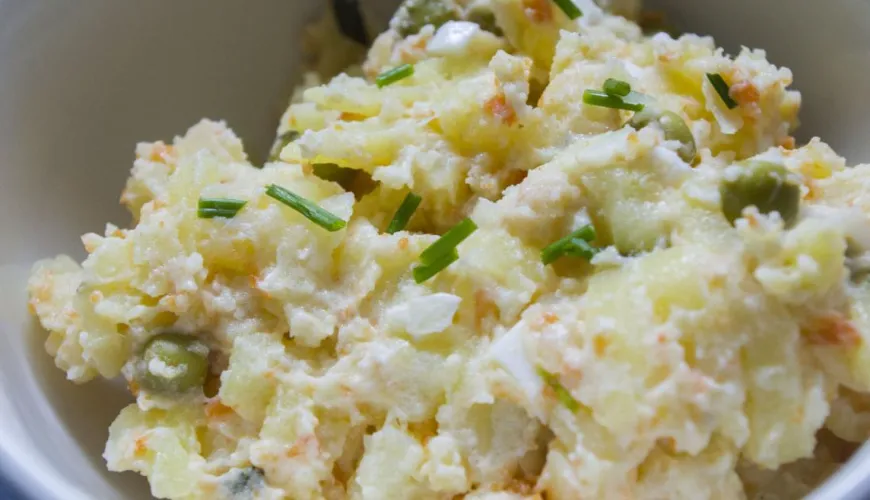
Potato salad is not inherently unhealthy, but its nutritional value depends heavily on the preparation and ingredients. Traditional versions made with excessive mayonnaise can be high in calories and saturated fats. However, when prepared with a light vinaigrette, fresh vegetables, and leafy greens, it becomes a nutrient-dense side dish. Potatoes themselves provide essential potassium, vitamin C, and resistant starch, which supports gut health when the potatoes are cooked and cooled before consumption.

Understanding the Nutritional Profile of Potato Salad
To determine if potato salad is healthy, we must first look at the foundation of the dish: the potato. Potatoes are often unfairly vilified in the world of nutrition. In reality, they are a powerhouse of complex carbohydrates, providing the body with sustained energy. They are naturally fat-free, cholesterol-free, and low in sodium. A single medium potato contains more potassium than a banana, which is crucial for maintaining healthy blood pressure levels. Furthermore, they are rich in Vitamin B6 and Vitamin C.
The “unhealthy” reputation of potato salad usually stems from the dressing. Classic American-style potato salad is often “tossed” in a heavy base of mayonnaise, which can significantly increase the calorie count and fat content of an otherwise healthy vegetable. A half-cup serving of traditional creamy potato salad can contain upwards of 150 to 200 calories, much of which comes from refined oils.
One of the most interesting scientific reasons to include potato salad in a healthy diet is the development of resistant starch. When potatoes are cooked and then allowed to cool—a standard step in making potato salad—the chemical structure of the starches changes. These cooled starches act more like fiber, resisting digestion in the small intestine and traveling to the large intestine where they feed beneficial gut bacteria. This process can improve insulin sensitivity and promote a feeling of fullness. By incorporating fresh vegetables like celery, red onions, and bell peppers, you increase the fiber content and antioxidant profile of the dish, making it a much more balanced component of a meal.
How to Make a Healthy Potato Salad: A Step-by-Step Guide
Creating a healthy version of this classic dish involves focusing on nutrient density and swapping out calorie-heavy binders for lighter, more flavorful alternatives. Follow these steps to prepare a potato salad that supports your wellness goals.
1. Select and Prep Your Potatoes: Choose waxy varieties like red bliss or Yukon Gold, as they hold their shape better when tossed. Leave the skins on during the boiling process. The skin contains a significant portion of the potato’s fiber and minerals. Boil them until just tender, but not mushy.
2. The Cooling Phase: Once boiled, drain the potatoes and let them cool completely. As mentioned, this is the essential step for developing resistant starch. For the best texture and health benefits, you might even consider refrigerating the cooked potatoes overnight before assembling the salad.
3. Prepare a Zesty Vinaigrette: Instead of reach for the mayo jar, whisk together a vinaigrette using extra virgin olive oil, apple cider vinegar or lemon juice, and Dijon mustard. This swap replaces saturated fats with heart-healthy monounsaturated fats and provides a bright, acidic flavor profile that cuts through the starchiness of the potatoes.
4. Incorporate Fresh Vegetables: Boost the volume of your salad without adding many calories by adding a variety of fresh vegetables. Diced cucumbers, radishes, and blanched green beans add a satisfying crunch and a boost of vitamins.
5. Fold in Leafy Greens: To turn the dish into a more comprehensive salad, serve the potato mixture over a bed of leafy greens like arugula, spinach, or kale. The bitterness of greens like arugula perfectly complements the earthy flavor of the potatoes.
6. Add Crunchy Toppings: Finish the dish with crunchy toppings that add texture and nutrition. Toasted sunflower seeds, pumpkin seeds, or chopped walnuts provide healthy fats and a delightful contrast to the soft potatoes. Fresh herbs like parsley, dill, or chives add micronutrients and vibrant color without extra sodium.
Important Considerations and Common Pitfalls
When evaluating if potato salad is healthy, one must consider the context of the entire meal. Even a healthy vinaigrette-based potato salad is still a source of carbohydrates. If you are serving it alongside other high-carb foods like corn on the cob or buns, the total glycemic load of the meal might be too high for some individuals, particularly those managing blood sugar levels.
A common mistake is using store-bought potato salads. These are frequently loaded with added sugars, high-fructose corn syrup, and preservatives to extend shelf life. Always check the ingredient label for hidden sugars and excessive sodium levels. Another consideration is food safety; while the potatoes themselves are stable, a dressing made with eggs or dairy (like mayo or sour cream) can become a breeding ground for bacteria if left out at room temperature during summer picnics.
If you are trying to lower the caloric density even further, consider a “half-and-half” approach. Replace half of the potatoes in your recipe with steamed cauliflower florets. Cauliflower mimics the texture of potatoes but has a fraction of the calories and carbs, allowing you to enjoy a larger portion of the salad while staying within your nutritional targets.
- Use Greek yogurt instead of mayonnaise if you still crave a creamy texture; it adds protein and probiotics.
- Add a tablespoon of nutritional yeast to your dressing for a cheesy flavor and a boost of B vitamins.
- Always season your potatoes with a little vinegar while they are still slightly warm; they will absorb the flavor better, requiring less salt later.
- Mix in various leafy greens to increase the volume of the salad without significantly increasing the calorie count.
Conclusion
In conclusion, the question of whether potato salad is unhealthy depends entirely on the “dressing” and the extra ingredients used. While the heavy, store-bought versions can be a source of empty calories, a homemade version can be a powerhouse of nutrition. By focusing on a light vinaigrette, adding plenty of fresh vegetables, and ensuring you include leafy greens, you transform a heavy side dish into a vibrant, healthy salad. When enjoyed in moderation, potato salad offers unique benefits like resistant starch and essential minerals, making it a worthy addition to a balanced, whole-food diet.
❓ Frequently Asked Questions
1
How long does potato salad last in fridge?
Potato salad typically lasts three to five days in the refrigerator when stored in an airtight container. If the salad contains mayonnaise or eggs, ensure it is chilled immediately. Discard any salad left at room temperature for more than two hours to maintain food safety and freshness.

2
Can I make potato salad ahead of time?
Yes, making potato salad ahead of time often improves the flavor. Preparing it 12 to 24 hours in advance allows the dressing to soak into the potatoes. However, if using leafy greens or delicate fresh vegetables, add those just before serving to ensure they stay crisp and vibrant.
3
What can I substitute for mayonnaise?
To make a healthier version, substitute mayonnaise with Greek yogurt, mashed avocado, or a light herb vinaigrette. These options reduce saturated fat while adding unique flavors. You can also use a bit of Dijon mustard to provide a creamy texture and tang without the extra calories of traditional dressings.
4
How do I know when the potatoes are done?
Potatoes are perfectly cooked when they are fork-tender but still hold their shape. Test them by piercing a cube with a fork; it should slide in easily without the potato crumbling. Avoid overcooking, as mushy potatoes will turn your tossed salad into mashed potatoes once the dressing is added.
5
Can I freeze potato salad?
Freezing potato salad is not recommended. The texture of cooked potatoes becomes grainy and watery upon thawing, and mayo-based or vinaigrette dressings often separate or change consistency. For the best experience, enjoy your salad fresh or store it in the refrigerator for only a few days to maintain quality.