Vegetable Juice Benefits Chart: Ultimate Healthy Guide
Incorporating nutrient-dense liquids into your daily routine is one of the most effective ways to bolster your immune system and increase your energy levels. However, with so many options available, it can be difficult to know which ingredients serve which health goals. This is where our comprehensive vegetable juice benefits chart becomes an essential tool for your wellness journey. This guide is designed to help you navigate the nutritional landscape of common garden vegetables, providing a clear roadmap of vitamins, minerals, and specific health outcomes. Whether you are using a professional-grade centrifugal juicer or a high-speed blender to create fiber-rich smoothies, the following information will ensure you are getting the most out of every glass. We have curated this data to highlight how different botanical families contribute to your overall health, from skin clarity to cardiovascular support.
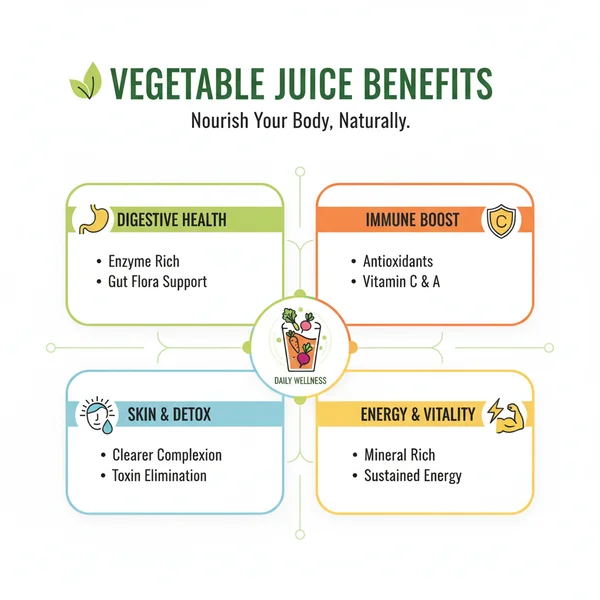
The “vegetable juice benefits chart” reveals that high-water content vegetables like cucumbers and celery are best for hydration, while dark pigments in beets and carrots indicate high antioxidant levels for blood and skin health. Using a blender to retain fiber enhances the metabolic benefits of these juices.
Vegetable Juice Benefits Chart: Nutritional Profiles and Best Uses
| Vegetable Ingredient | Primary Health Benefit | Key Nutrients | Preparation Style |
|---|---|---|---|
| Kale | Detoxification & Bone Health | Vitamin K, Vitamin A, Calcium | Blended with lemon to cut bitterness. |
| Carrot | Vision Support & Skin Glow | Beta-carotene, Biotin | Best served chilled with a touch of ginger. |
| Cucumber | Hydration & Cooling | Silica, Potassium, Magnesium | Pour over ice for a refreshing finish. |
| Beetroot | Stamina & Blood Flow | Nitrates, Folate, Manganese | Blend with frozen berries for texture. |
| Celery | Gut Health & Inflammation | Apigenin, Luteolin | Pure juice, served immediately after juicing. |
| Spinach | Iron Levels & Muscle Function | Iron, Magnesium, Folate | Blended into a refreshing green smoothie. |
| Tomato | Heart Health & Lycopene | Lycopene, Vitamin C, Potassium | Add a savory garnish like basil or pepper. |
| Bell Pepper | Immune System Boost | Vitamin C (higher than citrus) | Mix red peppers with frozen mango for sweetness. |
How to Use This Chart for Maximum Wellness
Utilizing the vegetable juice benefits chart requires more than just reading the data; it involves strategic application to your lifestyle. To start, identify your primary health concern. If you find yourself constantly fatigued or lacking focus, look at the “Stamina” and “Iron” rows, such as Beets and Spinach. For those focused on aesthetic goals like skin clarity, the Carrot and Cucumber rows will be your best allies. We recommend picking 2-3 vegetables from the chart to create a balanced base.
Practical application also involves understanding the equipment. If you use a high-speed blender, you will retain the dietary fiber, which slows down sugar absorption and keeps you full longer. However, if you prefer a light, refreshing beverage, a juicer that removes pulp is ideal. Always aim to consume your juice within 20 minutes of preparation to prevent nutrient oxidation. If you are preparing juices in advance, store them in airtight glass containers in a chilled environment. Adding a handful of ice during the blending process can also help keep the temperature low, protecting heat-sensitive enzymes and ensuring the drink remains hydrating and palatable throughout the morning.
Detailed Breakdown of Key Ingredients
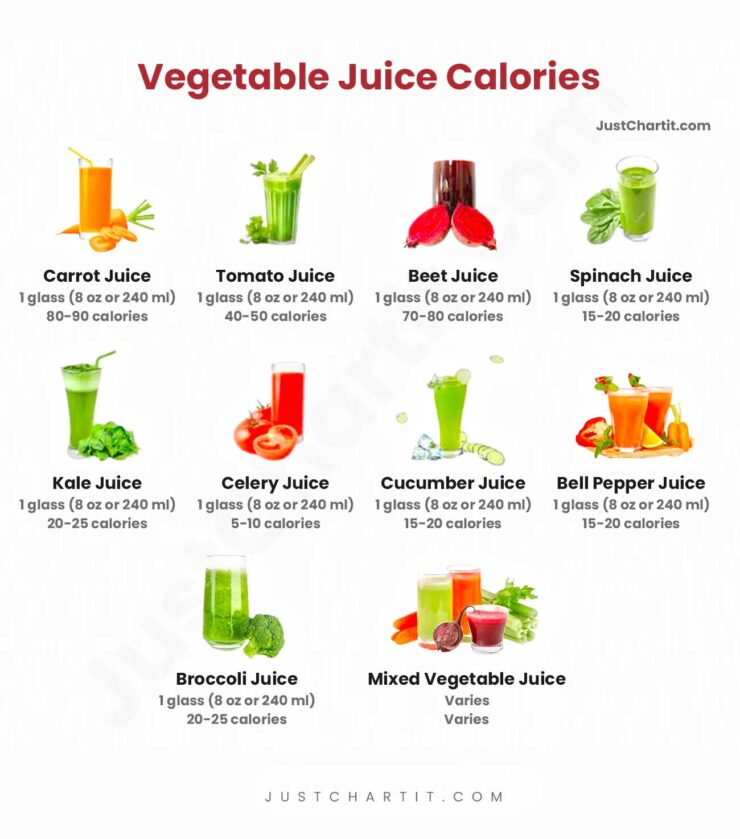
Each entry in the vegetable juice benefits chart serves a specific biological purpose. Let’s explore the science behind these choices. Kale and other leafy greens are rich in chlorophyll, which is molecularly similar to human hemoglobin, making them excellent for blood purification. When processed in a blender, the cell walls of the kale are broken down, releasing more bioavailable lutein and zeaxanthin, which protect your eyes from blue light damage.
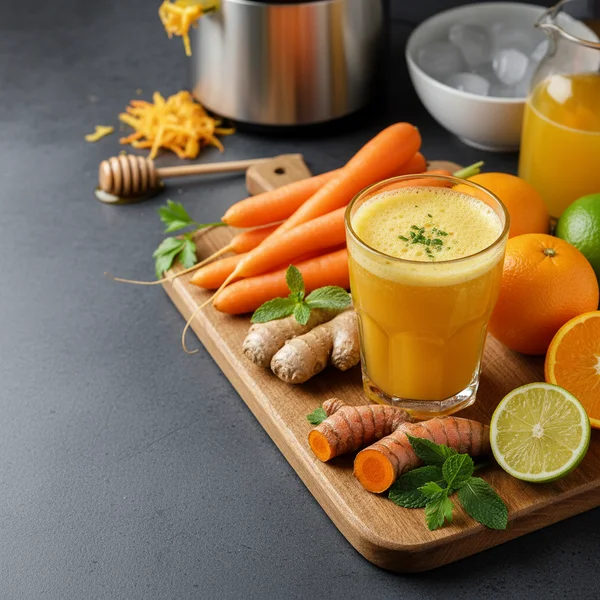
Carrots are perhaps the most popular juicing ingredient due to their natural sweetness and high concentration of beta-carotene. This antioxidant is converted into Vitamin A in the body, which is critical for skin cell turnover. To make carrot juice more refreshing, many enthusiasts blend it with a hint of turmeric or ginger. For an ultra-smooth texture, using frozen carrot coins can turn a standard juice into a thick, nutrient-dense frappe.
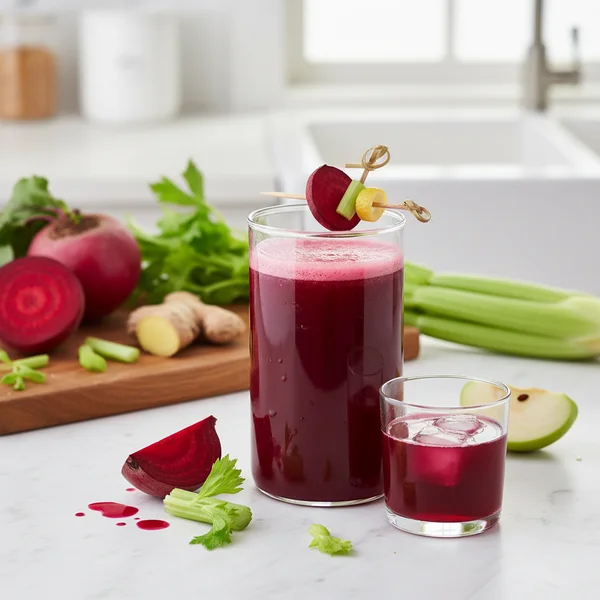
Beetroot juice has gained significant attention in the athletic community. The nitrates found in beets improve mitochondrial efficiency, allowing muscles to use oxygen more effectively. Because beet juice has an earthy flavor, it is often served chilled and mixed with apple or lemon to balance the pH. Many athletes drink this hydrating tonic two hours before a workout to maximize the “pump” and endurance levels.
Cucumber and Celery are the heavy hitters when it comes to hydration. Cucumber is nearly 96% water and contains silica, a trace mineral that strengthens connective tissue and improves hair and nail health. Celery juice, specifically when taken on an empty stomach, is touted for its ability to restore hydrochloric acid in the gut. For the best sensory experience, serve these juices over crushed ice and add a garnish of fresh mint or parsley to elevate the flavor profile without adding calories.
Finally, Tomatoes and Bell Peppers offer a savory alternative to the typical green juice. Tomatoes are the leading source of lycopene, which has been linked to a reduced risk of heart disease. When juicing bell peppers, you are getting more Vitamin C per ounce than a traditional orange. These are best enjoyed as a chilled midday snack, perhaps with a garnish of celery salt or a squeeze of lime to enhance the refreshing qualities of the vegetable’s natural juices.
- Temperature Control: If your blender runs hot, add a few cubes of ice or use frozen vegetables to keep the juice chilled and preserve enzymes.
- Aesthetic Garnish: Elevate your juice by adding a garnish of microgreens or a lemon slice; visual appeal increases the psychological satisfaction of healthy eating.
- The Hydrating Base: Always start your recipe with high-water veggies like cucumber to ensure the mixture is hydrating and flows easily through the machine.
- Fiber Management: If using a blender for “whole juice,” add extra water or coconut water to keep the consistency drinkable and refreshing.
Conclusion
Understanding the “vegetable juice benefits chart” is the first step toward a more vibrant, energetic lifestyle. By selecting ingredients based on their specific nutrient profiles—whether it’s the bone-strengthening power of kale or the heart-healthy lycopene in tomatoes—you can tailor your beverages to meet your body’s unique needs. Remember to experiment with textures by using a blender or juicer, and always serve your creations chilled or over ice for the most refreshing experience. With a little creativity and a garnish of fresh herbs, your daily vegetable juice can become the highlight of your wellness routine.
❓ Frequently Asked Questions
1
How long does vegetable juice last in fridge?
Fresh vegetable juice is best consumed immediately for maximum nutrient density. However, you can store it in an airtight glass container in the fridge for up to 24 hours. To prevent oxidation, fill the container to the brim to minimize air exposure and maintain its refreshing quality.
2
Can I make vegetable juice ahead of time?
Yes, you can prepare vegetable juice ahead of time, though some vitamins degrade over time. If you must prep early, store it in the coldest part of your refrigerator. Adding a squeeze of lemon juice can help preserve the color and nutrients for a slightly longer period.
3
What can I substitute for a juicer?
If you don’t have a juicer, use a high-powered blender to blend your vegetables with a little water or ice. Afterward, pour the mixture through a nut milk bag or fine-mesh strainer to remove the pulp, resulting in a smooth, hydrating, and nutritious beverage.
4
How do I know when the vegetables are juiced?
When using a juicer, the process is complete once the pulp coming out is relatively dry and no more liquid is dripping into the pitcher. If using a blender, blend until the mixture is completely liquefied and uniform before straining it for the best consistency.
5
Can I freeze vegetable juice?
You can freeze vegetable juice in airtight containers or ice cube trays for up to three months. While some enzymes may be lost, it remains a healthy addition to smoothies. Leave some headspace in the container as the liquid will expand when frozen.