Substitute for Grapefruit Juice: Best Easy Alternatives
Grapefruit juice is a distinctive beverage known for its complex balance of tartness, sweetness, and a signature bitter finish. However, many people find themselves searching for a substitute for grapefruit juice for various reasons. Perhaps the most common reason is the “grapefruit effect,” where the fruit interferes with the metabolism of certain medications. Others may simply find the flavor too aggressive or may have run out while preparing a specific recipe or cocktail. Finding a replacement requires understanding which element of the grapefruit—its acidity, its bitterness, or its floral aroma—you are trying to replicate. This guide will explore several versatile alternatives that ensure your drinks remain refreshing and your culinary dishes stay perfectly balanced.
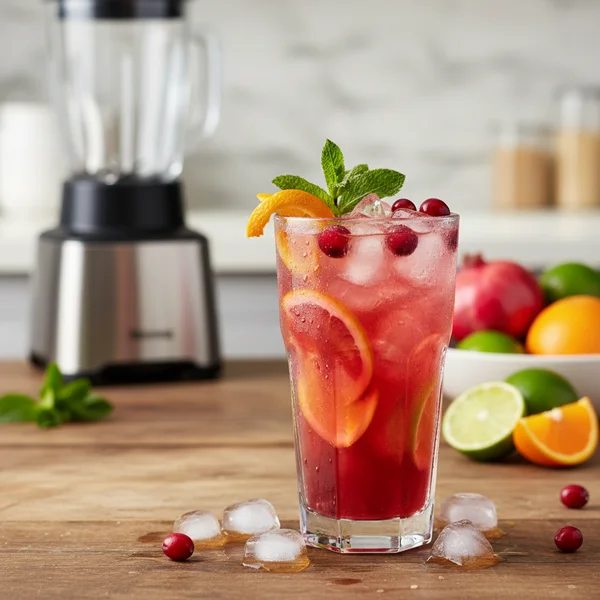
The best substitute for grapefruit juice depends on the recipe: use a blend of orange and lemon juice for a balanced citrus profile, or unsweetened cranberry juice to mimic the characteristic bitterness and tartness.
Top Citrus-Based Alternatives for Every Occasion
When looking for a substitute for grapefruit juice, the most logical place to start is within the citrus family. Because grapefruit is a hybrid of a sweet orange and a pomelo, combining different citrus fruits can often recreate its unique profile.
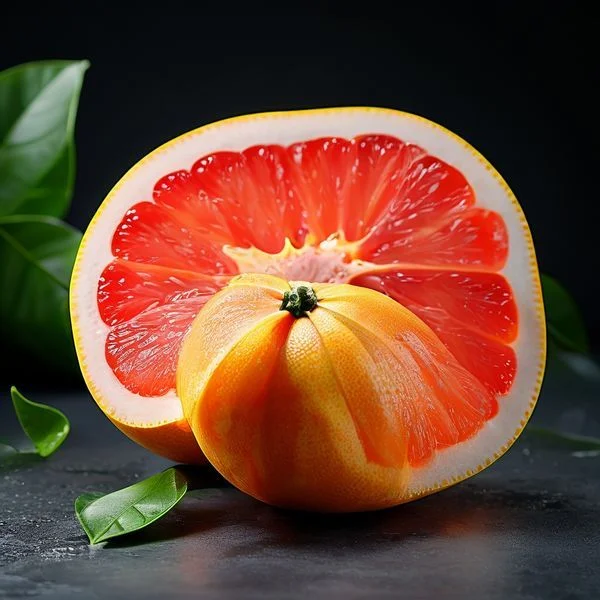
The closest single-fruit relative to the grapefruit is the pomelo. Pomelos are larger, thicker-skinned, and slightly sweeter than grapefruits, but they possess that essential underlying bitterness. If you can find a pomelo, you can use its juice in a 1:1 ratio. However, since pomelos are seasonal and sometimes difficult to find, a more accessible DIY blend is often necessary. A mixture of three parts orange juice to one part lemon or lime juice provides a fantastic approximation. The orange provides the sugar and volume, while the lemon or lime contributes the sharp acidity that grapefruit is known for.
For those who want a more complex flavor, particularly in a refreshing morning drink or a hydrating afternoon cooler, consider the following citrus ratios:
- The Balanced Blend: 50% Orange Juice, 25% Lemon Juice, and 25% Water. This dilutes the thickness of the orange juice and heightens the acidity.
- The Tart Twist: 70% Clementine or Tangerine juice mixed with 30% Lime juice. This creates a bright, zesty profile that works exceptionally well when served chilled over ice.
- The Bitter Substitute: If the goal is to replicate the bitterness without using grapefruit, consider using Seville oranges (bitter oranges). They are much more sour and astringent than standard navel oranges.
In culinary applications, such as ceviche or salad dressings, the acidity is the most important factor. In these cases, a straight swap for lime juice or even a high-quality white wine vinegar can work, though you may need to add a pinch of sugar to balance the intensity.
Replicating the Bitter Profile in Cocktails and Mocktails
In mixology, grapefruit juice is prized for its ability to cut through the sweetness of syrups and the burn of alcohol. When substituting in a cocktail like a Paloma or a Greyhound, you cannot simply use orange juice, as the resulting drink will be far too sweet and one-dimensional. To get that sophisticated “bite,” you need to look toward ingredients that offer a similar astringency.
Unsweetened cranberry juice is an excellent substitute for grapefruit juice in cocktails. It shares the same drying sensation on the palate and a high level of acidity. Because it lacks the citrus aroma, many bartenders suggest adding a splash of lime juice to the cranberry to round it out. Another unconventional but effective choice is pomegranate juice. While it is darker and more berry-forward, its tannic structure mimics the mouthfeel of grapefruit juice quite effectively.
To truly capture the essence of a grapefruit-based drink, the garnish plays a vital role. Using a thick twist of orange peel and expressing the oils over the glass can provide the citrus aromatics that might be missing from the liquid substitute. If you are making a frozen drink, tossing these alternatives into a blender with plenty of ice can create a slushy texture that masks the slight flavor differences, providing a chilled, invigorating experience.
| Substitute Ingredient | Best For | Flavor Profile |
|---|---|---|
| Pomelo Juice | General Drinking, Marinades | Sweet, mild bitterness, floral |
| Cranberry Juice (Unsweetened) | Cocktails (Paloma, Greyhound) | Very tart, astringent, bitter |
| Orange + Lemon Blend | Breakfast, Baking | Sweet and sour, familiar citrus |
| Verjus | Gourmet Sauces, Mocktails | Acidic, wine-like, complex |
Non-Citrus Substitutes for Culinary Excellence
Sometimes, the need for a substitute for grapefruit juice arises in the kitchen during the preparation of sauces, glazes, or seafood dishes. If you are avoiding citrus entirely, there are several pantry staples that can mimic the brightening effect of grapefruit.
Verjus, the pressed juice of unripened grapes, is a secret weapon for many chefs. It is highly acidic but much softer than vinegar, sharing the fruity, slightly bitter undertones found in grapefruit. It works beautifully as a deglazing liquid for chicken or fish. For a hydrating salad dressing, apple cider vinegar mixed with a touch of honey and a drop of orange extract can provide a similar flavor profile to a grapefruit vinaigrette.
Another interesting option is the use of pineapple juice, provided it is balanced with something bitter or sour. Pineapple juice has a similar “zing” due to its bromelain content, which provides a slight tingle on the tongue. By adding a teaspoon of lemon juice or a dash of herbal bitters to a chilled glass of pineapple juice, you can create a substitute that feels just as complex and refreshing as the original.
Using a Blender for Frozen Substitutes
When the weather gets warm, many people reach for grapefruit juice to create frozen treats or slushies. If you are using a substitute for grapefruit juice in these frozen applications, the texture becomes just as important as the taste. Using a high-speed blender allows you to incorporate whole fruit pieces, which can provide more fiber and a more hydrating result than juice alone.
For a frozen grapefruit-style treat, try blending frozen orange segments with a few frozen cranberries and a splash of lime juice. The cranberries will provide that signature pink hue and the necessary bitterness, while the frozen orange creates a creamy, sorbet-like consistency. This method ensures the drink stays chilled longer without being diluted by excess ice.
If you prefer a lighter, more hydrating option, you can blend coconut water with a squeeze of lemon and a dash of orange bitters. Coconut water provides essential electrolytes, and the bitters recreate the “snap” of a grapefruit. Serve this mixture over crushed ice with a mint garnish for an incredibly refreshing beverage that hits all the same notes as a grapefruit cooler.
Expert Tips for Flavor Balancing
Achieving the perfect flavor balance when using a substitute for grapefruit juice requires a bit of culinary intuition. Professional chefs often focus on the “bitter” element, which is the hardest part of the grapefruit to replicate. One insider trick is to use a small amount of citrus zest. The zest contains essential oils that carry the bitter, aromatic compounds of the fruit. Even if you are using orange juice, adding a bit of lime or lemon zest can trick the palate into perceiving a more complex, grapefruit-like flavor.
Another recommendation is to pay attention to temperature. Citrus flavors change as they warm up; the acidity becomes more pronounced while the sweetness can feel cloying. Always serve your substitutes chilled or over plenty of ice to keep the flavors sharp and refreshing. For those making mocktails, adding a splash of tonic water can also introduce quinine, which provides a clean bitterness that perfectly mimics the back-end of a grapefruit juice sip.
- If you need the bitterness of grapefruit without the fruit itself, add two dashes of Angostura or orange bitters to any citrus blend.
- To mimic the color and tartness in a cocktail, a 50/50 mix of orange juice and tart cherry juice works surprisingly well.
- Always use fresh-squeezed juices when possible; bottled juices often lack the volatile aromatics that make grapefruit so distinctive.
Conclusion
Finding a suitable substitute for grapefruit juice is easily achievable once you identify which characteristics of the fruit your recipe requires. Whether you opt for a clever blend of orange and lemon, the tartness of unsweetened cranberry juice, or the sophisticated acidity of verjus, there are plenty of ways to maintain the integrity of your favorite drinks and dishes. By using fresh ingredients, experimenting with a blender for frozen textures, and focusing on the balance of sweet and bitter, you can create refreshing and hydrating alternatives that satisfy any palate. Always remember to garnish your chilled creations to enhance the sensory experience and enjoy the vibrant world of citrus alternatives.
❓ Frequently Asked Questions
1
How long does fresh citrus juice last in fridge?
Freshly squeezed citrus substitutes will last approximately 2 to 3 days when stored in an airtight container in the refrigerator. For the most refreshing taste and highest vitamin content, it is best to consume the juice as close to squeezing as possible to avoid bitterness.


2
Can I make this substitute ahead of time?
You can certainly mix your citrus juices a few hours in advance. To keep it hydrating and vibrant, store the mixture in a glass jar. Give it a quick stir or shake before serving to ensure the natural pulps and flavors are well-distributed throughout the liquid.
3
What can I substitute for grapefruit juice in cocktails?
Pomelo juice is the ideal substitute in cocktails, but a mixture of orange juice, lime juice, and a dash of aromatic bitters works perfectly. This combination mimics the complex, tart, and slightly bitter profile that grapefruit juice brings to drinks like a classic Paloma or Greyhound cocktail.
4
How do I know when the substitute is balanced?
The goal is to achieve a balance between sweet and tart. Taste your mixture; it should be sharper than plain orange juice but sweeter than plain lemon juice. If it feels too sour, add a tiny amount of sweetener to reach that classic, mouth-puckering grapefruit flavor profile.
5
Can I freeze the citrus juice substitute?
Yes, freezing the juice in ice cube trays is a great way to preserve it. You can then pop the cubes into a blender for a frozen treat or add them to water for a hydrating boost. Frozen citrus juice typically stays fresh for up to three months.