How Much Juice to Drink on a Juice Fast: Expert Guide
On a standard juice fast, most individuals should consume between 4 and 6 servings of 16 to 20 ounces of fresh juice per day. This totals approximately 64 to 120 ounces (roughly 2 to 3.5 liters) of liquid nutrition daily. The exact volume depends on your body weight, activity level, and metabolic rate. Consuming a serving every 2 to 3 hours ensures your body remains energized, prevents blood sugar crashes, and provides enough caloric support to maintain daily functions while detoxifying.
Determining Your Daily Juice Volume: A Detailed Explanation
The question of how much juice to drink on a juice fast is central to both the safety and success of the protocol. Unlike a traditional fast that relies solely on water, a juice fast is designed to flood the body with vitamins, minerals, and phytonutrients while giving the digestive system a rest. Because you are not consuming solid food, your juice serves as your primary fuel source. If you drink too little, you risk fatigue, dizziness, and intense hunger, which often leads to breaking the fast prematurely. Conversely, drinking the right amount makes the experience refreshing and sustainable.
Scientifically, the body requires a baseline of micronutrients to support the liver’s detoxification pathways. Most health practitioners recommend a target of 80% vegetable juice and 20% fruit juice. Vegetables like celery, cucumber, and leafy greens are highly hydrating and low in sugar, allowing you to consume larger volumes without causing massive insulin spikes. When you drink roughly 80 to 100 ounces of liquid, you are ensuring that your kidneys have enough fluid to flush out metabolic waste and that your cells remain plump and functional.
Metabolic rate also plays a significant role. A larger individual or someone who remains physically active during their fast will naturally require more juice than a sedentary person. The goal is not to starve the body but to nourish it differently. By consuming 16 to 20 ounces of liquid at regular intervals—breakfast, mid-morning, lunch, mid-afternoon, dinner, and late evening—you create a steady stream of nutrients. This prevents the “starvation response,” where the body begins to slow down its metabolism to conserve energy. Keeping your juice chilled can also help with satiety, as cold liquids often take longer for the body to process and can feel more substantial in the stomach.
Step-by-Step Guide to Managing Your Juice Fast Intake
Implementing a juice fast requires more than just a juicer; it requires a structured schedule to ensure you are hitting your volume targets throughout the day. Follow these steps to optimize your daily intake:
1. Calculate Your Target Volume: Before you begin, determine your goal. A safe starting point for most adults is five 20-ounce juices per day. If you find yourself feeling weak or excessively hungry, increase this to six servings. If you are very petite, four servings may suffice. Always have extra ingredients on hand so you are never caught without juice when hunger strikes.
2. Prepare Your Ingredients: To maintain the nutritional integrity of your juice, use fresh, organic produce. If you are using a high-powered blender to create a “whole-food” juice (which includes some fiber), you may need to add more water or ice to reach the desired consistency. Many people prefer to use frozen spinach or berries to keep the juice cold during the high-speed blending process, which prevents heat from degrading the enzymes.
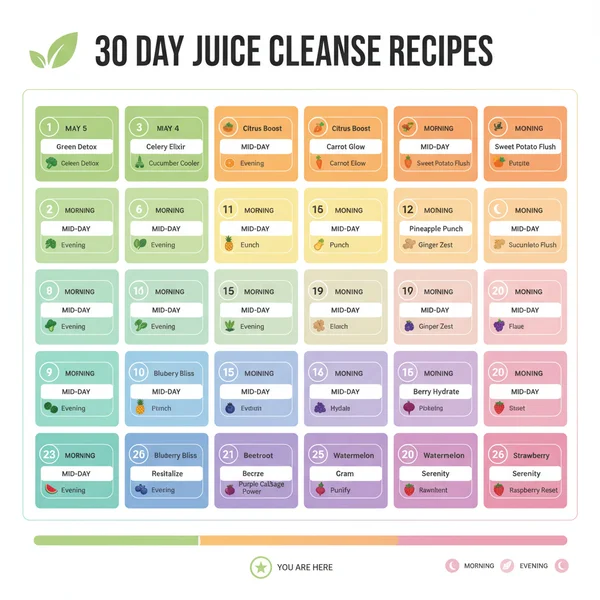
3. Establish a Consistent Schedule: Drink your first juice within an hour of waking up. Set an alarm for every 2.5 to 3 hours. Consistency is the key to avoiding the “hunger wall.” If you wait until you are starving to drink your next serving, you are more likely to experience irritability or cravings for solid food.
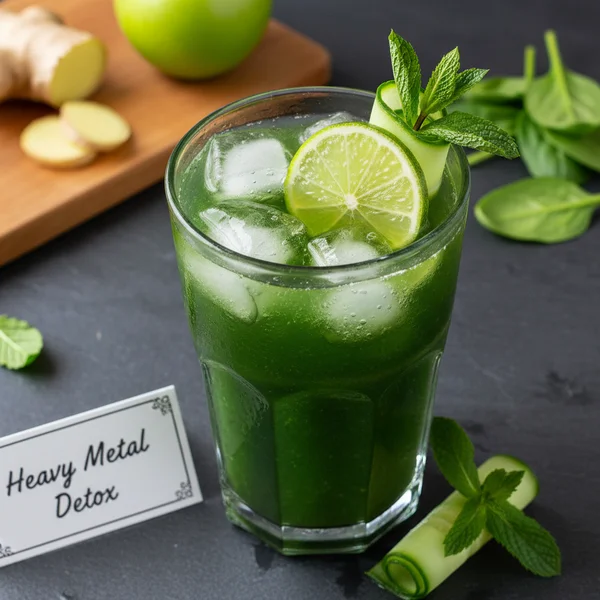
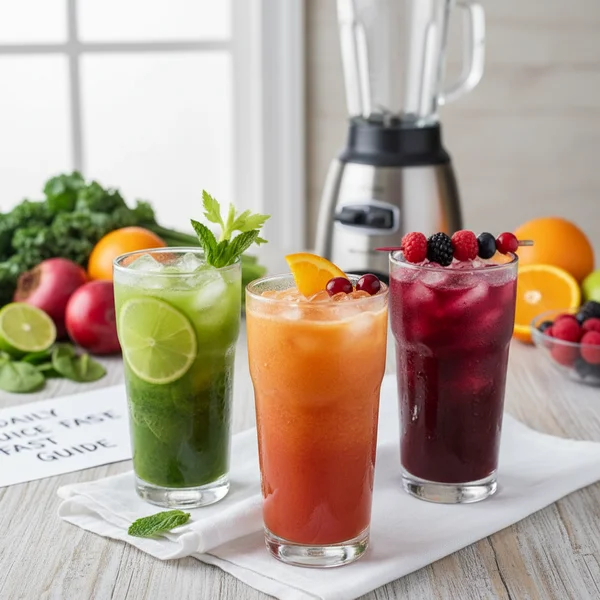
4. Optimize Temperature and Texture: For many, the psychological aspect of “eating” is missed during a fast. Serving your juice chilled over crushed ice can make the experience feel more like a treat. You can also add a garnish like a sprig of mint, a slice of cucumber, or a dusting of cayenne pepper. These small additions provide sensory variety, making the 100-ounce daily goal much easier to achieve.
5. Monitor and Adjust: Pay attention to your urine color and energy levels. If your urine is dark, you are not drinking enough fluids. If you feel lightheaded, increase the vegetable-to-fruit ratio in your next serving to provide a quick but sustained energy boost. Remember to drink plenty of plain water between your juice servings to stay fully hydrating.
Important Considerations and Common Mistakes
While the volume of juice is important, the composition of that juice is equally critical. A common mistake is consuming too much fruit juice. While fruit is refreshing and high in antioxidants, it is also high in fructose. Drinking 100 ounces of mostly fruit juice can lead to blood sugar volatility, followed by a “crash” that leaves you feeling exhausted. To avoid this, focus on base vegetables like cucumber, celery, and romaine lettuce, which provide volume and hydration without the sugar load.
Another consideration is the method of extraction. Using a centrifugal juicer is fast, but it can introduce heat. If you are prepping your juice for the entire day, store it in airtight glass jars immediately and keep them chilled. If you are using a blender to make a thicker, smoothie-style juice, be aware that the added fiber will fill you up much faster. In this case, you might drink fewer ounces because the fiber increases satiety, but you should still aim for a high fluid intake to assist the body’s natural cleansing processes.
Lastly, do not ignore the need for pure water. Many people assume that because they are drinking 80 ounces of juice, they don’t need water. However, juice is processed by the body as food. Pure, filtered water is still necessary to help the kidneys filter the concentrated nutrients you are consuming. Aim for at least 16 to 32 ounces of plain water in addition to your juice servings.
- Use a Straw: Drinking through a straw can help protect your tooth enamel from the acidity of citrus fruits and the natural sugars in the juice.
- Batch Prep Wisely: If you must juice in advance, fill your jars to the very top to minimize oxygen exposure, which prevents oxidation and keeps the juice fresh.
- Add Healthy Fats: A tiny drop of flax oil or a squeeze of lemon can help your body absorb fat-soluble vitamins (A, D, E, and K) found in leafy greens.
- Keep it Cold: A chilled juice is significantly more palatable than a room-temperature one. Use frozen ingredients or serve over ice for the best experience.
- Don’t Forget the Garnish: A simple garnish of ginger or lemon zest can settle a sensitive stomach during the first few days of a fast.
Conclusion
Success on a juice fast is largely determined by your ability to stay consistently nourished and hydrating. By aiming for 64 to 120 ounces of fresh, vegetable-forward juice daily, you provide your body with the caloric and micronutrient support it needs to function while allowing your digestive tract to rest. Whether you use a dedicated juicer or a high-powered blender, the key is frequency and quality. Listen to your body’s signals, keep your beverages chilled, and ensure you are balancing your intake to maintain steady energy levels throughout your journey.
❓ Frequently Asked Questions
1
How long does fresh juice last in fridge?
Freshly pressed juice is best consumed immediately for maximum nutrient density. However, you can store it in an airtight glass container in the refrigerator for up to 24 to 48 hours. Filling the container to the brim helps minimize oxidation, which preserves the flavor and vitamins longer.
2
Can I make juice ahead of time?
Yes, you can prepare your juice in batches to save time. Store them in sealed mason jars immediately after juicing. While some nutrient loss occurs over time, it is a practical way to ensure you stay consistent with your fast during a busy workday or while traveling.
3
What can I substitute for a juicer?
If you do not have a juicer, you can use a high-powered blender. Blend your produce with a small amount of water or coconut water until smooth, then pour the mixture through a nut milk bag or fine-mesh sieve to remove the pulp, leaving behind a smooth, hydrating juice.
4
How do I know when I have had enough juice?
Listen to your body’s internal cues. If you feel dizzy, excessively hungry, or weak, you likely need another serving. A successful fast should leave you feeling energized and clear-headed. Ensure your urine remains pale yellow, which is a key sign that you are properly hydrating throughout the day.
5
Can I freeze fresh juice?
You can freeze fresh juice for up to three months without significant nutrient loss. Use freezer-safe glass jars and leave at least an inch of headspace for expansion. Thaw the juice in the refrigerator overnight and give it a vigorous shake before drinking to reintegrate any separated nutrients.