How to Store Cold Pressed Juice: Perfect Guide
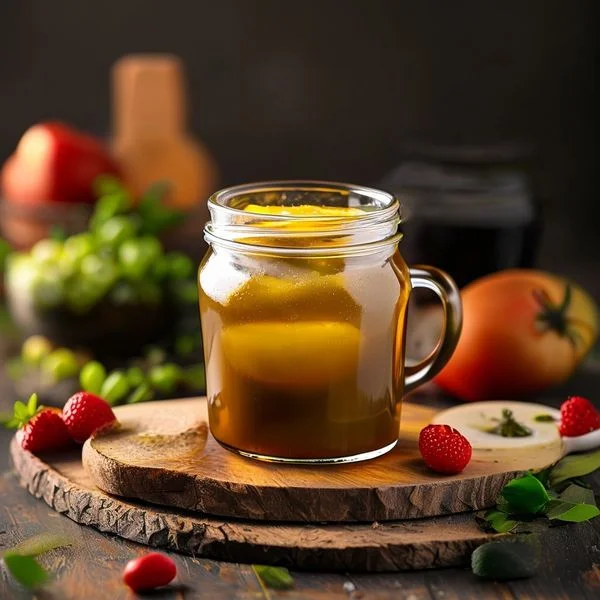
To store cold pressed juice correctly, pour it into an airtight glass container, filling it to the absolute brim to eliminate oxygen. Store the juice in the coldest part of your refrigerator immediately after pressing. While best enjoyed fresh, cold pressed juice typically remains stable for 3 to 5 days. For long-term preservation, you can freeze the juice in freezer-safe containers for up to six months, leaving an inch of headspace for expansion.
Understanding the Science of Juice Preservation
Cold pressed juice is a premium beverage known for its high nutrient density and vibrant flavor profiles. Unlike traditional juices made with a high-speed centrifugal juicer or a standard blender, cold pressed juice is extracted using a hydraulic press. This method avoids the high heat and rapid aeration that can degrade delicate enzymes and vitamins. Because the juice is raw and unpasteurized, it requires specific handling to maintain its hydrating and refreshing properties.
The primary enemy of fresh juice is oxidation. When the juice is exposed to air, the organic compounds begin to break down, leading to a loss of nutritional value and a change in color—often turning a dull brown. By storing the juice in a vacuum-sealed or tightly capped glass bottle, you slow this chemical reaction significantly. Glass is the preferred medium because it is non-porous and does not leach chemicals like some plastics might, ensuring your juice remains as pure as the moment it was pressed.
Temperature control is equally vital. Bacteria thrive at room temperature, but their growth is drastically slowed in a chilled environment. Keeping your juice consistently below 40°F (4°C) is essential for safety and taste. Furthermore, light exposure can also trigger nutrient degradation. Storing your jars in the back of the refrigerator, away from the light that enters when the door opens, helps preserve the sensitive phytonutrients. Whether you are using the juice as a hydrating morning boost or a mid-day snack, proper storage ensures you get the most out of your ingredients.
Step-by-Step Guide to Storing Your Juice
Following a systematic approach to storage will extend the shelf life of your beverage and keep it tasting as if it were just made. Follow these steps to maximize the quality of your cold pressed creations:
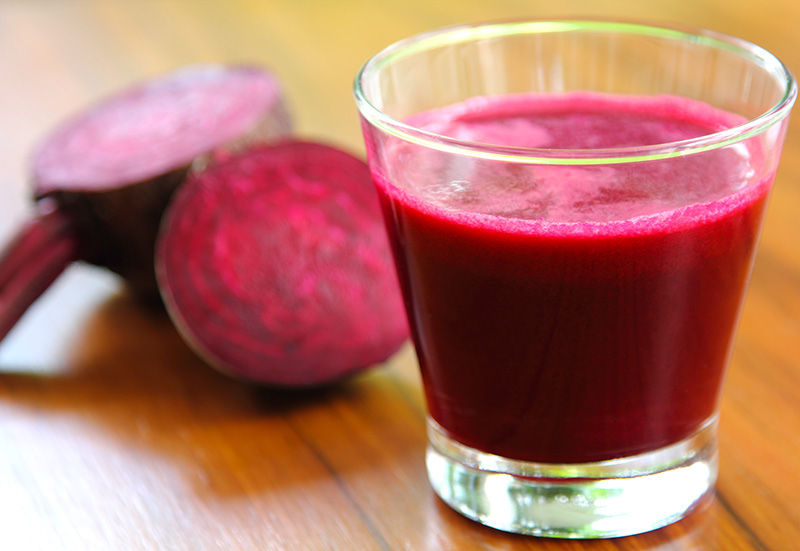
- Prepare Your Containers: Use glass Mason jars or specialized glass juice bottles. Ensure they are thoroughly cleaned and sanitized. If they are cold before you fill them, it helps keep the juice temperature low from the start.
- Fill to the Brim: Pour your juice into the container until it is nearly overflowing. The goal is to leave as little room for air as possible. This “zero-headspace” technique is the best way to combat oxidation during refrigeration.
- Seal Tight Immediately: Once filled, screw the lid on tightly. If you have a vacuum-sealing attachment for your jars, use it to remove any remaining microscopic air pockets.
- Label and Date: Always mark your bottles with the date of extraction and the ingredients used. This helps you keep track of freshness and ensures you consume the oldest batches first.
- Refrigerate Promptly: Do not let the juice sit on the counter. Place it in the main body of the refrigerator immediately. Avoid the door shelves, as temperature fluctuations occur every time the door is opened.
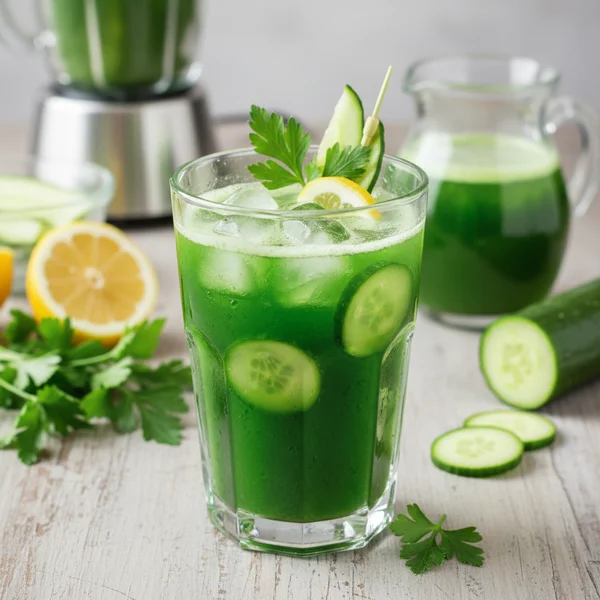
- Serve Correctly: When you are ready to drink, give the bottle a gentle shake to re-incorporate any settled pulp. Pour the juice over ice for an extra chilled experience and add a fresh garnish like a sprig of mint or a slice of lime to enhance the aromatics.
If you find yourself with an excess of produce and cannot drink the juice within the five-day window, consider the frozen method. Pour the juice into silicone molds or freezer-safe glass (leaving an inch of space this time so the liquid can expand as it turns to ice). Frozen juice maintains its nutrient profile for months and can be thawed in the refrigerator overnight when needed.

Important Considerations for Juice Quality
While cold pressed juice is incredibly shelf-stable compared to blender-made smoothies, it is still a living product. You must watch for signs of spoilage. If a bottle appears bloated or the lid is bulging, this is a sign of fermentation and the juice should be discarded. Similarly, any sour smell or “fizzy” mouthfeel indicates that bacteria have begun to break down the natural sugars.
The type of ingredients you use will also dictate storage success. Juices with high acidic content, such as those containing lemon, lime, or ginger, tend to stay fresh slightly longer because the acidity acts as a natural preservative. Conversely, earthy vegetables like carrots or beets may show signs of flavor change more quickly. If you are mixing various fruits and vegetables, aim for a balanced pH to help stabilize the mixture.
Another factor is the equipment used. While a cold press juicer is the gold standard, some people use a blender and then strain the pulp through a nut milk bag. If you use this blender method, be aware that more air is incorporated during the blending process, so the storage window may be shorter—closer to 24 to 48 hours. Regardless of the method, keeping the juice chilled at all times is the most important factor in preventing spoilage.
- Use amber-colored glass bottles to protect the juice from light-induced nutrient loss.
- Add a squeeze of fresh lemon or a teaspoon of acerola cherry powder to boost Vitamin C, which acts as a natural antioxidant to prevent browning.
- Always wash your produce thoroughly before juicing to reduce the initial bacterial load in the liquid.
- If freezing, use ice cube trays to create “juice cubes” that can be added to water for a hydrating flavor boost.
- Never drink directly from the storage bottle if you plan on saving the rest; bacteria from your mouth can accelerate spoilage.
Conclusion
Storing cold pressed juice correctly is the key to maintaining its nutritional integrity and delicious taste. By utilizing airtight glass containers, minimizing oxygen exposure, and keeping the juice consistently chilled, you can enjoy a refreshing and hydrating beverage days after it was prepared. While the three-to-five-day rule is a standard guideline for refrigeration, always trust your senses. With the right preparation and storage habits, you can make juicing a convenient and sustainable part of your wellness routine, ensuring every sip is as potent and flavorful as the first.
❓ Frequently Asked Questions
1
How long does cold pressed juice last in fridge?
Cold pressed juice typically lasts between 48 to 72 hours when stored in an airtight glass container. Because it isn’t pasteurized, bacteria can grow quickly, so it is best to consume it as soon as possible to enjoy the most refreshing and hydrating benefits of the fresh nutrients.
2
Can I make cold pressed juice ahead of time?
Yes, you can prepare cold pressed juice up to three days in advance if you store it correctly. Ensure the juice is chilled immediately after extraction. To maintain quality, fill your bottles to the brim to exclude air, which helps keep the flavor vibrant and the enzymes active.
3
What can I substitute for a juicer?
If you don’t have a professional juicer, you can use a high-speed blender. Blend your fruits and vegetables with a little water or ice, then strain the mixture through a nut milk bag or fine-mesh sieve. This method produces a hydrating beverage similar to traditional cold pressed juice.
4
How do I know when cold pressed juice is done?
You will know the juice is past its prime if you notice a sour smell, a fizzy texture, or significant color changes. While some separation is normal and can be fixed with a gentle shake, any off odors or mold mean the juice should be discarded immediately for safety.
5
Can I freeze cold pressed juice?
You can freeze cold pressed juice for up to six months. Leave about an inch of headspace in the container to allow for expansion. When ready to drink, thaw it in the refrigerator. While it remains hydrating, the texture might change slightly compared to a fresh, refreshing glass.