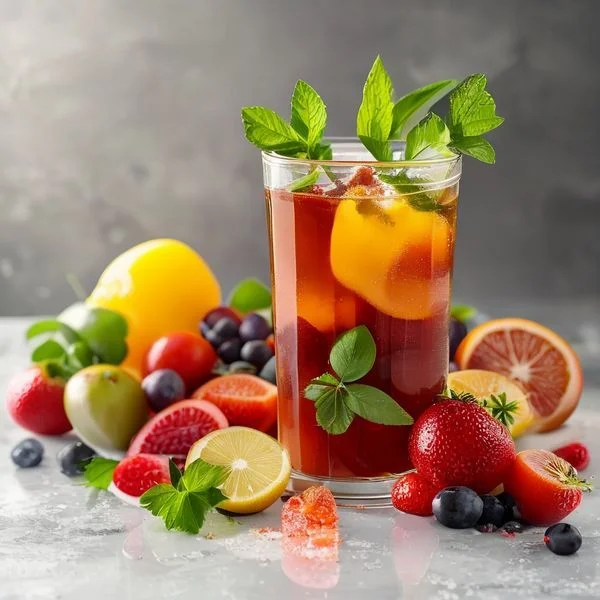
How Much Juice to Drink on a Juice Fast: Ultimate Guide
During a juice fast, most individuals should consume between 80 and 120 ounces of fresh juice per day. This usually equates to five or six servings of 16 to 20 ounces each. The exact amount depends on your activity level, metabolic rate, and body weight. It is essential to drink enough to prevent extreme hunger and fatigue while maintaining a balance of roughly 80% vegetables and 20% fruit to manage blood sugar levels effectively.
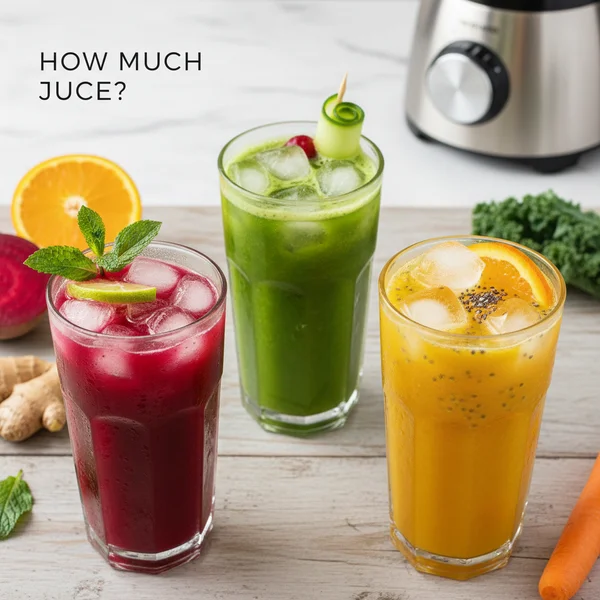
Understanding the Daily Volume: How Much Juice to Drink on a Juice Fast
Determining the correct volume of liquid to consume during a juice fast is a balancing act between providing the body with sufficient micronutrients and allowing the digestive system to rest. While many beginners worry about over-consuming calories, the more common mistake is under-consuming, which leads to early fatigue, irritability, and abandonment of the fast. To maintain a refreshing and sustainable experience, most experts recommend drinking 16 to 20 ounces of juice every two to three hours.
The primary goal of a juice fast is to flood the body with vitamins, minerals, and antioxidants in an easily absorbable form. Because the fiber is removed during the juicing process, your body does not have to work hard to break down the plant material, which is why the liquid feels so hydrating and restorative. However, because fiber—the component that provides satiety—is missing, you must compensate with volume. If you weigh more or have a physically demanding job, you may find that your body requires closer to 140 ounces per day to maintain energy levels.
Scientifically, your body still requires a baseline of calories to function. A typical 16-ounce green juice contains anywhere from 100 to 180 calories depending on the ingredients. If you only drink three juices a day, you are likely consuming fewer than 600 calories, which can trigger a starvation response and slow your metabolism. By aiming for six servings, you bring your caloric intake into a safer “fasting” range of 800 to 1,200 calories. This ensures that the experience remains a positive refreshing reset rather than a period of deprivation.
The Optimal Daily Schedule: A Step-by-Step Guide
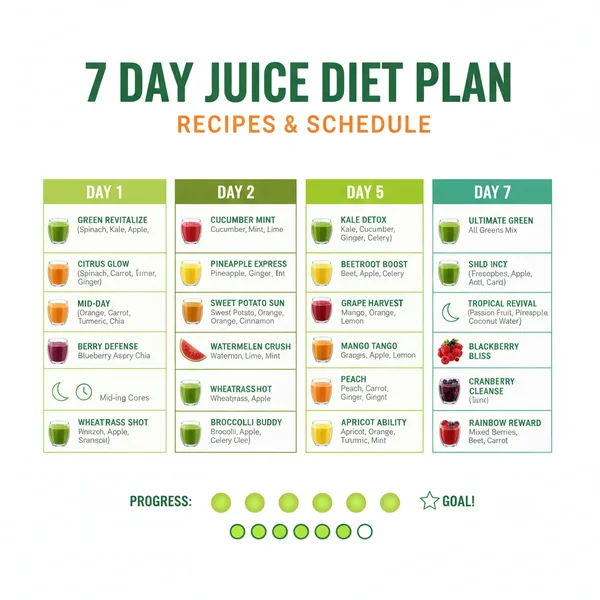
Successfully navigating a juice fast requires more than just knowing the total volume; it requires a structured schedule to keep your blood sugar stable and your energy consistent. Following a routine helps your body anticipate the next nutrient “hit,” preventing the crashes often associated with liquid diets.
Step 1: The Morning Flush
Start your day with 16 ounces of warm water mixed with lemon or ginger. This is not part of your juice count but serves to wake up the digestive tract. Wait about 30 minutes before your first juice.
Step 2: The Breakfast Green Juice
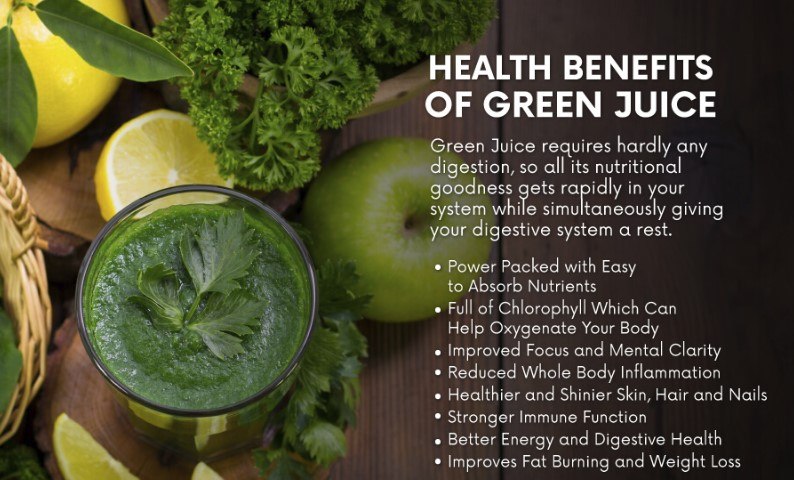
For your first meal, focus on heavy greens like kale, spinach, and parsley. Use cucumber and celery as a base for their high water content. If you prefer a chilled start, you can run your ingredients through the juicer and then pour the liquid over ice. This first 20-ounce serving sets the tone for your micronutrient intake.
Step 3: Mid-Morning Energy Boost
Around 10:30 AM, consume your second 16-to-20-ounce serving. This is a great time to incorporate citrus or green apple for a bit of natural sugar to fuel your morning tasks. If you are using a high-speed blender instead of a traditional juicer, ensure you strain the liquid through a nut milk bag to remove the pulp, keeping the consistency thin and easy to digest.
Step 4: The Lunchtime Hearty Juice
Midday requires something more substantial. Incorporate root vegetables like carrots or beets. These are denser and provide more calories. To make the drink feel like a “meal,” consider serving it in a glass with a garnish of fresh mint or a slice of lime to stimulate the senses.
Step 5: The Afternoon Refresher
Between 3:00 PM and 4:00 PM, energy levels often dip. A refreshing blend of cucumber, pineapple, and mint can provide the necessary pick-me-up. If you find the juice is getting warm, remember that drinking it chilled can help suppress late-afternoon hunger pangs.
Step 6: Dinner and Evening Wind-Down
Your final juice should be consumed at least two hours before bed. Many people opt for a “sunset” juice containing sweet potato or more carrots. If you find yourself craving something different, you can blend your juice with frozen cucumber slices or ice to create a slushy-like consistency that feels more like a treat.
Important Considerations for a Safe Juice Fast
While the volume of juice is critical, the quality and composition of that juice are equally important. A common mistake is consuming too much fruit juice. While fruit provides quick energy, an all-fruit fast can lead to massive spikes and drops in insulin, causing headaches and intense cravings. The “80/20 rule” is the industry standard: 80% of your ingredients should be low-sugar vegetables (cucumber, celery, leafy greens) and only 20% should be fruit (apple, pear, lemon, berries).
Another consideration is the method of preparation. While a juicer is the standard tool, many people use a blender to create “whole food juices.” If you choose this route, you must add extra water to keep the mixture hydrating and liquid. Without removing the fiber, you are technically on a “smoothie fast,” which changes how your body processes the nutrients and how much volume you can comfortably consume.
Temperature also plays a role in how your body perceives satiety. Chilled juices are often more palatable and refreshing, especially during warmer months. However, very cold liquids can sometimes slow down digestion. If you are using frozen ingredients to keep your juices fresh, try to let them sit for a few minutes before consuming so they are cool rather than frozen solid.
Lastly, do not ignore the importance of water. Even though you are drinking 100 ounces of juice, you still need pure water. Juice is food in liquid form; water is the solvent that helps flush the toxins released during the fast out of your system. Aim for an additional 64 ounces of plain or infused water daily.
- Use a Garnish: Adding a sprig of rosemary or a slice of ginger as a garnish can improve the flavor profile and provide digestive benefits.
- Store Properly: If you make your juice in bulk, store it in airtight glass jars in the coldest part of the fridge. For longer storage, you can even use frozen silicone molds to keep the juice fresh for up to 72 hours.
- Listen to Your Body: If you feel dizzy or lightheaded, increase your juice volume or add a pinch of sea salt to your juice to replenish electrolytes.
- The Blender Method: If you don’t own a juicer, use a high-powered blender and a fine-mesh strainer to achieve that smooth, pulp-free consistency.
Conclusion
Success on a juice fast is largely determined by how well you fuel your body throughout the process. By aiming for 80 to 120 ounces of hydrating, nutrient-dense liquid daily, you provide your cells with the energy they need to thrive. Remember to keep your drinks chilled for the best flavor, use a blender and strainer if a juicer isn’t available, and always prioritize vegetable-heavy recipes. Whether you are drinking a refreshing green blend or a frozen-infused treat, consistency is the key to a successful and healthy reset.
❓ Frequently Asked Questions
1
How long does fresh juice last in the fridge?
Fresh juice is best consumed immediately, but it can last 24 to 72 hours in the refrigerator when stored in an airtight glass container. To keep it refreshing and nutrient-dense, fill the container to the brim to minimize oxidation and store it in the coldest part of your fridge.
2
Can I make juice ahead of time?
Yes, you can prep juices for the day ahead to stay consistent. If you use a high-speed blender and strain the pulp, ensure you keep the liquid cold. Storing your beverage in dark, airtight bottles helps preserve the delicate enzymes and vitamins necessary for a successful and healthy juice fast.
3
What can I substitute for a juicer?
A high-powered blender is an excellent substitute for a traditional juicer. Simply blend your ingredients with a small amount of water or ice, then pour the mixture through a nut milk bag or fine-mesh strainer. This method creates a smooth, hydrating beverage that is perfect for any juice fasting routine.
4
How do I know when I have had enough juice?
You should feel satisfied and alert throughout the day. If you experience intense hunger pangs or headaches, you may need to increase your volume or frequency. Most people find that consuming around 100 ounces of juice, supplemented by water, keeps them feeling refreshed and properly fueled during a fast.
5
Can I freeze juice for my fast?
Freezing is a great way to preserve juice for up to three months. While fresh is always best, frozen juice retains most of its nutritional value. Thaw it in the refrigerator overnight, give it a good shake, and add a fresh garnish like mint to revive the refreshing flavor before drinking.