Juice Cleanse While Breastfeeding: Healthy Guide
Undertaking a juice cleanse while breastfeeding requires a specialized approach that prioritizes nutrient density without sacrificing the caloric intake necessary for milk production. This comprehensive five-day schedule is designed to help postpartum mothers reset their digestive systems and flood their bodies with vitamins while maintaining a healthy supply for their babies. Instead of a restrictive fast, this plan focuses on incorporating hydrating, plant-based beverages alongside balanced snacks or light meals. By following this structured routine, you can enjoy a boost in energy, improved skin clarity, and a sense of revitalization while navigating the demands of motherhood.

Duration: 5 Days
Goals: Cellular hydration, micronutrient replenishment, and energy stabilization.
Expected Outcomes: Reduced bloating, increased mental clarity, and improved hydration levels for lactation.
Before You Start
Success with a juice cleanse while breastfeeding begins with preparation. Unlike standard cleanses, your body requires an additional 300 to 500 calories per day to support nursing. Before day one, ensure your kitchen is stocked with organic produce and that your high-speed blender or juicer is clean and ready for use. It is vital to consult with your healthcare provider or a lactation consultant before starting any new dietary regimen. Preparation also involves “leaning into” the cleanse—start reducing processed sugars and caffeine two days prior to minimize detox symptoms like headaches. You should also prepare a batch of “emergency” healthy snacks, such as raw almonds or avocado, to ensure you never feel depleted. Remember, the goal here is nourishment, not restriction.
Day-By-Day Schedule
Day 1: The Hydration Foundation
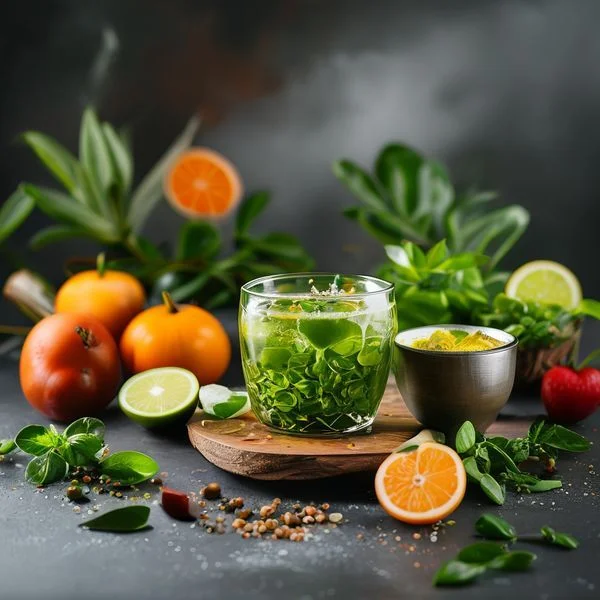
The first day focuses on flooding your system with chlorophyll and water-dense vegetables. Start your morning with a large glass of room-temperature lemon water to wake up your digestive tract. Your primary juice today should feature cucumber and celery, which are incredibly hydrating. Because breastfeeding increases thirst, you will drink a juice every three hours, interspersed with high-protein snacks like Greek yogurt or hard-boiled eggs to keep your energy stable. The focus is on clearing out toxins while keeping your fluid levels high for nursing.

- Drink 16oz Green Juice (Cucumber, Celery, Spinach, Green Apple) every 3 hours.
- Supplement with at least 80oz of plain filtered water throughout the day.
Day 2: Tropical Energy Boost
On the second day, we introduce frozen fruits to provide a natural glucose boost. Using your blender, create a thick, nutrient-dense smoothie using frozen mango or pineapple mixed with kale and coconut water. The natural electrolytes in coconut water are excellent for milk supply. If the texture is too thick, add a few cubes of ice to achieve a chilled, slushy consistency that feels like a treat. This day is about preventing the “day two slump” often associated with cleansing by providing steady, fruit-based energy.
- AM: Tropical Green Smoothie (Mango, Kale, Coconut Water, Flax Seeds).
- PM: Carrot and Ginger juice for an anti-inflammatory afternoon pick-me-up.
Day 3: Anti-Inflammatory Reds
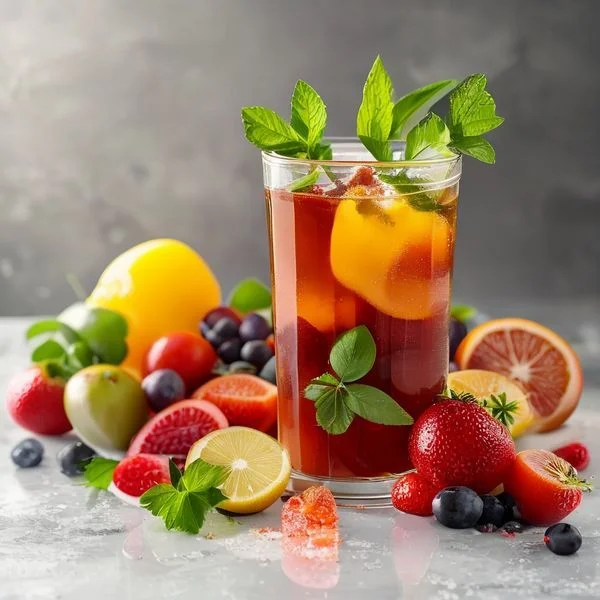
Midway through the plan, we focus on blood-building nutrients. Beets are the star of Day 3, offering folate and iron, which are critical for postpartum recovery. Create a deep red juice using beets, apples, and carrots. To make the experience more refreshing, serve your juice in a nice glass over ice and add a mint leaf garnish. This psychological trick helps you feel pampered rather than restricted. Ensure you are eating a light, plant-based dinner such as quinoa and steamed vegetables to maintain the caloric floor required for breastfeeding.
- Focus Juice: Beet, Ginger, Lemon, and Red Apple.
- Evening: Add a handful of walnuts to your routine for healthy fats and brain health.
Day 4: Cooling & Calming
By day four, your body is likely feeling lighter, but you may experience “flavor fatigue.” Today’s focus is on “cooling” ingredients like fennel and pear. Fennel is a well-known galactagogue, meaning it may help support milk production. Prepare your juices in advance and keep them chilled in the refrigerator. If you feel your milk supply dipping at all, immediately supplement with an oat-based snack. The goal is to keep the juices refreshing and light, helping to soothe any digestive inflammation while keeping your mood stable during the final stretch.
- Focus Juice: Fennel, Pear, Romaine, and Lime.
- Afternoon: Sip on herbal fennel or raspberry leaf tea for additional lactation support.
Day 5: Re-Energize & Refresh
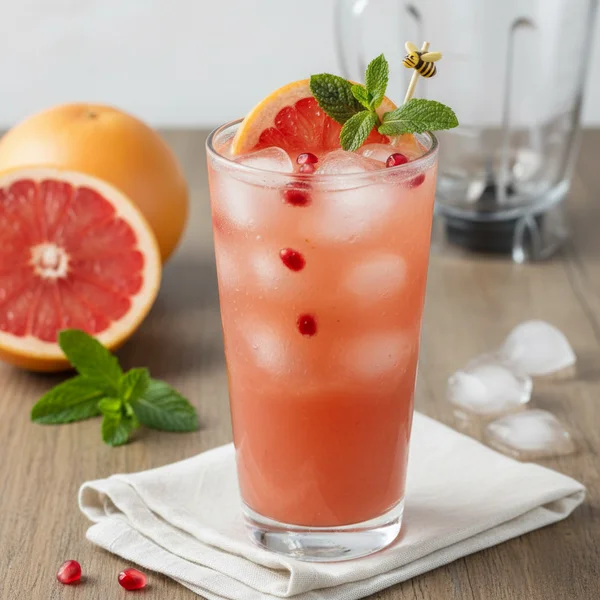
The final day is about transitioning back to solid foods while maintaining the high nutrient intake. Your juices today should be high in Vitamin C to support your immune system. Use your blender to pulse together oranges, grapefruits, and a bit of turmeric. Ensure the drink is served chilled with a light garnish of zest to invigorate your senses. By the end of today, you should feel a sense of accomplishment. You have successfully integrated a juice cleanse while breastfeeding in a way that respects your body’s unique needs.

- Final Juice: Citrus Blast (Orange, Grapefruit, Lemon, Turmeric).
- Dinner: Transition with a light soup, such as butternut squash or miso.
Modifications & Alternatives
Every woman’s breastfeeding journey is different, meaning this plan may need adjustments. If you notice a significant decrease in your milk supply, or if you feel dizzy and weak, you must modify the plan by adding “solid” components. Instead of a pure juice, turn your ingredients into a smoothie by using a blender and adding a scoop of protein powder or a tablespoon of almond butter. You can also swap the afternoon juice for a “lactation latte” made with almond milk, brewers yeast, and oats. If you prefer a frozen texture, blend your juices with ice to create a nutrient-dense sorbet. The key is to listen to your body’s hunger cues; if you are hungry, eat. This schedule is a template for health, not a mandate for deprivation.
- Always keep your juices chilled to preserve nutrients and improve the flavor profile.
- Use a fresh mint or basil garnish to make each drink feel like a gourmet experience.
- If you find the juices too sweet, add more ice or water to dilute them and increase hydrating properties.
- Never skip the healthy fats; breastfeeding requires fats for the baby’s brain development.
Conclusion
Completing a five-day juice cleanse while breastfeeding is a powerful way to reclaim your wellness and vitality during the postpartum period. By following this structured schedule, you have provided your body with a concentrated dose of enzymes and antioxidants without compromising the quality of your breast milk. You should now feel more hydrating energy and a clearer mind. As you move forward, try to keep one “green juice” in your daily routine to maintain these results. Transition back to whole foods slowly, focusing on lean proteins and complex carbohydrates to keep your energy levels soaring.
❓ Frequently Asked Questions
1
How long does fresh juice last in the fridge?
Fresh juice is best consumed immediately but can last up to 24 to 48 hours in an airtight glass container. Because it lacks preservatives, the nutrients begin to degrade quickly. Store it in the coldest part of your refrigerator and shake well before drinking to redistribute the pulp.
2
Can I do a 3-day juice cleanse while breastfeeding?
Strict multi-day cleanses are generally discouraged while breastfeeding because your body requires an extra 300-500 calories daily. A juice-only diet can lead to a drop in milk supply and fatigue. Instead, use juice as a supplement to a balanced diet rich in proteins, healthy fats, and complex carbohydrates.
3
What can I substitute for ginger in this juice?
If you find ginger too spicy or don’t have it on hand, fresh turmeric is an excellent anti-inflammatory substitute. Alternatively, a squeeze of lime or a few slices of fresh pear can provide a different flavor profile while maintaining the refreshing and hydrating qualities of the beverage.
4
How do I know when the juice is blended enough?
If using a blender instead of a juicer, you want a completely smooth, liquid consistency. If the texture is too thick or fibrous, you can strain it through a fine-mesh sieve or a nut milk bag. Adding a little extra water or coconut water can help the blades move.
5
Can I freeze this juice for later?
Yes, you can freeze fresh juice in silicone molds or ice cube trays for up to three months. These frozen cubes are perfect for adding to future smoothies. You can also freeze the juice into popsicles for a hydrating and refreshing treat on a warm day.