Joe Cross Net Worth: Success & Famous Juice Recipe
Joe Cross is much more than a filmmaker; he is a global wellness icon who turned a personal health crisis into a multi-million dollar brand. Many people searching for the Joe Cross net worth are often surprised to find that his wealth is deeply intertwined with his advocacy for plant-based nutrition and lifestyle medicine. After starring in the hit documentary “Fat, Sick & Nearly Dead,” Cross transformed from a high-flying businessman struggling with a debilitating autoimmune disease into a leading voice in the international health industry. In this article, we will explore the various streams of income that contribute to his financial standing, the massive success of his “Reboot” brand, and how his simple juicing philosophies have generated significant commercial value worldwide.

The Joe Cross net worth is built on a foundation of authentic storytelling and accessible health solutions, proving that personal transformation can lead to a sustainable and highly profitable global media empire.
The Financial Impact of the Documentary Success
The primary driver behind the Joe Cross net worth was the unexpected global success of his documentary film, “Fat, Sick & Nearly Dead.” Originally intended to document his 60-day journey of consuming only fresh fruit and vegetable juice to cure his illness, the film resonated with millions of viewers who were also looking for a way to reclaim their health. The film was not just a critical success; it became a cultural phenomenon, eventually reaching over 30 million viewers across various streaming platforms and television networks.
The monetization of this documentary went far beyond initial ticket sales or streaming royalties. It established Cross as a trusted authority in the wellness space, allowing him to launch a sequel and several spin-off media projects. By documenting his vulnerability and success, Cross created a brand that felt personal to his audience. This emotional connection translated into a loyal customer base ready to invest in his subsequent ventures, from digital applications to premium content subscriptions.
Unlike many entrepreneurs who start with a product and look for an audience, Cross used the power of documentary filmmaking to build an audience first. This “audience-first” approach is a classic example of modern brand building, where the story serves as the primary marketing vehicle. The financial ripple effects of the film continue to support his ventures today, providing a steady stream of passive income through licensing and distribution deals.
The Reboot with Joe Business Model
Following the success of his films, Cross founded “Reboot with Joe,” a comprehensive wellness platform that serves as the hub for his commercial activities. This business model is multi-faceted, incorporating book publishing, digital health programs, and nutritional coaching. His books, including “The Reboot with Joe Juice Diet,” have spent significant time on bestseller lists, contributing a substantial portion to the Joe Cross net worth. These publications provide structured plans that go beyond the screen, offering readers a tangible path to follow.
The digital side of the business includes a mobile app that helps users track their progress and find new ways to incorporate plant-based nutrition into their lives. By diversifying his income through both physical products and digital services, Cross has built a resilient business that isn’t dependent on a single revenue stream. The platform also offers “Reboot” plans that include community support and expert guidance, leveraging the power of subscription-based models which are highly valued in the entrepreneurial world.
| Revenue Stream | Primary Asset | Impact Level |
|---|---|---|
| Media & Film | Documentaries & Specials | High |
| Publishing | Bestselling Books | Very High |
| Digital Apps | Subscription Tracking | Medium |
| Public Speaking | Health Conferences | Medium |
A Proven Recipe for Success: The Mean Green Juice
Central to the brand’s commercial success is a specific recipe that has become synonymous with the “Reboot” movement. Known as the “Mean Green” juice, this formula has been shared millions of times online and serves as the entry point for many newcomers to the lifestyle. By providing a clear, repeatable system, Cross has turned a dietary habit into a recognizable brand asset. The financial value of having a signature product cannot be overstated, as it creates brand recognition that is easy to market across different cultures and languages.

For those interested in the specifics, the ingredients for this famous drink are simple yet effective: 1 bunch of kale, 4 stalks of celery, 1 cucumber, 2 Granny Smith apples, 1/2 a lemon, and a small piece of ginger. The instructions are straightforward: wash all produce thoroughly, run them through a high-quality juicer, and serve immediately. While there is no cooking time required, the prep time is usually around 10 to 15 minutes, depending on the juicer used. This specific combination is designed to be nutrient-dense while remaining palatable for those who aren’t used to drinking their greens.
When considering the nutritional value, this standard batch makes approximately two servings. It is remarkably low in calories while being incredibly high in vitamins and minerals. By standardizing this “Mean Green” formula, Cross created a lifestyle product that required no manufacturing plant—his audience simply needed the list of items from their local grocery store. This decentralization of the “product” allowed his message to spread far faster than if he had been trying to sell a pre-bottled juice, further cementing his influence and indirectly boosting the Joe Cross net worth through book and app sales related to these routines.
Strategic Brand Partnerships and Endorsements
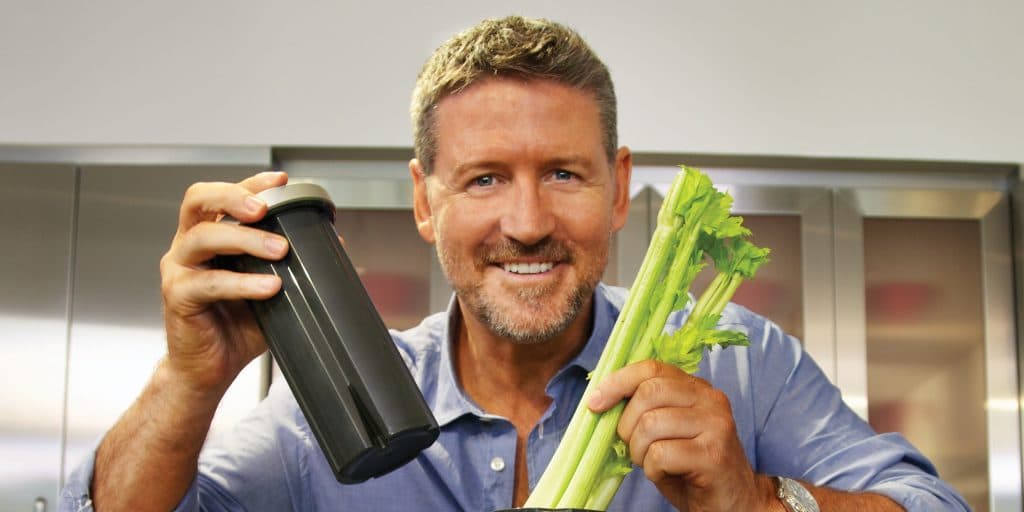
Another significant factor in the growth of the Joe Cross net worth is his strategic partnership with juicing hardware companies, most notably Breville. During his initial journey, Cross used a Breville juicer, and the visibility of the machine in the film led to a massive spike in sales for the company. This organic endorsement evolved into a professional relationship that benefited both parties. Cross became a global brand ambassador, often appearing in promotional materials and helping to design or promote new models of centrifugal and masticating juicers.
These types of corporate partnerships are lucrative and provide a level of financial stability that complements the more volatile income from media production. Furthermore, Cross has been careful to only partner with brands that align with his health-first philosophy, which maintains his credibility with his audience. This authenticity is the “secret sauce” that keeps his brand valuable in an industry often plagued by fly-by-night influencers. His ability to bridge the gap between a personal health story and a corporate hardware giant is a masterclass in modern brand management.
Expert Tips for Following the Joe Cross Method
Transitioning into a juicing lifestyle requires more than just the right equipment; it requires a shift in mindset. Experts suggest that if you are looking to replicate the results seen in Joe’s films, you should focus on the quality of your produce. Organic ingredients are often recommended to reduce pesticide exposure, especially when consuming juice in high volumes. Additionally, experts recommend slowly introducing green juices into your diet rather than jumping into a 60-day reboot without medical supervision.
Another tip from nutritionists is to focus on variety. While the Mean Green juice is a staple, rotating your greens—using spinach, swiss chard, or romaine—ensures a broader spectrum of micronutrients. Understanding the balance between fruits and vegetables is also crucial; keeping the ratio high on the vegetable side helps maintain low sugar levels and prevents insulin spikes, which is a common mistake for beginners.
- Prep your produce in bulk once every two days to save time and ensure you don’t skip a session.
- Always drink your juice on an empty stomach for maximum nutrient absorption.
- Keep a journal of how you feel after each serving to track your body’s specific response to different ingredients.
Conclusion
The Joe Cross net worth is a testament to the power of a compelling story combined with a genuine desire to help others. By turning his personal transformation into a multi-media platform, Cross has built a brand that is both financially successful and socially impactful. Whether through his bestselling books, hit documentaries, or signature juice recipes, he continues to influence the global conversation on health. For those looking to improve their own wellness, following the accessible and transparent blueprint he has provided is a great place to start your own health journey.
❓ Frequently Asked Questions
1
How long does green juice last in fridge?
For maximum nutrient density, it is best to drink the juice immediately. However, you can store it in an airtight glass container for up to 24 to 48 hours. Keeping it cold is essential to prevent the fresh ingredients from oxidizing and losing their health benefits.
2
Can I make juice ahead of time?
You can certainly prepare your juice ahead of time to save on daily cooking time. Fill your storage container to the brim to minimize oxygen exposure. While the taste is best when fresh, pre-making juice is a convenient way to stay consistent with your healthy habits.
3
What can I substitute for kale?
If you find kale too strong, baby spinach is an excellent substitute that offers a similar nutritional profile with a much milder flavor. You can also use romaine lettuce or Swiss chard, which both work perfectly with standard juicing instructions and yield a high volume of liquid.
4
How do I know when the juice is done?
The juice is ready once all your solid ingredients have been processed through the machine and the pulp coming out is dry. Give the final liquid a quick stir to ensure the flavors of the ginger, lemon, and greens are perfectly balanced before you pour it into a glass.
5
Can I freeze green juice?
Freezing is a great option for long-term storage. Pour the juice into freezer-safe containers, leaving a little space at the top for expansion. Thaw the juice in the refrigerator overnight. While the texture might change slightly, the core nutritional value of the ingredients remains largely intact.