How to Eat Grapefruit: Ultimate Guide
The most common way to eat a grapefruit is to cut it in half crosswise and use a serrated spoon to scoop out the individual segments. To reduce the natural bitterness, many people sprinkle the surface with a small amount of sugar or salt. Alternatively, you can peel and segment it like an orange, or broil it for a warm, caramelized treat. Regardless of the method, removing the bitter white pith is key to enjoying its refreshing, tart flavor.
Understanding the Best Ways to Enjoy Grapefruit
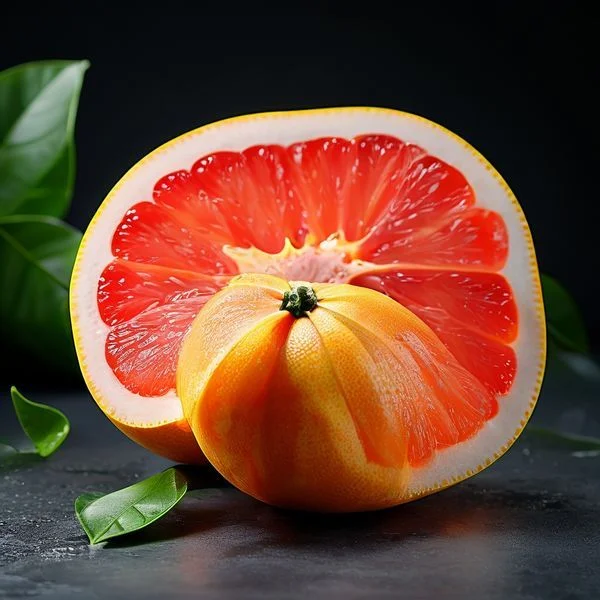
Grapefruit is a nutritional powerhouse, but its unique flavor profile—a complex blend of sour, sweet, and bitter—can be intimidating for beginners. Learning how to eat grapefruit effectively involves understanding its anatomy. Unlike an orange, the membranes separating the segments of a grapefruit are quite tough and contain high concentrations of naringin, the compound responsible for the fruit’s characteristic bitterness. This is why most preparation methods focus on isolating the juicy pulp while leaving the pith and membranes behind.
From a nutritional standpoint, incorporating this citrus into your diet is highly beneficial. A standard serving is low in calories but exceptionally high in vitamins A and C. People often choose to eat it raw during breakfast to jumpstart their metabolism, but it also serves as a vibrant addition to savory salads and seafood dishes. When selecting a fruit, look for ones that feel heavy for their size, as this indicates a higher juice content. The skin should be smooth and thin; thicker skins often mean more bitter pith and less fruit inside.
There are three primary varieties you might encounter: Ruby Red, Pink, and White. Ruby Red is generally the sweetest and most popular for eating fresh, while White grapefruit is significantly more tart and often preferred for juicing. Understanding these flavor profiles helps you decide whether you need to add enhancers like honey or agave nectar to your recipe. Whether you are consuming it for its health benefits or its refreshing taste, the goal is always to balance the acidity with the natural sugars found within the juice sacs.
How to Prepare a Classic Grapefruit: Instructions and Recipe
If you are looking for a simple yet elegant way to serve this fruit, the “halved and sectioned” method is the industry standard. It requires minimal tools and keeps the juice contained within the rind, making it a tidy breakfast option. Below is a simple guide to mastering the preparation.
Prep time: 5 minutes
Cooking time: 0 minutes (or 5 minutes if broiling)
Servings: 1-2
Calories: Approximately 52 calories per half
Ingredients:
- 1 fresh Ruby Red or Pink grapefruit
- Optional: 1 teaspoon of brown sugar, honey, or a pinch of sea salt
- Optional: A sprig of fresh mint for garnish
Instructions:
- Wash and Cut: Begin by rinsing the fruit under cold water. Place it on a stable cutting board and slice it in half horizontally (across the “equator,” not through the stem ends). This exposes all the segments clearly.
- Loosen the Perimeter: Take a small, sharp paring knife or a specialized grapefruit knife. Carefully slide the blade between the fruit pulp and the white rind all the way around the circumference. Be careful not to cut through the bottom of the peel.
- Section the Segments: Gently insert the knife between the individual segments and the thin membranes that separate them. By cutting along both sides of each membrane, you make it easy to lift the fruit out with a spoon.
- Seasoning (Optional): If the fruit is too tart, sprinkle your chosen sweetener over the top. For a unique twist, try a tiny pinch of salt; salt actually suppresses the brain’s perception of bitterness and makes the fruit taste sweeter.
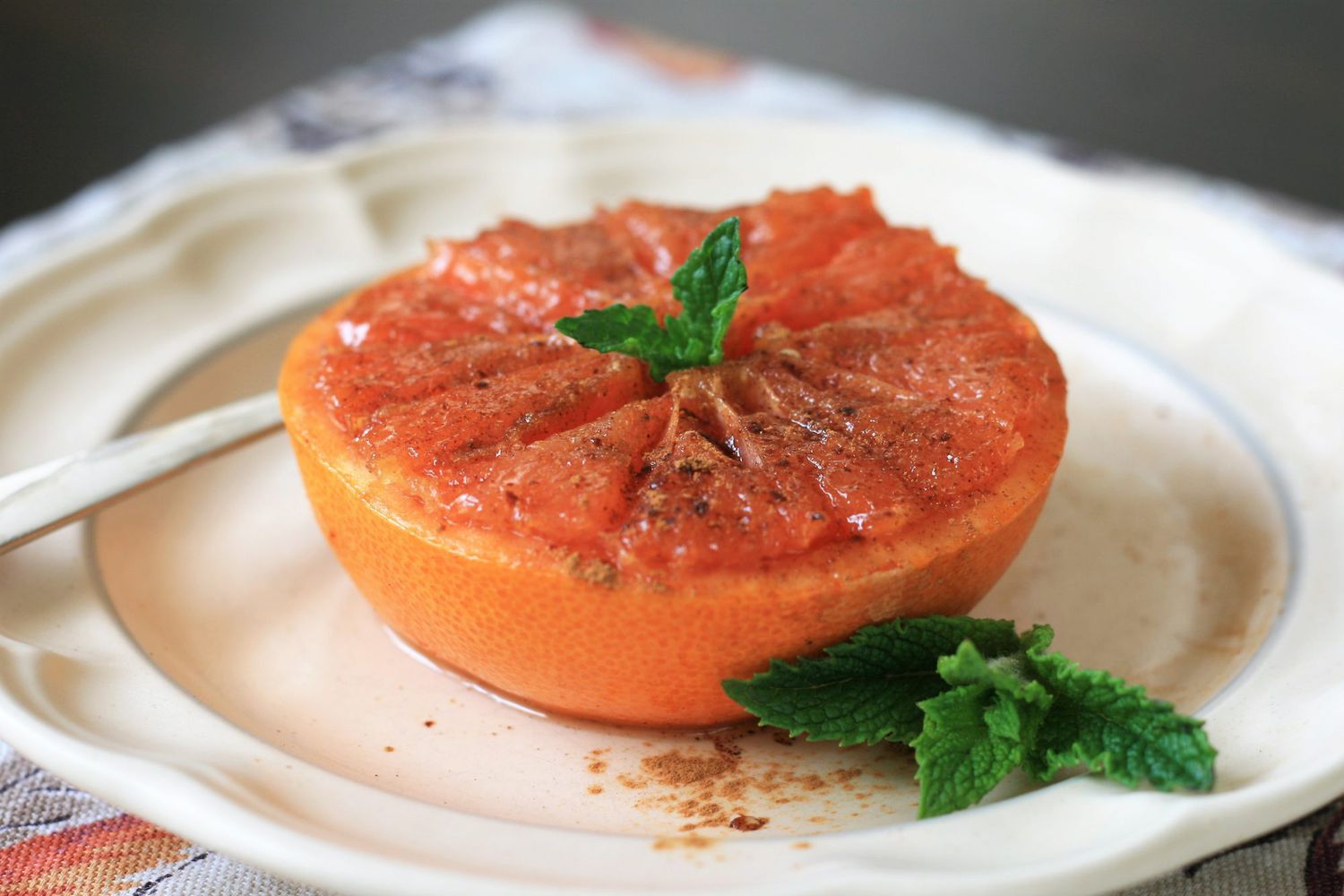
- The Broiling Alternative: If you prefer a warm dish, place the prepared halves on a baking sheet. Sprinkle with brown sugar and place under a broiler for 3 to 5 minutes until the sugar bubbles and browns. This creates a delicious “brulee” effect that transforms the texture of the fruit.
Important Considerations and Safety Precautions
While grapefruit is an incredibly healthy food, there are several important factors to consider before making it a regular part of your diet. The most critical consideration is the potential for drug interactions. Grapefruit contains compounds that inhibit an enzyme in the small intestine called CYP3A4, which helps break down many common medications. If this enzyme is blocked, the medication can enter the bloodstream in dangerously high concentrations. If you are taking statins, blood pressure medication, or certain anti-anxiety drugs, you must consult with a healthcare provider before consuming grapefruit or its juice.
Another consideration is the acidity level. Because it is highly acidic, eating it on an empty stomach may cause discomfort for individuals prone to acid reflux or heartburn. To mitigate this, consider pairing the fruit with a neutralizing food like Greek yogurt or oatmeal. Furthermore, the acid can be tough on tooth enamel. It is a best practice to rinse your mouth with plain water after eating citrus to help protect your teeth from erosion over time.
Lastly, avoid the mistake of over-sweetening. While a little sugar can balance the tartness, adding excessive amounts can negate the low-calorie benefits of the fruit. Try using natural alternatives like stevia or simply choosing the ripest fruit possible, as peak-season grapefruit rarely requires additional sugar.
- Store your grapefruit at room temperature if you plan to eat it within a few days; it stays juicier and more flavorful than when refrigerated.
- Use a serrated grapefruit spoon if possible. These spoons have tiny teeth at the tip that make it much easier to scoop out the segments without a mess.
- To get the most juice for a recipe, roll the fruit firmly against the counter with your palm before cutting it.
- Save the zest! The outer peel contains fragrant oils that are excellent for flavoring baked goods or sparkling water.
Conclusion
Learning how to eat grapefruit properly can turn a potentially bitter experience into a bright and refreshing culinary highlight. Whether you stick to the classic halved-and-spooned method, toss segments into a summer salad, or broil them with a touch of sugar for dessert, the key is to isolate the sweet pulp from the bitter membranes. Always remain mindful of potential medication interactions and acidity levels. By following these simple preparation steps and tips, you can enjoy all the nutritional benefits and vibrant flavors this unique citrus fruit has to offer.
❓ Frequently Asked Questions
1
How long does grapefruit last in fridge?
A whole grapefruit can last in the refrigerator for up to three weeks. Once cut, you should wrap it tightly in plastic wrap or place it in an airtight container, where it will stay fresh for about three to four days before the fruit begins to lose its quality.

2
Can I make this grapefruit recipe ahead of time?
You can prepare grapefruit segments the night before to save on prep time during your morning routine. Store them in a sealed container in the fridge. While the instructions are simple, eating it immediately ensures the best flavor and prevents the fruit from becoming too watery over time.
3
What can I substitute for sugar on grapefruit?
If you want to avoid refined sugar, try drizzling honey, maple syrup, or agave nectar over the fruit. For a calorie-free option, stevia works well. Interestingly, a tiny pinch of salt or even a dusting of cinnamon can enhance the natural sweetness of the ingredients.
4
How do I know when a grapefruit is ripe?
A ripe grapefruit should feel heavy for its size, indicating a high juice content. The skin should be smooth and slightly thin rather than thick and bumpy. Give it a gentle squeeze; it should have a slight give but shouldn’t feel soft, mushy, or bruised.
5
Can I freeze grapefruit for later?
Yes, you can freeze grapefruit, though the texture will change significantly. It is best to peel and segment the fruit first. Place the segments on a baking sheet to flash freeze, then transfer them to a freezer bag. They are perfect for smoothie recipes or infused water.