Pulp in Orange Juice: Ultimate Guide
Orange juice is more than just a breakfast staple; it is a sensory experience defined significantly by the presence—or absence—of pulp. Whether you prefer a smooth, velvety sip or a thick, textured drink that feels like eating the fruit itself, the pulp in orange juice plays a crucial role in both flavor and nutrition. In this guide, we dive deep into the science behind these citrus vesicles, exploring how they impact your health, the best ways to incorporate them into refreshing beverages, and why the debate between “no pulp” and “lots of pulp” remains one of the most polarizing topics in the kitchen. You will learn everything from the nutritional breakdown to creative culinary uses for that leftover citrus fiber.

Pulp contains the majority of an orange’s dietary fiber and flavonoids, which help regulate blood sugar absorption and provide a more satiating, hydrating, and nutritionally complete beverage compared to strained juice.
The Biological Anatomy of Pulp in Orange Juice
To understand the value of pulp, one must first understand what it actually is. In the botanical world, the pulp in orange juice consists of the juice sacs, also known as “vesicles,” and small fragments of the membranes that divide the orange segments. These vesicles are the storage units for the juice itself, and when they remain intact in your glass, they offer a burst of flavor with every sip.
When you peel an orange, you see the white, stringy material called the pith. While most commercial juicing processes try to minimize the pith to avoid bitterness, a small amount often makes it into high-pulp varieties. This material is rich in pectin, a type of soluble fiber. Unlike clear liquids, juice with pulp is a suspension of these solid particles within the liquid citrus. This suspension changes the viscosity of the drink, making it feel heavier and more substantial on the palate.
From a culinary perspective, this texture is often described as “rustic” or “fresh-squeezed.” When you use a manual juicer at home, you are likely to get a high concentration of these vesicles. In contrast, commercial “no pulp” juices undergo rigorous filtration and centrifugation to remove every trace of solid matter. The result is a thin, translucent liquid that lacks the structural complexity of its pulpy counterpart. However, for those who find the texture distracting, the removal of pulp creates a consistent, uniform liquid that is easier to mix into cocktails or use in precise baking recipes.
Nutritional Superiority: Why Pulp Matters for Health
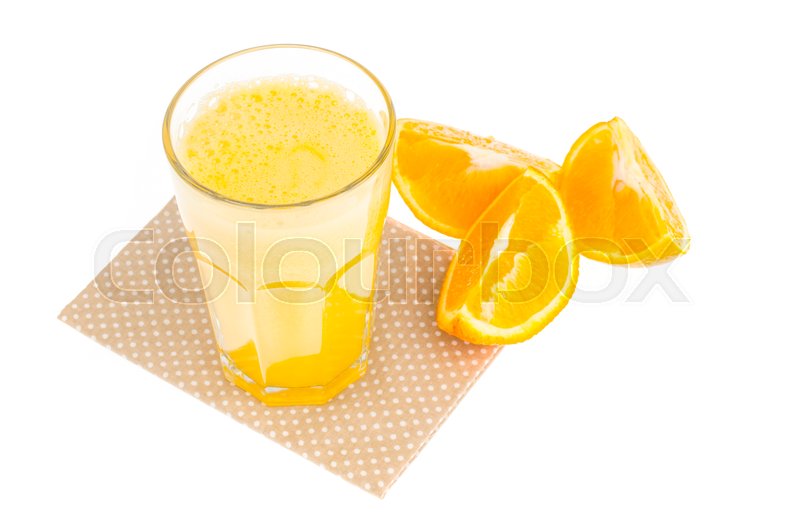
The primary argument for choosing pulp in orange juice is its nutritional profile. While standard orange juice is famous for Vitamin C, the pulp is where the fiber resides. A single glass of high-pulp orange juice can contain up to several grams of dietary fiber, which is almost entirely absent in strained versions. This fiber is essential for digestive health, but its most significant benefit in a beverage context is its impact on the glycemic index.
When you drink juice without pulp, the natural sugars (fructose) are absorbed almost instantly into the bloodstream, leading to a rapid spike in insulin. The presence of fiber in pulpy juice slows down the digestion and absorption of these sugars. This results in a more gradual rise in blood sugar levels, making it a smarter choice for long-term energy management and metabolic health. Furthermore, the pulp is dense with bioflavonoids like hesperidin. These compounds have been studied for their antioxidant and anti-inflammatory properties, potentially aiding in cardiovascular health and reducing blood pressure.
| Feature | High Pulp | No Pulp (Strained) |
|---|---|---|
| Fiber Content | High (Pectin & Cellulose) | Minimal to None |
| Glycemic Impact | Lower/Gradual | Higher/Rapid Spike |
| Flavonoid Levels | Concentrated | Diluted |
| Mouthfeel | Thick and Textured | Thin and Smooth |
Beyond the fiber, pulp helps the juice feel more hydrating. Because the body processes the liquid more slowly, the water content is utilized over a longer period. For those looking to maximize their nutrient intake, opting for “extra pulp” is the closest experience to eating a whole orange while still enjoying the convenience of a chilled beverage.
Creative Ways to Use High-Pulp Juice in the Kitchen
Pulp in orange juice isn’t just for drinking straight from the carton; it is a versatile ingredient that can be used to enhance various recipes. If you find yourself with a container of pulp-heavy juice, consider using a blender to create a frothy, aerated citrus foam. By blending the juice on high speed for thirty seconds, the fiber helps trap air, creating a “creamy” texture without the need for dairy. This is particularly effective when making a breakfast smoothie where you want a thick consistency that holds up against other ingredients like spinach or protein powder.
For a truly refreshing treat during the warmer months, you can turn pulpy juice into frozen snacks. Pour the juice into popsicle molds and freeze them solid. The pulp creates a much more pleasant texture in a frozen state than strained juice, which can sometimes turn into a hard, icy block. The bits of citrus fiber give the popsicle a “sorbet-like” bite that is both satisfying and hydrating. You can even take it a step further by making an orange granita. Simply pour the juice into a shallow pan, place it in the freezer, and scrape it with a fork every thirty minutes until it forms light, fluffy crystals.
In the world of mixology, pulp can be a controversial addition. While a classic mimosa typically calls for strained juice to maintain the carbonation of the champagne, a “Rustic Mimosa” utilizes high-pulp juice to provide a more artisanal feel. When serving these drinks, always ensure they are properly chilled. Adding a few cubes of ice and a fresh mint garnish or an orange wheel can elevate the presentation, making the textured juice feel like a deliberate, gourmet choice rather than a standard grocery item.
The Sensory Science: Why We Love or Hate Texture
The divide between pulp lovers and pulp haters is often rooted in sensory processing. For some, the texture of pulp in orange juice is a sign of authenticity. It signals that the juice is “real” and minimally processed. This group enjoys the mechanical action of “chewing” their drink slightly, which can increase satiety. Psychologically, the presence of solids in a liquid can make the brain perceive the beverage as a meal, which is why many people find a glass of pulpy juice more filling than a cup of coffee or tea.
On the other hand, many people experience a sensory aversion to pulp. This is often linked to the expectation of what a “liquid” should be. If the brain expects a smooth, hydrating experience and encounters solid particles, it can trigger a mild “contamination” reflex. This is similar to finding a piece of shell in a bowl of scrambled eggs. For these individuals, the pulp feels like an interference with the pure, refreshing taste of the citrus.
Interestingly, temperature plays a huge role in how we perceive this texture. When orange juice is served extremely chilled, the pulp feels crisper and more distinct. As the juice warms up, the fiber can become somewhat soft or “mushy,” which is often less appealing even to those who generally enjoy pulp. This is why keeping your juice at a consistent, cold temperature is vital for the best drinking experience.
Expert Tips for Managing Juice Pulp
Professional chefs and nutritionists often have specific ways of handling citrus pulp to get the most out of it. If you have purchased juice that is too pulpy for your liking, you don’t have to throw it away. You can use a fine-mesh sieve to strain it, but don’t discard the solids! That collected pulp is packed with flavor and fiber. You can stir it into yogurt, add it to oatmeal, or even mix it into muffin batter for a boost of natural orange aroma and moisture.
When shopping, look for “cold-pressed” varieties if you want the highest quality pulp. Cold-pressing doesn’t use heat, which means the delicate enzymes and the structural integrity of the vesicles remain intact. This results in a juice that tastes significantly more refreshing and “alive” than pasteurized versions. If you are juicing at home, try to use a variety of oranges. Navel oranges provide a lot of sweet pulp, while Valencia oranges are the gold standard for juice volume. Mixing the two can create a balanced, textured beverage that is both hydrating and delicious.
- If your juice is too thick, run it through a blender with a few cubes of ice to emulsify the pulp for a smoother, frappe-like consistency.
- Always serve high-pulp juice chilled; cold temperatures keep the fiber vesicles firm and provide a more refreshing mouthfeel.
- Use an orange peel garnish to release essential oils over the surface of the juice, which complements the floral notes found in the pulp.
- For a hydrating post-workout drink, mix pulpy orange juice with a splash of coconut water to balance the natural sugars with electrolytes.
Conclusion
Whether you view pulp in orange juice as a nutritional goldmine or a textural nuisance, there is no denying its impact on the beverage experience. By retaining the natural fiber and flavonoids of the fruit, pulpy juice offers a more complete nutritional profile and a lower glycemic impact than its strained counterparts. From being used in a blender for thick smoothies to being frozen into refreshing summer treats, the versatility of citrus pulp is unmatched. Ultimately, the best way to enjoy it is chilled, perhaps with a simple garnish, ensuring every sip is as hydrating and flavorful as nature intended. Choose the pulp level that suits your palate and enjoy the functional benefits of this citrus powerhouse.
❓ Frequently Asked Questions
1
How long does orange juice with pulp last in fridge?
Fresh orange juice with pulp typically lasts between 3 to 5 days when stored in an airtight glass container in the refrigerator. Because the pulp contains organic matter that can settle and ferment, it is important to shake the juice well before serving to redistribute the flavor and nutrients.

2
Can I make pulpy orange juice ahead of time?
You can certainly make it ahead of time, but for the most refreshing experience, consume it within 24 hours. Vitamin C is sensitive to light and air, so keeping it in a sealed, dark container helps maintain its nutritional profile and keeps the juice tasting bright and delicious.
3
What can I substitute for a blender to get pulp?
If you do not have a blender, a manual citrus reamer or a hand-press juicer is the best substitute. These tools allow the juice sacs to fall into the glass while only catching the seeds, ensuring you get a hydrating drink filled with natural, healthy orange pulp.
4
How do I know when orange juice with pulp is done?
The juice is ready once you have extracted all the liquid and reached your desired pulp-to-liquid ratio. If using a blender, a quick 10-second pulse is usually enough to break down the segments without turning the mixture into a complete puree, keeping that signature pulpy texture intact.
5
Can I freeze orange juice with pulp?
Yes, you can freeze it for up to four months. Freezing it in ice cube trays is a great way to create refreshing additions for future drinks. While the texture of the pulp may soften slightly after thawing, the hydrating properties and sweet citrus taste will remain largely unchanged.