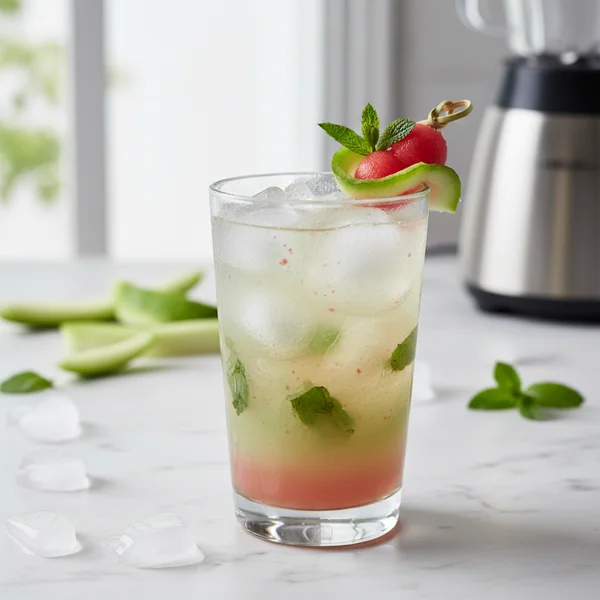
Can You Juice the Core of a Pineapple? Easy Guide
Yes, you can absolutely juice the core of a pineapple. In fact, the core contains the highest concentration of bromelain, a powerful enzyme with anti-inflammatory properties that is often lost when we discard the center. While the core is too fibrous to enjoy eating raw, a juicer effectively extracts its nutrient-dense liquid. Juicing the core is an excellent way to reduce food waste while creating a refreshing and hydrating beverage packed with vitamins and minerals.

Why You Should Be Juicing the Pineapple Core
When most people prepare a pineapple, they instinctively carve out the tough, woody center and toss it into the compost bin. However, from a nutritional and culinary standpoint, the core is a hidden gem. While the golden flesh of the fruit provides the sugary sweetness we crave, the core offers a different set of benefits. It is slightly less sweet and much more fibrous, but when processed through a juicer, it yields a liquid that is both hydrating and incredibly healthy.
The primary scientific reason to juice the core is the presence of bromelain. This enzyme is a natural protein-digester that has been studied for its ability to reduce swelling, improve digestion, and even help with sinus issues. Because bromelain is concentrated in the stem and the core, juicing these parts ensures you are getting the maximum medicinal value from the fruit. Furthermore, the juice from the core adds a wonderful depth to your drinks. It possesses a slightly “greener” and more earthy flavor than the outer flesh, which can balance the intense sugar levels of a fully ripe pineapple.
From a practical perspective, juicing the core is about efficiency. Pineapples can be expensive and involve a fair amount of prep work. By utilizing the core, you increase your total juice yield by nearly 10 to 15 percent. This extra liquid can be used as a base for a chilled summer punch or stored for later use. If you don’t have a dedicated juicer, you can even use a high-speed blender. By blending the core with a bit of water or coconut milk and then straining the pulp through a fine-mesh nut milk bag, you can extract every drop of that refreshing nectar without the woody texture.
Step-by-Step Guide to Juicing a Pineapple Core
Extracting juice from the core requires a slightly different approach than the soft flesh to protect your equipment and ensure the best flavor. Follow these steps to get the most out of your fruit:
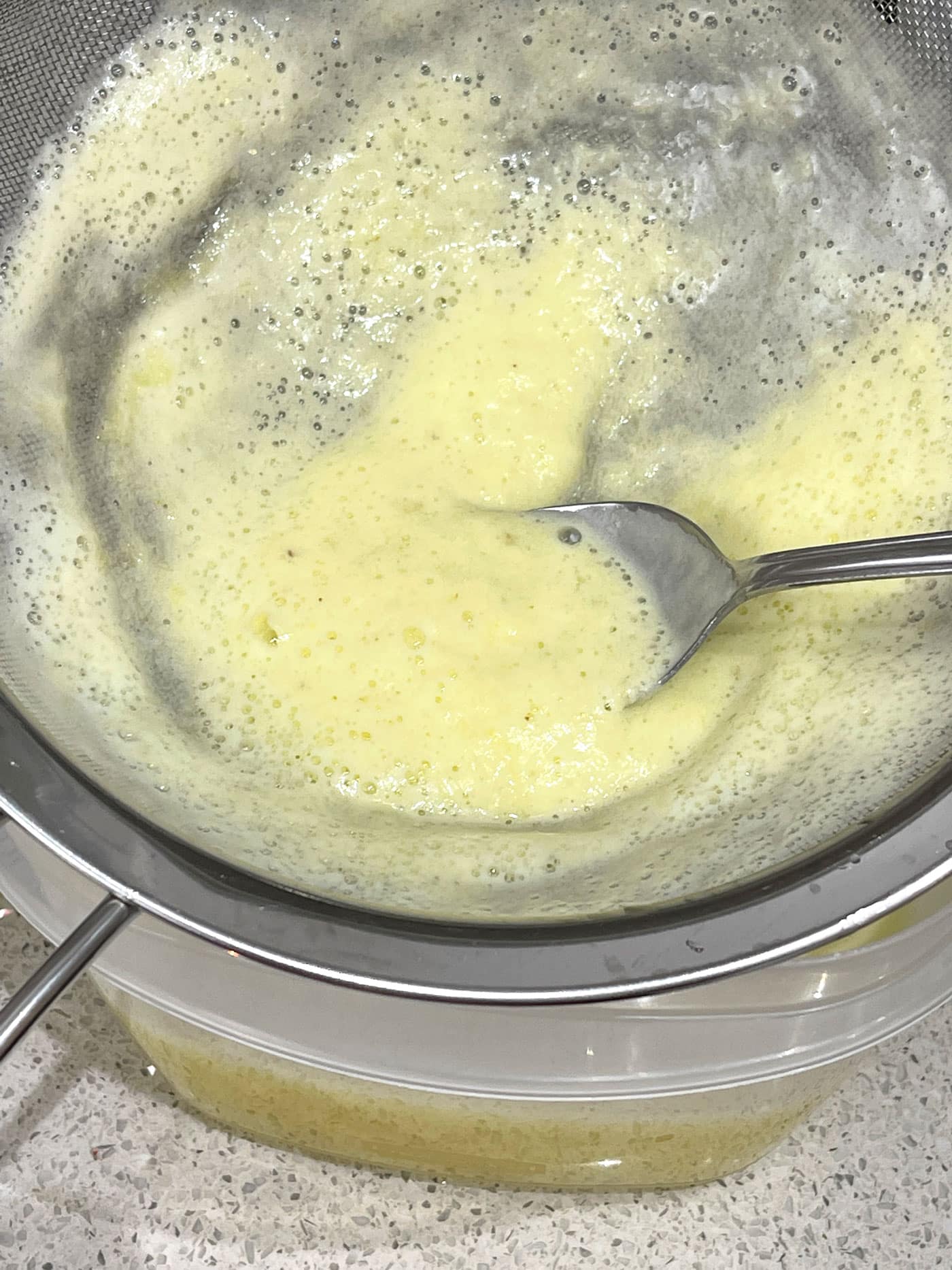
- Preparation and Cleaning: Start by thoroughly washing the exterior of the pineapple. Even though you aren’t juicing the skin, your knife will pass through the skin into the core, and you want to avoid transferring any bacteria or pesticides. Cut off the green crown and the base so the pineapple can stand upright.
- Slicing the Core: Cut the skin off the sides of the pineapple. Once you have the yellow fruit exposed, slice the flesh away from the center core in four large planks. Set the soft flesh aside for snacking or separate juicing. You will be left with a long, cylindrical stalk.
- Size Matters: Depending on the power of your kitchen tools, you may need to dice the core. If you are using a masticating juicer, cut the core into thin “spears” about the size of a carrot. If you are using a high-speed blender, chop the core into small half-inch cubes to ensure the blades can catch them without stalling.
- The Extraction Process: Feed the core pieces into your juicer slowly. If you are blending, add a splash of liquid (water or coconut water) to help the blades move. Process until the mixture is as smooth as possible.
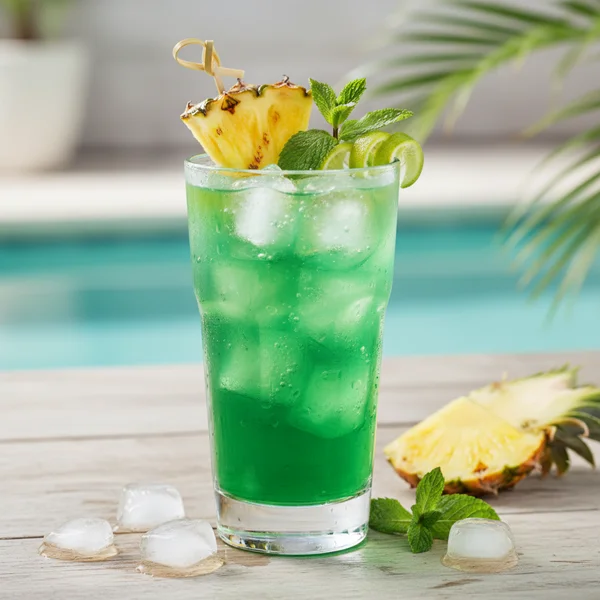
- Straining and Serving: If you used a blender, pour the mixture through a strainer or cheesecloth to remove the gritty fibers. Serve the resulting liquid over plenty of ice for a crisp, chilled drink. You can even use a small wedge of the outer fruit as a garnish on the rim of the glass to make it look professional.
Important Considerations for Juicing Tough Fibers
While juicing the core is highly recommended, there are a few things to keep in mind to ensure you don’t damage your appliances or end up with a drink that is too bitter. First, consider the type of juicer you own. Centrifugal juicers, which use high-speed spinning blades, may struggle with the very dense fibers of an older pineapple core, potentially leading to a “wet” pulp that still contains a lot of juice. Masticating juicers (cold-press) are much more efficient at “chewing” through the core to extract every bit of moisture.
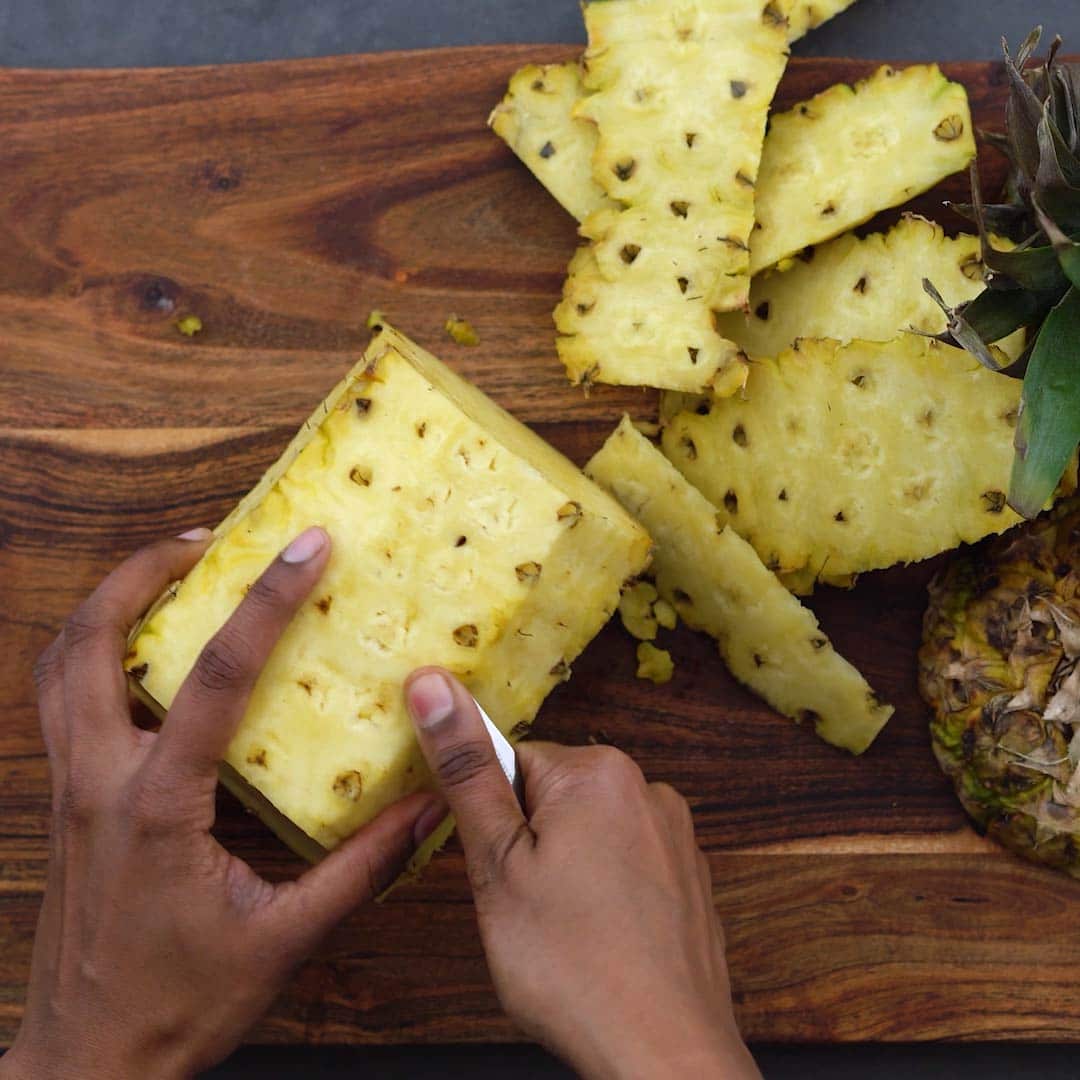
Another consideration is the flavor balance. The juice from the core alone can be a bit astringent or “woody” compared to the juice from the flesh. For the best refreshing experience, it is usually better to mix the core juice with the flesh juice. This creates a well-rounded flavor profile that is sweet but grounded. Also, be mindful of the acidity. Pineapple is naturally high in acid, and the core is no exception. If you have a sensitive stomach, drinking pure pineapple core juice on an empty stomach might cause slight discomfort; diluting it with water or mixing it into a hydrating green juice can help.
Finally, think about storage. Fresh pineapple juice, especially when it includes the enzyme-rich core, can ferment or oxidize quickly. It is best enjoyed immediately. If you have leftover core pieces that you aren’t ready to juice yet, you can keep them frozen in a sealed bag. These frozen chunks can then be popped directly into a blender later to create a slushy, chilled treat that acts as its own ice.
- Freeze for Smoothies: If you don’t want to juice the core immediately, cut it into small pieces and keep them frozen. They make a great hydrating addition to morning smoothies.
- Infused Water: If you find the juice too thick, drop frozen core slices into a pitcher of water for a subtle, refreshing pineapple infusion.
- Garnish Ideas: Save a thin cross-section of the core to use as a garnish. It stays firm in liquid and looks beautiful on a chilled cocktail.
- Balance the Heat: Pineapple core juice pairs perfectly with a pinch of tajin or ginger for a spicy, refreshing kick.
Conclusion
Juicing the core of a pineapple is a smart, health-conscious move that every home cook should consider. Not only does it provide a concentrated dose of the anti-inflammatory enzyme bromelain, but it also ensures that you are getting the most value out of your produce. Whether you are using a high-powered blender to create a frozen tropical treat or a cold-press juicer for a chilled, hydrating afternoon pick-me-up, the core is a versatile ingredient. By following a few simple prep steps and serving your creation over ice with a beautiful garnish, you can turn what was once considered “scraps” into a gourmet, refreshing beverage.
❓ Frequently Asked Questions
1
How long does pineapple core juice last in fridge?
Fresh pineapple core juice is best enjoyed immediately to maximize nutrient density. However, you can store it in an airtight glass jar in the refrigerator for up to 24 hours. Shake well before drinking, as natural separation will occur over time due to the fiber content.
2
Can I make pineapple core juice ahead of time?
You can prepare the core by chopping it into chunks ahead of time and storing it in the fridge or freezer. For the best taste, wait to blend or juice it until you are ready to serve. Frozen chunks make the final drink even more refreshing and chilled.
3
What can I substitute for a high-powered blender?
If you do not have a high-powered blender, a standard juicer works perfectly for extracting liquid from the tough core. Alternatively, you can grate the core finely and squeeze it through cheesecloth, though this is more labor-intensive than using a motorized kitchen appliance to break down the fibers.
4
How do I know when the juice is done?
If using a blender, the mixture is ready when it appears completely liquefied and uniform in color. If you prefer a pulp-free beverage, the process is finished once you have strained the liquid through a fine-mesh sieve or nut milk bag to remove the remaining fibrous bits.
5
Can I freeze pineapple core juice?
Yes, you can freeze the juice in ice cube trays for long-term storage. These pineapple cubes are perfect for adding to smoothies or water later on. They will stay fresh for up to three months in the freezer when stored in a sealed, freezer-safe container.