Catering Fruit Platter Presentation Ideas: Ultimate Guide
When it comes to high-end events, the visual appeal of the food is just as important as the taste. Mastering catering fruit platter presentation ideas allows you to transform simple nature-made sweets into a sophisticated centerpiece that guests will remember. A well-designed fruit display does more than offer a healthy snack; it adds a burst of vibrant color to the buffet table and accommodates various dietary needs, from vegan to gluten-free. In this guide, we will explore professional techniques to elevate your fruit displays, focusing on color theory, structural balance, and the subtle details that separate a basic grocery store tray from a professional catering masterpiece. You will learn how to choose the right seasonal produce and arrange them with architectural precision.
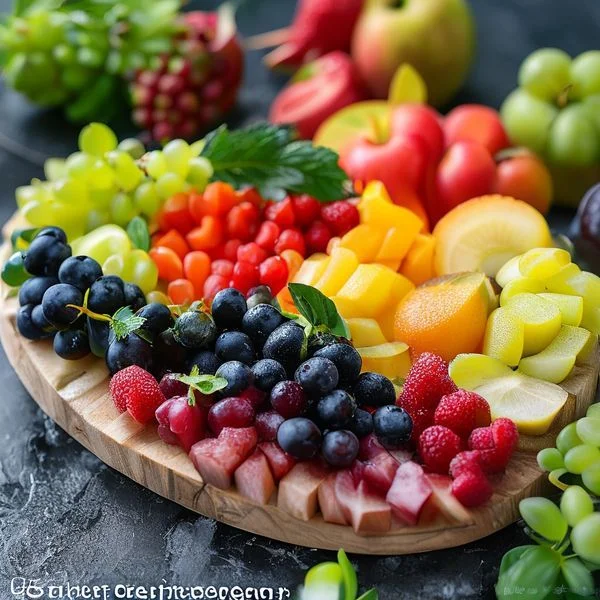
Effective fruit platter presentation relies on a “radial” or “gradient” layout, high-contrast color blocking, and the use of height to create a three-dimensional visual experience that stays fresh throughout the event.
Strategic Color Blocking and Geometric Layouts
One of the most effective catering fruit platter presentation ideas is the use of strategic color blocking. Instead of a haphazard mix, grouping fruits by their specific hue creates a clean, organized look that feels intentional and upscale. For instance, placing a dense cluster of deep purple blackberries next to bright green kiwi slices creates an immediate visual “pop.” This technique is often used in modern catering to guide the eye across the platter.
Beyond simple groupings, consider the geometry of your tray. You can organize your ingredients in a rainbow gradient, starting with red strawberries at one end and transitioning through orange cantaloupe, yellow pineapple, and green honeydew to blue and purple grapes. Alternatively, a radial design—where the fruit fans out from a central point, such as a carved melon bowl or a signature dip—works exceptionally well for round platters. To ensure consistency across multiple servings, use uniform cuts for each fruit type, which helps maintain the geometric integrity of the design.
| Platter Style | Best For | Visual Effect |
|---|---|---|
| Gradient/Rainbow | Large Buffet Tables | Seamless, flowing transition |
| Monochromatic | Minimalist Events | Sleek and sophisticated |
| Symmetrical Radial | Round Table Centers | Balanced and classical |
Advanced Cutting Techniques for Visual Texture
The way fruit is sliced significantly impacts the overall aesthetic. Standard cubes are efficient but can look uninspired. To elevate the presentation, incorporate varying textures through advanced cutting techniques. Use a mandoline for paper-thin slices of apple or pear (dipped in lemon water to prevent browning), and a crinkle cutter for firm fruits like melon to add ridges that catch the light. Starfruit, when sliced crosswise, provides a natural, repeating star pattern that works perfectly as a decorative border.

Consider the “fan” technique for strawberries and plums: slice the fruit almost all the way through, then gently press to spread the sections out like a deck of cards. This adds volume and a sense of movement to the tray. Dragon fruit is another catering favorite; its speckled white flesh and vibrant pink skin provide a dramatic contrast when cut into thick wedges or scooped into perfect spheres with a melon baller. These details require a bit more prep time, but they are essential for creating a high-end atmosphere where the fruit looks almost too good to eat.

Creating an Architecture of Fruit: Height and Depth
A common mistake in fruit platter design is keeping everything on a flat, two-dimensional plane. Professional caterers use height to make the display more dynamic. You can achieve this by using a tiered stand or by “building” the platter upward. For example, use a hollowed-out pineapple shell as a central vessel for fruit skewers or berries. This naturally draws the eye upward and adds a tropical, architectural element to the table.
Another method to add depth is the use of “overflow” styling. Instead of keeping every piece of fruit perfectly contained, allow some elements—like long strands of red currants or draped clusters of champagne grapes—to spill slightly over the edges of the platter or smaller bowls nestled within the tray. This creates a lush, bountiful appearance reminiscent of a classical still-life painting. Incorporating non-fruit elements like fresh mint sprigs, edible flowers (such as pansies or violas), or even cinnamon sticks can provide a grounding, earthy contrast to the bright colors of the fruit.
The Signature Catering Fruit Platter Blueprint
To create a standard professional platter, follow this reliable recipe for success. This method focuses on balance and variety, ensuring every guest finds something they enjoy while keeping the assembly process efficient.
- Prep time: 40 minutes
- Cooking time: 0 minutes
- Servings: 15-20 people
- Calories: Approximately 95 per serving
The ingredients should include a mix of base fruits (melons, pineapple), focal fruits (berries, grapes), and accent fruits (kiwi, starfruit, pomegranate seeds). Following the instructions is simple: Start by placing your tallest element in the center. Surround it with large wedges of melon to create a foundation. Fill the gaps with smaller clusters of grapes and sliced kiwi. Finally, garnish with “jewels”—scattered blueberries and pomegranate seeds—to fill any remaining negative space. This layered approach ensures the platter looks full and appetizing from every angle, even as guests begin to serve themselves.
Expert Tips for Long-Lasting Freshness
Maintaining the integrity of a fruit platter during a long event is a primary concern for caterers. High-water content fruits like watermelon can weep, creating a messy base. To avoid this, place a thin layer of absorbent parchment paper or a bed of kale leaves under the juicier fruits. Furthermore, temperature control is vital; if the event is outdoors, consider nesting the fruit platter inside a slightly larger tray filled with crushed ice to keep the produce crisp and food-safe.
Professional caterers also recommend “sealing” certain fruits. While you shouldn’t use heavy glazes, a light mist of diluted honey or an apricot nectar wash can give the fruit a professional “patisserie” shine and prevent the surfaces from drying out under air conditioning. Always prepare the most delicate items, like raspberries and blackberries, last to prevent bruising during the assembly process.
- Use a 50/50 mix of lemon juice and water for apples, pears, and bananas to prevent oxidation for up to 4 hours.
- Keep the stems on strawberries whenever possible; the green tops provide a natural color contrast and act as a built-in handle for guests.
- Organize by “eating style”—place fruits that require a fork on one side and “finger-friendly” fruits like grapes and berries on the other.
Mastering catering fruit platter presentation ideas is a blend of culinary skill and artistic vision. By focusing on color blocking, utilizing varied cutting techniques, and building height, you can turn a standard healthy snack into a sophisticated event highlight. Remember that the best platters balance aesthetic beauty with practical accessibility for the guests. Whether you are catering a small corporate brunch or a grand wedding, these professional styling methods will ensure your fruit displays are fresh, vibrant, and undeniably impressive.
❓ Frequently Asked Questions
1
How long does a fruit platter last in the fridge?
A fruit platter typically lasts 1 to 2 days in the fridge when covered tightly with plastic wrap. However, for the best presentation and texture, it is recommended to assemble the platter as close to the serving time as possible to prevent juice leakage and wilting.
2
Can I make a fruit platter ahead of time?
Yes, you can prep the individual ingredients up to 24 hours in advance and store them in separate containers. For the freshest appearance, assemble the actual platter 2 to 4 hours before your event starts to ensure the fruit remains crisp, vibrant, and visually appealing for guests.
3
What can I substitute for dragonfruit?
If you cannot find dragonfruit, starfruit or kiwi are excellent substitutes for adding a unique shape and tropical flair. Both provide a similar visual ‘wow’ factor that is essential for catering fruit platter presentation ideas while offering a refreshing taste that pairs well with berries and melons.
4
How do I know when the fruit is perfectly ripe?
Melons should have a sweet aroma at the stem end, and berries should be firm with bright, uniform color. Avoid any fruit with soft spots or dull skin. Checking ripeness ensures your platter tastes as good as it looks, which is the ultimate goal for any presentation.
5
Can I freeze a fruit platter?
Freezing a fully assembled fruit platter is not recommended because the texture of fresh fruit changes significantly once thawed, becoming mushy. However, you can freeze leftover fruit pieces to use later in smoothies or baking, ensuring that none of your high-quality ingredients go to waste after the event.