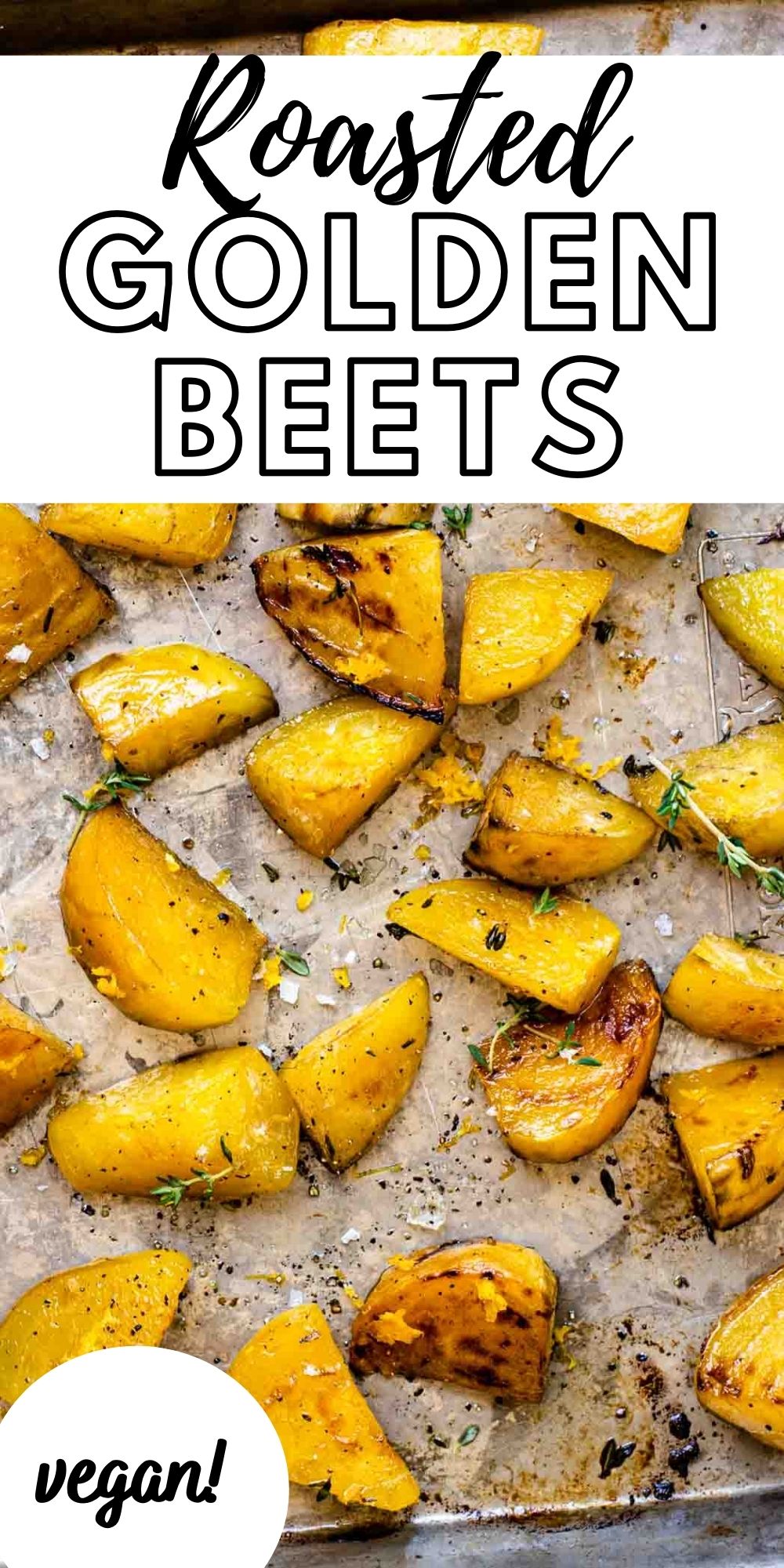
Roasted Golden Beets Recipe: Perfect & Simple
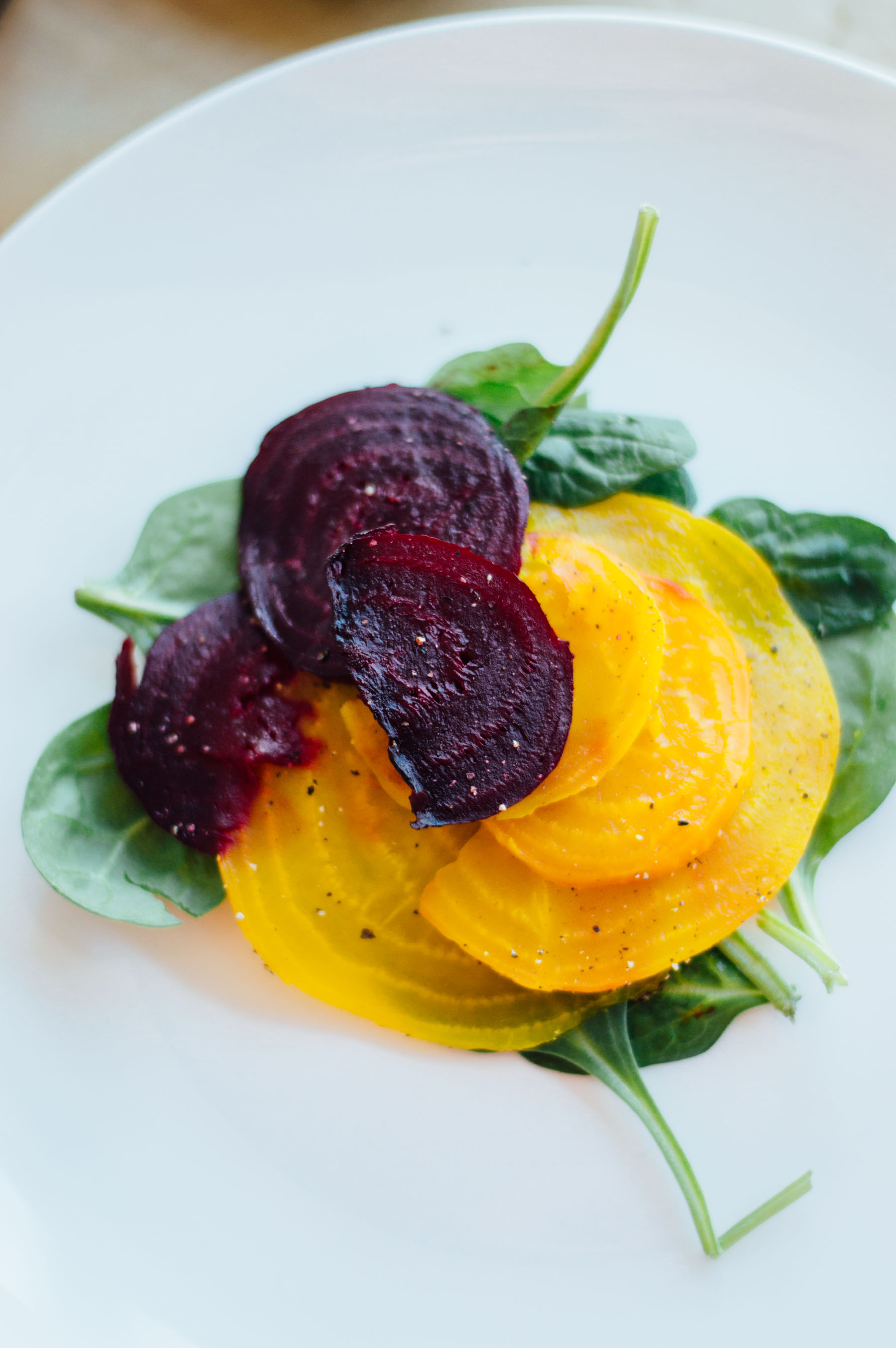
Imagine a plate filled with vibrant, sun-drenched jewels that offer a delicate balance of earthy richness and honey-like sweetness. If you have ever been hesitant about beets due to the intense “earthy” flavor of the red variety, this roasted golden beets recipe is about to change your culinary world forever. Golden beets are the milder, more sophisticated cousin of the traditional red beet, boasting a buttery texture and a mellow flavor profile that caramelizes beautifully in the oven. When roasted to perfection, these root vegetables transform into tender morsels that pair exquisitely with bright citrus and savory herbs. Whether you are looking for a show-stopping centerpiece for a vegetarian feast or a nutrient-dense foundation for a hearty bowl, this dish delivers an explosion of color and taste that appeals to everyone from picky eaters to gourmet enthusiasts.
- ⏱️ Prep Time: 10 minutes
- 🍳 Cook Time: 45 minutes
- 👥 Servings: 4 servings
- 📊 Difficulty: Easy
Ingredients For Roasted Golden Beets
To ensure this recipe functions as a satisfying main course, we have curated a list of ingredients that balance complex carbohydrates with essential fats and fiber. To turn this from a simple side dish into a complete meal, you can easily incorporate your favorite protein source.
For the Roasted Beets:
- 2 pounds large golden beets (approximately 4 to 5 medium-sized beets)
- 3 tablespoons high-quality extra virgin olive oil
- 1 teaspoon flaky sea salt or kosher salt
- 1/2 teaspoon freshly cracked black pepper
- 2 cloves garlic, finely minced
- 1 tablespoon fresh thyme leaves (or 1 teaspoon dried thyme)
- 1 tablespoon fresh rosemary, finely chopped
For the Brightening Marinade and Toppings:
- 2 tablespoons fresh lemon juice (about half a large lemon)
- 1 teaspoon lemon zest
- 1/4 cup crumbled feta cheese or goat cheese (optional for creamy saltiness)
- 1/4 cup toasted walnuts or pepitas for a necessary crunch
- 2 cups cooked quinoa or farro (to serve as the grain base)
- Optional Protein: 1 can (15 oz) chickpeas, drained and patted dry, or 12 oz of grilled tofu/chicken
Step-by-Step Instructions
The secret to a successful roasted golden beets recipe lies in the preparation and the consistency of your knife work. Follow these detailed steps to ensure a perfect result every single time.
Step 1: Preheat and Prep Your Pan
Begin by preheating your oven to 400 degrees Fahrenheit (200 degrees Celsius). A hot oven is essential for achieving those crisp, caramelized edges. While the oven is heating, line a large, rimmed baking sheet with parchment paper or a silicone baking mat. This not only prevents sticking but also makes cleanup much easier. If you prefer a deeper caramelization, you can apply a light coating of oil directly to the pan, but parchment is the safest bet for easy handling.
Step 2: Prepare the Golden Beets
Wash the beets thoroughly under cold running water to remove any lingering soil. Trim off the green tops (save them for a sauté later!) and the root ends. Using a sturdy vegetable peeler, remove the skin from each beet. You will notice that golden beets do not stain your hands nearly as much as red ones, which makes the prep process much cleaner. Once peeled, cut the beets into uniform 1-inch cubes. Keeping the size consistent is vital for a uniform cooking time; smaller pieces will burn while larger ones remain hard in the center.
Step 3: Create the Seasoning and Marinade
In a large mixing bowl, combine the olive oil, minced garlic, salt, pepper, thyme, and rosemary. This mixture acts as both a seasoning and a light marinade that will infuse the vegetables with aromatics as they roast. If you are including chickpeas as your primary protein, add them to the bowl now so they can be coated in the same flavorful oil. Whisk the ingredients together until the herbs are evenly distributed throughout the oil.
Step 4: Toss and Coat
Add the cubed golden beets to the bowl. Use your hands or a large spatula to toss the beets thoroughly. Ensure every single cube is glistening with the oil and herb mixture. This coating is what facilitates the Maillard reaction, giving you those delicious browned edges. If the beets look dry, don’t hesitate to add an extra drizzle of olive oil.
Step 5: Arrange on the Baking Sheet
Spread the seasoned beets (and chickpeas, if using) onto your prepared baking sheet in a single layer. It is crucial not to crowd the pan. If the pieces are too close together, they will steam instead of roast, resulting in a mushy texture rather than a crisp one. If necessary, use two baking sheets to give the vegetables plenty of “breathing room.”
Step 6: The Roasting Process
Place the pan in the center of the oven. Set your timer for an initial cooking time of 20 minutes. At the 20-minute mark, use a spatula to flip and stir the beets. This ensures that all sides make contact with the hot pan. Return them to the oven for another 20 to 25 minutes.
Step 7: Testing for Doneness
As the clock nears the 45-minute mark, check the beets for tenderness. While we don’t typically measure the internal temperature of a vegetable with a probe, the beets are perfectly roasted when a fork slides into the center of a cube with zero resistance. The edges should be a deep golden brown, almost bronzed. If you are using a meat-based protein alongside this dish, ensure its internal temperature reaches safe levels (165°F for chicken) before serving.
Step 8: The Finishing Touch and Resting Time
Once you remove the pan from the oven, immediately sprinkle the lemon zest and lemon juice over the hot beets. The residual heat will help the lemon flavor penetrate the vegetables. Allow for a resting time of about 5 minutes on the pan. This resting time is essential as it allows the juices to redistribute and the flavors to settle.
Step 9: Assemble the Main Course
To serve as a main course, portion the cooked quinoa or farro into four bowls. Top with a generous serving size of the roasted golden beets and chickpeas. Garnish with the crumbled feta and toasted walnuts. The warmth of the beets will slightly soften the cheese, creating a luxurious sauce-like consistency.
To get the best results, always dry your beets thoroughly after washing and before peeling. Any excess moisture on the surface will create steam in the oven, preventing the beets from getting that sought-after roasted crunch. Additionally, if you find your beets are browning too quickly, cover the pan loosely with foil for the last 10 minutes of roasting to allow the centers to soften without burning the exterior.
Variations & Substitutions
This roasted golden beets recipe is incredibly versatile and can be adapted to suit various dietary needs or flavor preferences. For a vegan-friendly version, simply omit the feta cheese or replace it with a dollop of creamy tahini dressing or a sprinkle of nutritional yeast for that savory kick.
If you prefer a different flavor profile, try an Asian-inspired seasoning by swapping the rosemary and thyme for ginger and sesame oil, finishing the dish with a drizzle of soy sauce and toasted sesame seeds. For those who enjoy a bit of heat, adding a pinch of crushed red pepper flakes to the initial marinade provides a wonderful contrast to the natural sweetness of the beets. If golden beets are unavailable, you can use red beets or even parsnips, though the cooking time may vary slightly depending on the density of the vegetable.
Storage & Make Ahead
If you have leftovers, they make for an incredible cold salad the next day. Store the roasted beets in an airtight container in the refrigerator for up to 4 to 5 days. For the best texture, store the grains, protein, and beets separately and assemble just before eating.
While you can freeze roasted beets for up to 3 months, the texture will become much softer upon thawing, making them better suited for pureed soups rather than a standalone dish. For make-ahead prep, you can peel and chop the beets up to 2 days in advance; just keep them in a sealed bag with a damp paper towel to maintain freshness until you are ready to roast.
Serving Size: 1 Bowl | Calories: 345 | Protein: 12g | Net Carbs: 38g | Dietary Fiber: 9g | Healthy Fats: 14g
Note: Nutritional values are estimates based on the inclusion of quinoa and chickpeas.
Whether you serve this as a vibrant side dish for a holiday gathering or enjoy it as a nutritious, protein-packed main course on a weeknight, these roasted golden beets are sure to become a staple in your kitchen. The combination of sweet, caramelized root vegetables with the bright acidity of lemon and the crunch of toasted nuts creates a harmony of flavors that is as satisfying as it is beautiful. Enjoy the process of cooking with the seasons and bringing a bit of golden sunshine to your dinner table!
❓ Frequently Asked Questions
1
How long does roasted golden beets last in fridge?
Properly stored in an airtight container, roasted golden beets will stay fresh in the refrigerator for up to 5 days. This makes them an excellent option for meal prepping throughout the week. You can enjoy them cold in salads or reheat them quickly in the oven or microwave.
2
Can I make roasted golden beets ahead of time?
Yes, you can easily prepare roasted golden beets ahead of time. Simply roast them as directed, let them cool, and store them in the fridge. When ready to serve, briefly reheat them in a 350°F oven for about 10 minutes to restore their texture and warmth.
3
What can I substitute for balsamic marinade?
If you don’t have balsamic vinegar for your marinade, you can use apple cider vinegar or lemon juice for a bright, acidic touch. Honey or maple syrup can be added to balance the tartness, mimicking the natural sweetness that a balsamic glaze provides to the roasted beets.
4
How do I know when roasted golden beets are done?
You will know the beets are finished when they are fork-tender and have a slightly caramelized exterior. While they don’t have a specific internal temperature like meat, they should offer no resistance when pierced. The total cooking time usually ranges between 40 and 50 minutes at 400°F.
5
Can I freeze roasted golden beets?
You can freeze roasted golden beets, though their texture may become slightly softer upon thawing. To freeze, spread the cooled beets on a baking sheet to flash-freeze, then transfer them to a freezer-safe bag for up to three months. They are best used in soups or smoothies after freezing.