What to Mix With D’Ussé: Ultimate Pairings
To elevate the complex flavors of D’Ussé Cognac, the best mixers include ginger ale, fresh lemonade, pineapple juice, or cranberry juice. For a more sophisticated profile, mix it with tonic water or use it as a base in classic cocktails like the Sidecar or French 75. These ingredients complement the cognac’s signature notes of honey, almond, and cinnamon, creating a balanced and refreshing drinking experience suitable for any occasion.

The Best Mixers for D’Ussé Cognac Explained
When determining what to mix with D’Ussé, it is essential to understand the spirit’s unique profile. D’Ussé, particularly the VSOP, is a bold and full-bodied cognac known for its remarkably smooth finish. Unlike some spirits that are overpowered by sugary additions, this cognac features a woody bouquet with touches of spice and floral notes. To create a successful recipe, you must choose ingredients that either contrast the richness or enhance the natural sweetness of the grape-based spirit.
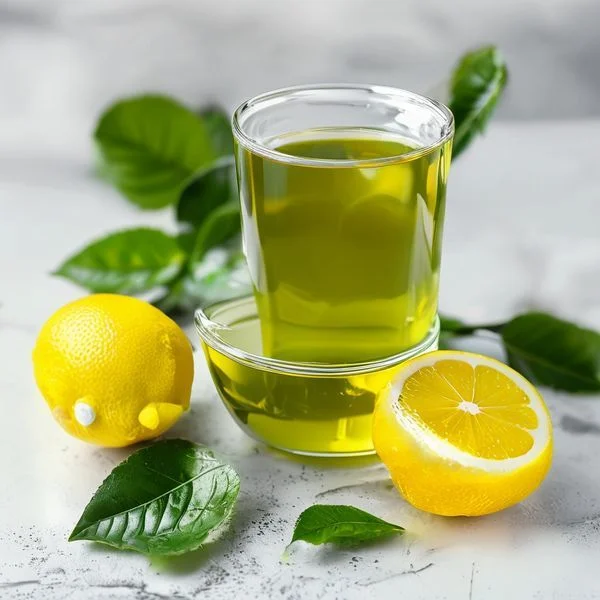
One of the most popular choices is ginger ale or ginger beer. The spice of the ginger highlights the cinnamon and black pepper notes found within the cognac. This combination is a staple in bars because the carbonation helps lift the heavy texture of the brandy, making it more approachable for casual sipping. If you prefer something more tart, fresh lemonade is an excellent choice. The acidity of the lemons cuts through the oaky depth of the cognac, resulting in a bright, citrus-forward drink that is perfect for warm weather.
For those who enjoy a more tropical or fruity profile, pineapple juice serves as an ideal partner. The natural sugars in pineapple complement the honeyed undertones of the spirit. Alternatively, cranberry juice offers a slightly bitter and tannic edge that mimics the complexity of the grapes used in cognac production. When selecting your ingredients, always opt for fresh, high-quality juices rather than concentrates to ensure the premium nature of the D’Ussé is preserved.
How to Craft the Perfect D’Ussé Ginger Signature Drink
Creating a world-class cocktail at home does not require professional training, but it does require attention to detail. Below is a standard recipe for the “D’Ussé Ginger Sparkler,” a drink that showcases the spirit’s versatility.
Recipe Details:
- Prep Time: 3 minutes
- Cooking Time: 0 minutes
- Servings: 1 drink
- Calories: Approximately 185 calories
Ingredients:
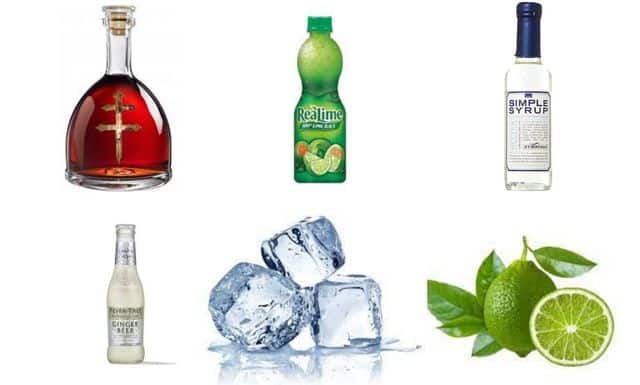
- 2 oz D’Ussé VSOP Cognac
- 4 oz Premium Ginger Ale
- 1 Squeeze of fresh lime juice
- 1 Lime wedge for garnish
- High-quality cubed ice
Instructions:
- Begin by chilling a highball glass. You can do this by placing it in the freezer for ten minutes or filling it with ice water while you prepare your ingredients.
- Fill the chilled glass with large, clear ice cubes. Using larger cubes is a vital part of the instructions as they melt slower, preventing the cognac from becoming overly diluted.
- Measure and pour the 2 ounces of D’Ussé directly over the ice.
- Slowly top the glass with 4 ounces of ginger ale. Pouring slowly helps maintain the carbonation.
- Add a fresh squeeze of lime juice to provide a bright acidic note that balances the sweetness.
- Gently stir the mixture with a long bar spoon once or twice. Do not over-stir, as this will dissipate the bubbles.
- Garnish with a lime wedge and serve immediately.
Essential Considerations When Mixing Cognac
While D’Ussé is highly versatile, there are several factors to keep in mind to ensure your cocktail remains high-end. First, consider the temperature of your mixers. Because cognac is often enjoyed neat at room temperature, adding room-temperature mixers to ice will cause the ice to melt rapidly. Always ensure your ginger ale, juice, or tonic is well-chilled before it hits the glass.
Another common mistake is using too many ingredients. D’Ussé is a premium product aged in French oak barrels; adding four or five different fruit juices or heavy syrups can mask the very flavors you paid for. Stick to two or three high-quality mixers to let the spirit shine. Furthermore, be mindful of the calorie count if you are watching your intake. While cognac itself contains roughly 65 calories per ounce, the addition of sugary sodas or syrups can quickly triple that number.
Glassware also plays a psychological and physical role in the drinking experience. While a snifter is traditional for sipping neat, a highball glass or a Collins glass is much better for mixed drinks. These taller glasses allow for a proper ratio of spirit to mixer and provide enough room for the carbonation to travel, enhancing the aromatic experience of the cocktail.
- Use large, clear ice cubes to prevent your drink from becoming watery too quickly.
- Always use fresh-squeezed citrus rather than bottled juice for a more vibrant flavor.
- If you find the drink too sweet, add two dashes of Angostura bitters to provide depth and balance.
- For a lower-calorie option, swap ginger ale for sparkling water and a splash of fresh ginger juice.
Conclusion
D’Ussé is a remarkably flexible spirit that lends itself to a wide variety of mixing options. Whether you prefer the spicy kick of ginger ale, the tartness of lemonade, or the tropical sweetness of pineapple, the key is to maintain a balance that respects the cognac’s heritage. By following the right instructions and using fresh ingredients, you can transform a simple glass of brandy into a sophisticated cocktail. Experiment with different ratios and garnishes to find the blend that best suits your palate, and remember that the quality of your mixer is just as important as the quality of the spirit itself.
❓ Frequently Asked Questions
1
How long does D’Ussé last in fridge?
D’Ussé does not need to be refrigerated and should be stored in a cool, dark place. Once opened, a bottle will maintain its peak flavor for about one to two years. While it won’t spoil after that, the nuanced aromas may begin to fade due to oxidation over time.

2
Can I make D’Ussé cocktails ahead of time?
You can batch the spirits and syrups for D’Ussé cocktails ahead of time and store them in the fridge. However, always wait to add carbonated mixers like ginger ale or fresh citrus juices until the moment of serving to ensure the drink remains vibrant, bubbly, and perfectly fresh for guests.
3
What can I substitute for D’Ussé?
If D’Ussé is unavailable, you can substitute it with other premium VSOP Cognacs such as Hennessy, Rémy Martin, or Martell. For a different but high-quality alternative, a well-aged Brandy or a smooth, wheated Bourbon can provide a similar warmth and depth in most mixed drink recipes and classic cocktail builds.
4
How do I know when D’Ussé is done?
D’Ussé is finished when the bottle is empty, as distilled spirits don’t expire in the traditional sense. You may notice it is ‘done’ in terms of quality if the liquid becomes cloudy or the distinct honey and floral aromas disappear, which usually only happens after many years of improper storage.
5
Can I freeze D’Ussé?
While you can put D’Ussé in the freezer without it solidifying, it is not recommended for premium Cognac. Freezing temperatures dull the palate and hide the intricate flavor notes of the grapes and oak. For the best experience, serve it at room temperature or slightly chilled with high-quality ice.