
Green Tea with Lemon: Refreshing & Healthy
Combining the earthy, grassy notes of high-quality camellia sinensis with the bright, acidic punch of citrus, green tea with lemon is more than just a flavor-packed beverage. It is a functional drink that has been enjoyed for centuries, prized for its ability to invigorate the mind and soothe the body. Whether you enjoy it as a steaming mug to start your morning or as a refreshing chilled tonic on a sweltering afternoon, this combination offers a unique synergy of antioxidants and vitamins. In this guide, you will discover why this duo is a nutritional powerhouse, how to master the brewing process, and creative ways to transform this simple tea into a gourmet experience.
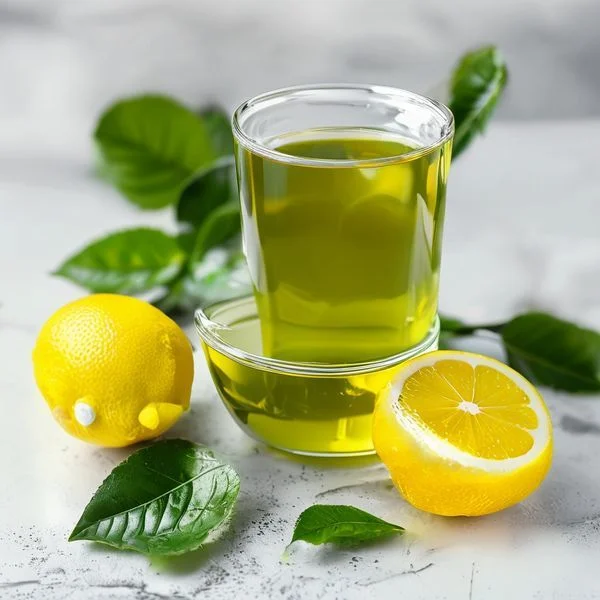
Adding lemon to green tea significantly increases the bioavailability of catechins, allowing your body to absorb up to five times more antioxidants than drinking the tea alone.
The Science of Citrus and Catechins
The primary reason health enthusiasts gravitate toward green tea with lemon lies in a fascinating chemical reaction. Green tea is rich in catechins, specifically epigallocatechin gallate (EGCG), which are potent antioxidants linked to metabolic health and cellular protection. However, catechins are relatively unstable in non-acidic environments, such as the small intestine. Research indicates that when green tea enters the digestive system, a significant portion of these beneficial compounds is lost before they can be absorbed into the bloodstream.
This is where the lemon becomes essential. The ascorbic acid (Vitamin C) and citric acid found in lemons act as a stabilizing agent. By lowering the pH level of the tea, the lemon juice prevents the degradation of catechins during digestion. This simple addition ensures that your body can access a much higher concentration of the tea’s natural polyphenols. Beyond the internal benefits, the lemon provides a significant boost to the immune system and adds a layer of flavor that masks the slight bitterness often associated with over-steeped green leaves.
Mastering the Brew: Hot and Chilled Techniques
To extract the best flavor from green tea with lemon, one must respect the delicate nature of the tea leaves. Unlike black tea, green tea leaves are unoxidized and can easily become astringent if exposed to boiling water. The ideal temperature for brewing most green varieties, such as Sencha or Dragonwell, is between 160°F and 180°F. Steeping for two to three minutes is generally sufficient to release the flavor profile without releasing excess tannins.
For those who prefer a refreshing beverage, the chilled version is an excellent hydrating alternative to sugary sodas. To prepare a perfect iced version, brew the tea at double strength to account for the dilution that occurs when poured over ice. Once the tea has cooled slightly, add fresh lemon juice. Pouring the mixture into a glass filled with crystalline ice cubes creates an immediate temperature drop that preserves the bright, grassy notes of the tea. If you find the flavor too intense, adding a splash of filtered water can balance the profile while keeping the drink incredibly hydrating.
Creative Variations: From Blender Slushies to Frozen Treats
Green tea with lemon does not have to be limited to a simple liquid form. For a modern twist on this classic, consider utilizing a blender to create a frozen green tea lemonade. By combining concentrated green tea, a generous squeeze of lemon, a touch of honey, and two cups of ice in a high-speed blender, you can create a slushy texture that is both sophisticated and cooling. This frozen preparation is particularly effective for active individuals looking for a post-workout recovery drink that feels like a treat.
You can also experiment with different types of green tea to alter the foundation of the drink. While standard leaf tea is excellent, using ceremonial grade matcha provides a vibrant green color and a creamy texture that pairs beautifully with citrus. Below is a comparison of how different green tea bases interact with lemon:
| Tea Variety | Flavor Profile | Lemon Interaction |
|---|---|---|
| Sencha | Grassy, Umami | Brightens the earthy notes |
| Gunpowder | Smoky, Bold | Cuts through the smoke |
| Matcha | Rich, Vegetal | Adds a sharp, clean finish |
| Jasmine Green | Floral, Sweet | Complements the floral aroma |
Enhancing the Experience with Garnish and Aromatics
The visual appeal and aroma of a beverage are just as important as the taste. When serving green tea with lemon, the garnish you choose can elevate the drink from a daily habit to a sensory experience. A thin wheel of Meyer lemon floating on the surface adds essential oils from the zest to every sip. For a more complex aromatic profile, consider adding a sprig of fresh mint or a few bruised basil leaves. These herbs enhance the refreshing quality of the drink and provide a beautiful contrast against the pale yellow or green hue of the tea.
If you are hosting a gathering, consider serving the tea in a large glass carafe filled with chilled tea, lemon slices, and cucumber ribbons. The cucumber adds a mellow, hydrating quality that softens the acidity of the lemon. For those who enjoy a bit of spice, a small piece of peeled ginger can be steeped along with the tea leaves, providing a warming sensation that balances the cool nature of an iced preparation.
Expert Tips for the Perfect Infusion
To achieve professional-level results at home, pay close attention to the quality of your ingredients. Always use filtered water, as the minerals in tap water can react with the tea’s polyphenols, resulting in a cloudy appearance and a metallic aftertaste. Furthermore, the timing of when you add the lemon matters. If you are making hot tea, wait until the steeping process is complete and the tea has cooled slightly before adding the juice. Extremely high temperatures can occasionally degrade some of the more delicate flavor compounds in fresh lemon juice.
When choosing lemons, look for fruit that feels heavy for its size, which indicates a high juice content. If you want a more intense citrus aroma without the sharp acidity, use a microplane to add a tiny amount of lemon zest directly into the blender when making frozen versions. This incorporates the flavorful oils found in the skin, which provide a “perfumed” citrus notes that juice alone cannot replicate.
- Freeze green tea into ice cubes so that your chilled beverage doesn’t get watered down as the ice melts.
- Use a handheld milk frother after adding lemon and honey to create a light, airy foam on top of your tea.
- For a sugar-free sweetener that complements lemon, try a few drops of liquid stevia or a small amount of monk fruit erythritol.
Combining green tea with lemon is a simple yet profound way to improve your daily hydration and nutrient intake. By understanding the synergy between Vitamin C and tea antioxidants, you can maximize the health benefits of every cup. Whether you prefer the ritual of a hot steep or the modern convenience of a blender-made frozen treat, this beverage remains a timeless choice for those seeking a refreshing, natural lift. Start experimenting with different garnishes and tea varieties today to find your perfect balance of zest and earthiness.
❓ Frequently Asked Questions
1
How long does green tea with lemon last in fridge?
Green tea with lemon usually lasts in the refrigerator for about 2 to 3 days when stored in a sealed glass pitcher. To prevent the tea from becoming overly bitter, it is best to remove the lemon slices and tea bags before putting the container into the fridge.
:max_bytes(150000):strip_icc()/green-tea-with-lemon-5828c5665f9b58d5b1141810.jpg)

2
Can I make green tea with lemon ahead of time?
You can certainly prepare green tea with lemon ahead of time to enjoy later. Simply brew the tea and let it cool completely before refrigerating. For the most refreshing taste, wait until you are ready to serve before adding fresh lemon juice, ice, and your choice of garnish.
3
What can I substitute for lemon?
If you do not have fresh lemons, you can use limes or a splash of orange juice for a different citrus profile. For the base, white tea or even matcha work well. If you want a hydrating caffeine-free version, try an herbal infusion like peppermint or ginger tea instead.
4
How do I know when the green tea is done?
Green tea is done steeping after about two to three minutes in hot water. You will know it is ready when the liquid turns a light golden-green color. Avoid over-steeping the tea leaves, as this can make the drink taste bitter and mask the refreshing citrus flavor.
5
Can I freeze green tea with lemon?
Yes, you can freeze green tea with lemon into ice cubes to keep your drinks cold without diluting them. While you can freeze the liquid in larger batches, the flavor is best when enjoyed fresh. Using tea-based ice cubes is a great way to maintain a refreshing drink.