How to Juice Wheat Grass: Simple & Healthy
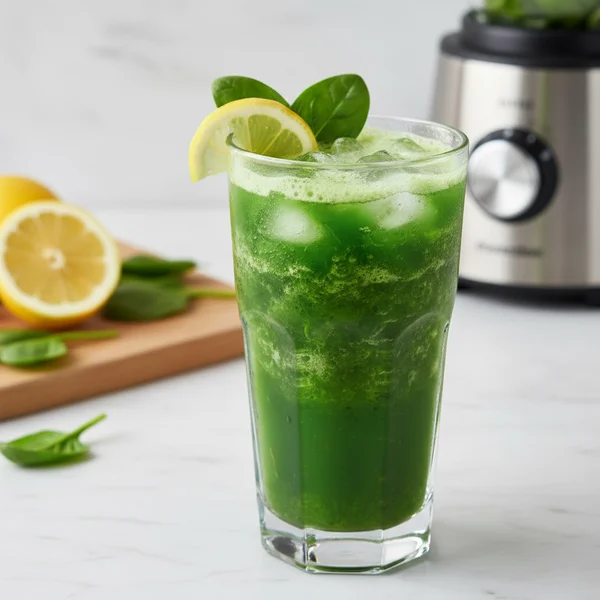
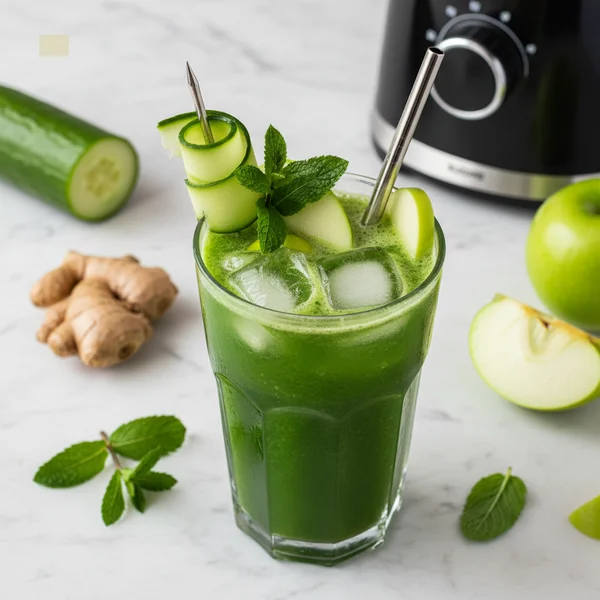
To juice wheatgrass effectively, use either a dedicated masticating juicer or a high-speed blender. If using a blender, combine fresh wheatgrass with a splash of water or ice, blend until liquefied, and strain through a nut milk bag or fine mesh. This process extracts a refreshing, nutrient-dense liquid rich in chlorophyll. For the best experience, serve the juice immediately while it is chilled to maintain its hydrating properties and vibrant flavor profile.
Understanding the Science and Benefits of Wheatgrass Juicing
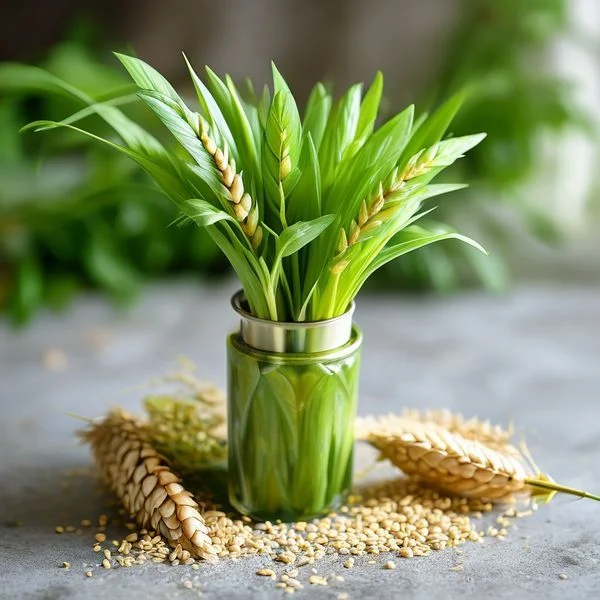
Juicing wheatgrass is more than just a culinary trend; it is a specialized process designed to unlock the intense nutritional profile of the Triticum aestivum plant. The primary challenge with wheatgrass is its physical structure. Like most grasses, wheatgrass is composed of dense cellulose fibers that the human digestive system is unable to break down. To access the “liquid gold” inside—a concentrated shot of vitamins A, C, and E, as well as iron, magnesium, and calcium—one must separate the juice from the pulp through mechanical extraction.
The most critical component of wheatgrass is chlorophyll, which makes up about 70% of its chemical composition. Often referred to as “sunshine in a glass,” chlorophyll is valued for its potential to support blood oxygenation and detoxification. When you juice wheatgrass, you are essentially creating a hydrating tonic that is bioavailable, meaning the body can absorb the nutrients almost immediately without the energy-intensive process of digestion.
When choosing a method, the science of oxidation plays a major role. High-speed centrifugal juicers generate heat and introduce significant amounts of oxygen into the liquid, which can degrade sensitive enzymes. This is why many enthusiasts prefer a masticating (slow) juicer, which mimics a chewing motion to press the juice out gently. However, if you do not have a specialized juicer, a high-powered blender is an excellent alternative. By adding a few cubes of ice during the blending process, you can keep the temperature low, preserving the integrity of the nutrients while producing a refreshing beverage that feels incredibly revitalizing.
How to Juice Wheatgrass: A Step-by-Step Guide
Whether you are using a professional-grade extractor or a standard kitchen blender, the goal is the same: maximum extraction with minimal waste. Follow these steps to ensure a high-quality result every time.
Step 1: Harvest and Preparation
Begin with fresh, organic wheatgrass that is roughly 7 to 10 inches tall. Use a sharp pair of kitchen shears to cut the grass about half an inch above the soil or root line. Rinse the blades thoroughly under cool, running water to remove any dust or stray soil particles. Pat the grass dry or use a salad spinner to ensure no excess water dilutes your shot.
Step 2: Choosing Your Extraction Method
If you have a masticating juicer, simply feed small bunches of the grass into the chute. The machine will slowly crush the blades and extrude a thick, dark green liquid. If you are using the blender method, place a handful of wheatgrass into the blender canister. Add roughly half a cup of filtered water or a few pieces of ice. The ice is a secret trick used by professionals to keep the mixture chilled, which prevents the heat from the blades from “cooking” the delicate enzymes.
Step 3: The Blending Process
Pulse the blender on a medium setting until the grass is completely pulverized. You are looking for a bright green slurry. Avoid over-blending; usually, 30 to 45 seconds is sufficient. The resulting mixture will be quite thick, which is where the straining process comes in.
Step 4: Straining for Purity
If you used a blender, pour the mixture into a nut milk bag or a fine-mesh strainer positioned over a clean glass. Squeeze the bag firmly to extract every drop of liquid. What remains in the bag should be a dry, fibrous mass of pulp, while your glass is filled with pure, refreshing wheatgrass juice.
Step 5: Serving and Presentation
Wheatgrass juice is best enjoyed as a concentrated shot of 1 to 2 ounces. To make the experience more pleasant, serve it in a chilled glass. You can add a small orange slice as a garnish to provide a sweet contrast to the earthy, grassy notes of the drink.
Important Considerations for the Best Experience
While wheatgrass is exceptionally hydrating and healthy, there are several best practices to keep in mind to ensure you get the most out of your efforts. First and foremost is the timing of consumption. Wheatgrass juice begins to oxidize and lose its nutritional potency within 15 to 20 minutes of extraction. For this reason, it is rarely sold pre-bottled in its raw form. Always aim to drink your juice immediately after preparation.
If you find that you have harvested more grass than you can use at once, do not juice it all and let it sit in the refrigerator. Instead, store the un-juiced grass in a breathable bag in the crisper drawer. If you must juice in bulk, the best way to preserve it is to pour the fresh juice into an ice cube tray and keep it frozen. These frozen wheatgrass cubes can then be dropped into smoothies later, providing a chilled, nutrient-boost without the need for fresh preparation every morning.
Another consideration is the potency of the flavor. For beginners, the taste can be quite overwhelming—intensely sweet yet pungent and “green.” It is common for new drinkers to experience slight nausea if they consume too much too quickly. Start with a single ounce and gradually work your way up. Mixing the wheatgrass with other hydrating liquids, such as coconut water or cucumber juice, can help mellow the flavor while maintaining the drink’s refreshing qualities. Finally, ensure your equipment is cleaned immediately after use; the pigment in wheatgrass is incredibly strong and can stain plastic blender jars or juicer parts if left to dry.
- Temperature Control: Use chilled water or a small amount of ice in your blender to prevent the friction heat from degrading the chlorophyll.
- Flavor Balancing: If the taste is too strong, chase your shot with a slice of lemon or ginger to cleanse the palate.
- Storage Hack: Freeze extra juice in silicone trays to create frozen wheatgrass “pucks” that can be stored for up to two weeks.
- Garnish Ideas: Use a sprig of mint or a thin slice of apple as a garnish to add a professional, refreshing touch to your morning tonic.
Conclusion
Juicing wheatgrass is a rewarding practice that brings a concentrated burst of nature’s best nutrients directly into your daily routine. While a masticating juicer offers the highest yield and purest quality, the blender method remains a highly effective and accessible way to enjoy this hydrating beverage at home. By focusing on freshness, maintaining a chilled temperature during processing, and consuming the juice immediately, you ensure that every sip is as potent and refreshing as possible. Whether you drink it as a pure shot or incorporate frozen cubes into your favorite smoothie, wheatgrass is a powerful addition to a health-conscious lifestyle.
❓ Frequently Asked Questions
1
How long does wheat grass juice last in fridge?
Freshly juiced wheat grass is best consumed immediately to maximize its nutritional potency. However, you can store it in an airtight container in the refrigerator for up to 24 hours. Keep in mind that the flavor may become more bitter and the beneficial enzymes will begin to degrade over time.


2
Can I make wheat grass juice ahead of time?
While you can make it a few hours ahead, it is not recommended for long-term storage. The juice oxidizes quickly, losing its vibrant color and many of its vitamins. For the most refreshing and hydrating experience, try to juice it right before you plan to drink it for maximum benefit.
3
What can I substitute for a masticating juicer?
If you don’t have a specialized juicer, a high-speed blender is an excellent substitute. Simply blend the grass with a small amount of water and then strain the pulp through a fine-mesh sieve or a nut milk bag. This method still provides a healthy, nutrient-rich beverage with minimal equipment.
4
How do I know when wheat grass is done juicing?
Wheat grass is finished when you have extracted about one ounce of juice per large handful of grass and the remaining pulp appears dry and fibrous. In a blender, the mixture should look like a dark, uniform green liquid before straining. The final result should be smooth and vibrant green.
5
Can I freeze wheat grass juice?
Yes, you can freeze wheat grass juice in ice cube trays for long-term storage. Once frozen, transfer the cubes to a freezer-safe bag. This is a great way to preserve nutrients for up to six months, allowing you to pop a refreshing cube into your morning smoothie quite easily.