Avocado Salad Dressing No Oil: Healthy & Easy
Finding the perfect balance between a creamy texture and a heart-healthy profile can be a challenge when preparing your favorite salads. Many traditional recipes rely heavily on processed oils to achieve a smooth mouthfeel, but using a whole-food approach changes the game entirely. An avocado salad dressing no oil alternative leverages the natural, monounsaturated fats found in ripe avocados to create a rich, velvety consistency without a single drop of canola or olive oil. In this guide, you will discover why this nutrient-dense fruit is the ultimate oil replacement, how to balance flavors using acidic and aromatic components, and the best ways to pair this dressing with various leafy greens and fresh vegetables for a satisfying meal.
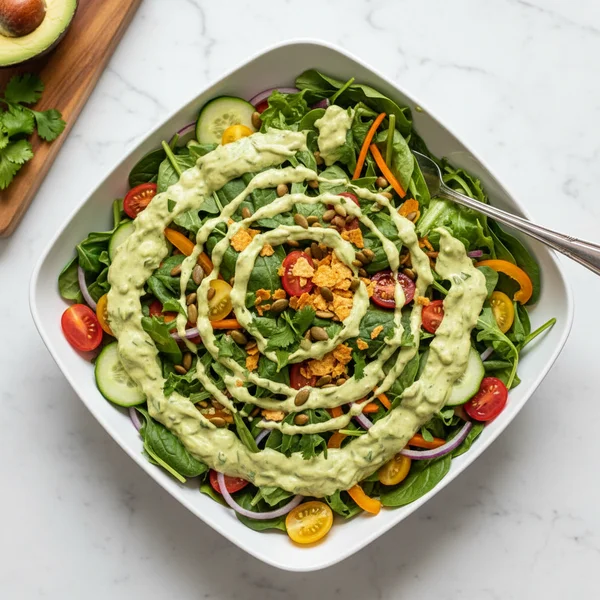
An avocado salad dressing no oil recipe provides a superior nutritional profile by replacing empty liquid calories with fiber, potassium, and healthy fats that help your body absorb fat-soluble vitamins from your salad greens.
The Nutritional Advantages of Oil-Free Avocado Dressings
When you opt for an avocado salad dressing no oil version, you are moving away from refined fats and toward whole-food nutrition. Processed oils are calorie-dense and often stripped of the fiber and micronutrients found in their original sources. In contrast, avocados are a “complete package” in the world of nutrition. They contain a high concentration of oleic acid, which is known for reducing inflammation and supporting heart health. Beyond just the fats, avocados provide a significant amount of dietary fiber, which aids in digestion and helps maintain a feeling of fullness long after your meal is finished.
One of the most compelling reasons to choose this healthy alternative is the “nutrient booster” effect. Research has shown that adding avocado to a salad can significantly increase the absorption of carotenoids—antioxidants like beta-carotene and lycopene—found in other fresh vegetables. Without a source of fat, many of the nutrients in your leafy greens might pass through your system without being fully utilized. By using a whole-food fat source rather than a refined oil, you are maximizing the biological value of every bite while keeping the calorie density manageable for those focusing on weight management or heart health.
Furthermore, avocados are rich in potassium, often containing more than a banana. This essential mineral helps regulate blood pressure and fluid balance. When you blend an avocado into a dressing, you are essentially creating a liquid multivitamin that enhances the flavor of your meal while providing essential electrolytes. This makes it an ideal choice for those following plant-based, Mediterranean, or whole-food diets where the focus is on minimally processed ingredients.
Essential Ingredients for Crafting the Perfect Texture
Achieving a professional-grade consistency for an avocado salad dressing no oil base requires a thoughtful combination of liquids and aromatics. Because you are not using oil to provide “slip” and emulsification, you must rely on the avocado’s natural creaminess combined with other hydrating elements. The primary liquid component is usually a citrus juice or a high-quality vinegar. Lime juice is a classic pairing that prevents the avocado from oxidizing (turning brown) while providing a bright, zesty top note. Lemon juice or apple cider vinegar are also excellent choices for creating a vinaigrette-style tang without the heavy oil base.
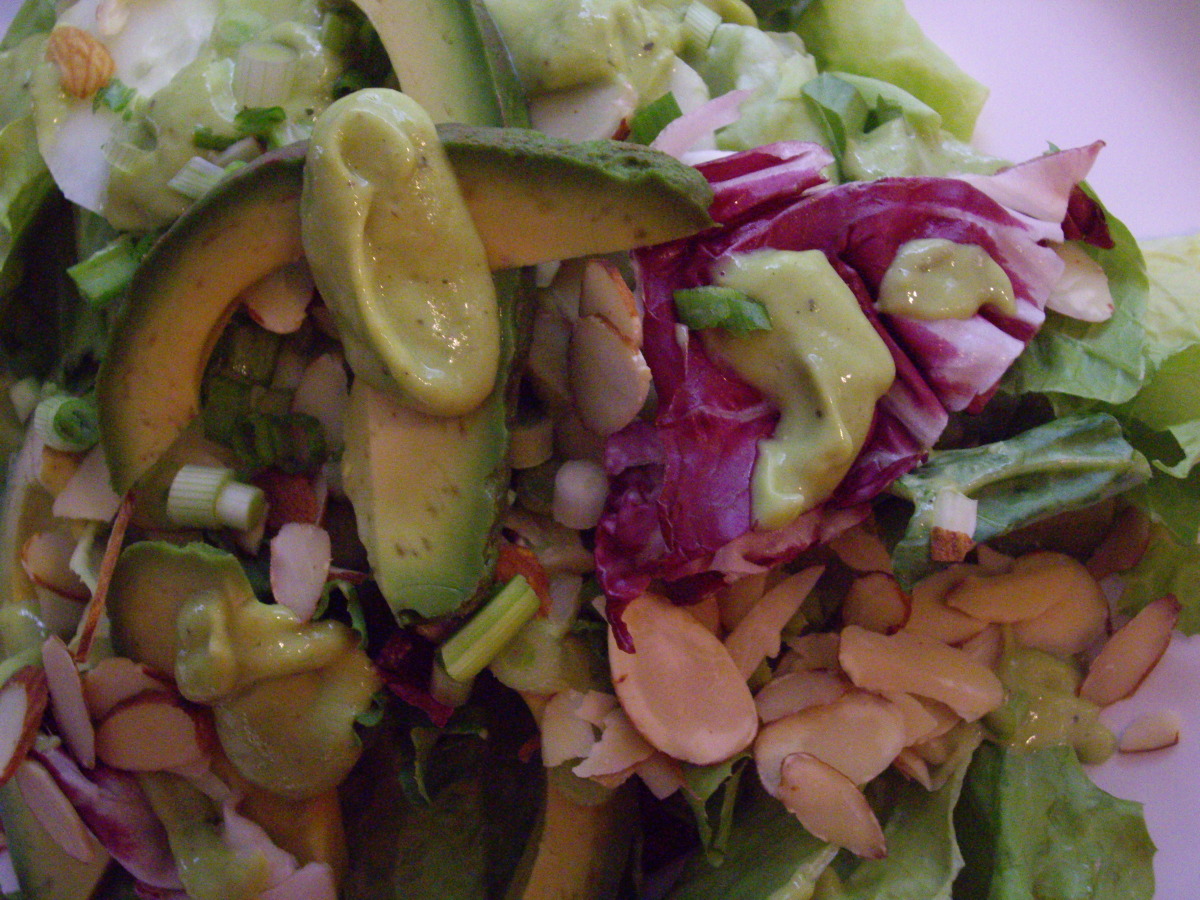
To achieve the desired thinness for a tossed salad, water is your best friend. Start by blending a ripe avocado with a small amount of water, adding it tablespoon by tablespoon until the mixture can easily pour from a spoon. For those who prefer an even creamier, ranch-like texture, unsweetened almond milk or a dollop of non-fat Greek yogurt can be used as the thinning agent. Garlic and shallots provide the necessary depth, while fresh herbs like cilantro, parsley, or dill add a vibrant green hue and a burst of garden-fresh flavor.
| Ingredient Category | Examples | Purpose |
|---|---|---|
| Base Fat | Ripe Hass Avocado | Creaminess and satiety |
| Acid | Lime, Lemon, Apple Cider Vinegar | Flavor balance and preservation |
| Thinning Agent | Water, Nut Milk, Vegetable Broth | Adjusting consistency |
| Flavor Enhancers | Garlic, Cilantro, Cumin, Sea Salt | Complexity and depth |
Pairing Your Dressing with Fresh Vegetables and Toppings
The beauty of a thick, healthy avocado-based topping is its versatility across different salad structures. For a classic tossed salad, this dressing works best when the leaves are sturdy. Leafy greens like kale, romaine, and spinach are robust enough to handle the weight of a creamy dressing without wilting immediately. If you are using delicate spring greens, it is best to thin the dressing significantly or apply it just before serving to maintain the texture of the leaves.
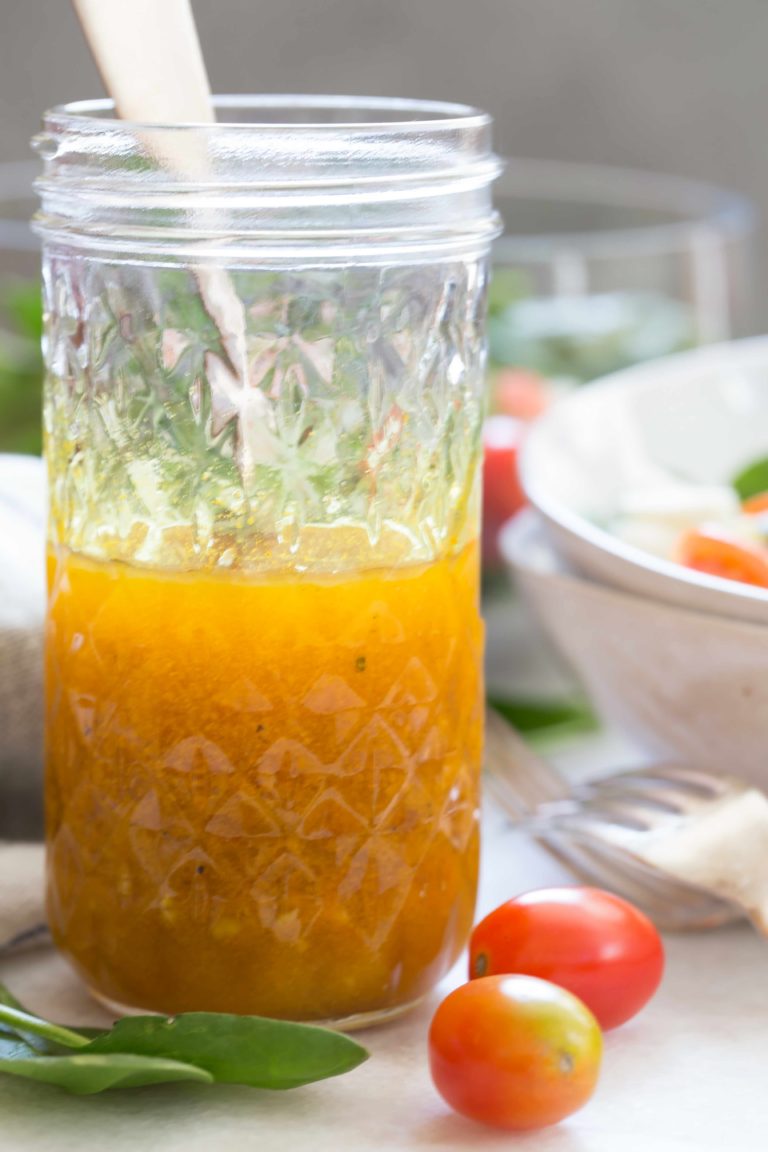
Beyond the greens, this dressing acts as a wonderful binder for fresh vegetables with high water content, such as cucumbers, bell peppers, and cherry tomatoes. The fat in the avocado helps “cling” to the smooth surfaces of these vegetables, ensuring every bite is seasoned. To elevate the sensory experience of your salad, consider the role of crunchy toppings. Because the dressing is soft and smooth, adding elements like toasted pumpkin seeds (pepitas), slivered almonds, or air-popped chickpeas provides a necessary contrast in texture that makes the meal more satisfying.
You can also use this avocado salad dressing no oil mixture as a dip for raw crudités or as a spread for wraps. Its density makes it a multi-purpose kitchen staple. When building a grain bowl with quinoa or farro, the dressing acts as a bridge between the earthy grains and the bright vegetables, creating a cohesive dish. The rich green color also provides a visual appeal that makes any bowl of vegetables look more appetizing and gourmet.
Storage and Preservation: Keeping It Fresh
One common concern with using avocado in a dressing is the speed at which it can oxidize. When avocado is exposed to oxygen, enzymes react to turn the vibrant green flesh into an unappealing brown. However, because an avocado salad dressing no oil recipe typically includes a high concentration of citrus juice, the citric acid acts as a natural preservative. To maximize the shelf life, always store your dressing in an airtight glass jar. Reducing the surface area exposed to air is the most effective way to keep the color bright.
If you find that your dressing has developed a slight brown tint on the very top layer after a day in the fridge, don’t worry—it is usually just surface oxidation. Simply stir the dressing, and the green color will typically return as the oxidized portion is mixed back in. For the best flavor and nutritional value, it is recommended to consume these oil-free dressings within three to four days. Unlike oil-based vinaigrette options that can sit for weeks, whole-food dressings are best enjoyed fresh. If you have leftovers, you can even freeze the dressing in silicone ice cube trays and thaw them individually for a quick lunch later in the week.
Another tip for storage is to place a piece of plastic wrap or reusable wax wrap directly on the surface of the liquid before closing the lid. This “skin-to-skin” contact eliminates the air pocket at the top of the jar, significantly extending the vibrant green life of the avocado. When you are ready to use it, give the jar a vigorous shake to re-incorporate any water that may have separated during refrigeration.
Creative Flavor Variations and Vinaigrette Styles
While a basic lime and garlic profile is a crowd-pleaser, there are endless ways to customize your avocado salad dressing no oil to match different cuisines. For a Mediterranean twist, swap the lime for lemon juice and add dried oregano, minced Kalamata olives, and a touch of Dijon mustard. This creates a creamy Greek-style dressing that pairs perfectly with cucumbers and feta cheese. If you enjoy a bit of heat, blending in a deseeded jalapeño or a teaspoon of smoked paprika can transform the dressing into a spicy Southwestern crema, ideal for taco salads or black bean bowls.
If you prefer a lighter, more traditional vinaigrette experience but still want to skip the oil, you can increase the ratio of vinegar and water while using only half an avocado. This results in a thinner, more translucent liquid that still carries the velvety mouthfeel of the fruit. Adding a teaspoon of maple syrup or a single pitted date to the blender can provide a subtle sweetness that balances the acidity of balsamic or red wine vinegar. These variations allow you to keep your salad routine exciting and diverse while adhering to a healthy, oil-free lifestyle.
Expert Tips for the Best Results
Professional chefs know that the secret to a world-class avocado salad dressing no oil is the ripeness of the fruit. An underripe avocado will result in a grainy, chunky texture and a slightly bitter aftertaste. Look for avocados that yield slightly to gentle pressure and have a dark, pebbly skin. If your avocados aren’t quite ready, place them in a paper bag with an apple or banana for a day to speed up the ripening process.
Another expert tip is to use a high-speed blender or a small food processor rather than mashing by hand. While a fork works in a pinch, a mechanical blade ensures the fibers of the avocado are completely broken down, resulting in a silkiness that mimics the emulsion of oil and egg yolk found in mayonnaise. Finally, don’t be afraid to season aggressively with salt and pepper; avocados are naturally mild and require a good amount of seasoning to truly “pop” against the leafy greens in your bowl.
- Add a pinch of nutritional yeast to the blender for a savory, “cheesy” flavor profile without adding dairy.
- If the dressing becomes too thick in the fridge, whisk in a teaspoon of warm water or extra citrus juice to restore its pourable consistency.
- For maximum flavor, let the dressing chill for at least 30 minutes before serving to allow the garlic and herbs to infuse.
Conclusion
Transitioning to an avocado salad dressing no oil recipe is one of the simplest and most effective ways to upgrade your daily nutrition. By replacing processed fats with the whole-food goodness of avocado, you create a healthy, creamy, and satisfying addition to any meal. Whether you are coating a bowl of leafy greens, dipping fresh vegetables, or adding crunchy toppings to a tossed salad, this versatile dressing delivers on both flavor and function. Embrace the natural creaminess of the avocado and enjoy a vibrant, nutrient-dense lifestyle one salad at a time.
❓ Frequently Asked Questions
1
How long does avocado salad dressing no oil last in fridge?
This dressing is best served fresh but can be stored in the refrigerator for up to three days. To maintain its vibrant green color and prevent oxidation, store it in an airtight container with a piece of plastic wrap pressed directly onto the surface of the dressing.
2
Can I make avocado salad dressing no oil ahead of time?
You can certainly prepare this dressing a day in advance, though fresh is always best. Because avocados brown when exposed to air, ensure you include enough citrus juice, like lime or lemon, to act as a natural preservative and keep the container tightly sealed until serving.
3
What can I substitute for avocado?
If you want an oil-free dressing without avocado, try using a base of soaked raw cashews, silken tofu, or even white beans. These ingredients provide the creamy texture needed for a thick dressing or vinaigrette substitute while keeping the recipe entirely oil-free and nutritious for your salads.
4
How do I know when avocado salad dressing no oil is done?
The dressing is finished when it reaches a completely smooth, velvety consistency in your blender or food processor. There should be no visible chunks of avocado. It should be thin enough to be easily tossed with leafy greens but thick enough to coat your fresh vegetables beautifully.
5
Can I freeze avocado salad dressing no oil?
Freezing this dressing is not recommended because the texture often becomes watery or grainy upon thawing. Since it only takes a few minutes to blend the ingredients together, it is much better to make a quick, fresh batch whenever you are preparing a salad for the best results.