Lean and Green Weekly Meal Plan: Simple & Healthy
Embarking on a journey toward better health requires a structured approach to nutrition. A lean and green weekly meal plan is specifically designed to help you achieve significant weight management goals while ensuring your body receives essential nutrients. This schedule focuses on high-quality proteins and nutrient-dense vegetables, meticulously organized to eliminate the stress of daily decision-making. By following this day-by-day guide, you will learn how to balance your portions and optimize your metabolism. This roadmap provides a clear path through the week, detailing when to prep and how to assemble meals that keep you satisfied without overcomplicating your routine.
Duration: 7 Days
Goals: Weight loss, metabolic support, and simplified meal prep.
Expected Outcomes: Reduced bloating, steady energy levels, and fat loss through controlled portions.
Before You Start
Success with a lean and green weekly meal plan begins long before you turn on the stove. Your first step is to audit your pantry and gather all necessary ingredients. Focus on lean proteins like skinless chicken breast, turkey, white fish, and tofu, alongside non-starchy vegetables such as spinach, zucchini, and cauliflower. To minimize daily stress, dedicate a specific prep time on Sunday to wash, chop, and portion your vegetables. Review each recipe in your rotation to ensure you understand the instructions and have the correct cooking time blocked out in your schedule. It is also vital to consider calories and servings; using a food scale during the first few days can help you visualize what a true “lean” portion looks like. Having containers ready for storage will ensure your hard work stays fresh throughout the week.
Day-By-Day Schedule
Day 1: The Foundation Day
Today is about setting the pace for the rest of the week. Focus on simple preparations to avoid burnout. Start with a protein-heavy breakfast to stabilize blood sugar. For dinner, choose a recipe that yields multiple servings, allowing you to save time later. Pay close attention to the prep time today, as you will be doing the bulk of the vegetable slicing for the upcoming days. Ensure you are tracking your calories accurately from the start.
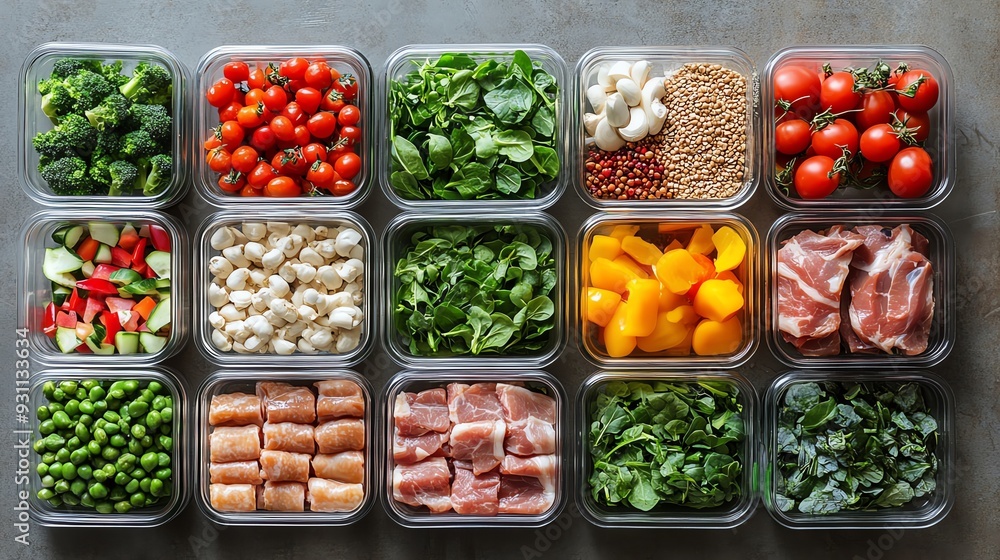
- Prep 3 cups of non-starchy vegetables for the next 48 hours.
- Cook a double portion of lean poultry to use for tomorrow’s lunch.
Day 2: Protein Consistency
On the second day, the focus shifts to maintaining satiety through consistent protein intake. Utilize the leftover poultry from Day 1 to keep your lunch prep time under ten minutes. For dinner, experiment with a seafood recipe like grilled tilapia or shrimp. Seafood generally has a very short cooking time, making it ideal for a busy Tuesday. Check your ingredients list to ensure you have enough healthy fats, like avocado or olive oil, to accompany your greens.
- Measure out two servings of greens for a large dinner salad.
- Hydrate with at least 80 ounces of water to support metabolic function.
Day 3: Mid-Week Momentum
By Wednesday, your body is adjusting to the lower carbohydrate intake. Keep your momentum by following the instructions for a slow-cooker lean beef or turkey chili. This method reduces active cooking time and ensures your evening meal is ready when you finish work. Monitor your calories closely today, as mid-week cravings often peak. Sticking to the plan now ensures you don’t fall off track during the hardest part of the week.
- Use a slow cooker to manage a busy afternoon schedule.
- Pre-portion snacks like celery sticks or cucumbers to avoid mindless grazing.
Day 4: Green Variety
Focus on “the green” today by introducing different vegetable textures. Try zoodles (zucchini noodles) or riced cauliflower to replace traditional starches. These ingredients provide bulk to your meals without adding excessive calories. Pair these with a lean ground turkey meat sauce. This recipe is highly satisfying and helps mimic the comfort of a pasta dish while staying strictly within the lean and green parameters. Ensure you calculate the servings correctly for family members.
- Incorporate at least three different types of green vegetables today.
- Steam vegetables instead of sautéing to keep added fats in check.
Day 5: Efficiency and Speed
Friday can be challenging, so prioritize efficiency. Use a sheet-pan recipe where your protein and vegetables cook together. This significantly reduces cooking time and cleanup. Salmon and asparagus are excellent choices for a Friday night, providing healthy Omega-3 fats. Be mindful of social situations; if eating out, look for ingredients that are grilled or steamed rather than fried. Stick to your portion sizes even when the weekend atmosphere begins to take hold.
- Prepare a one-pan meal to save time for weekend transition.
- Review your progress and adjust calories if weight loss has stalled.
Day 6: Creative Leftovers
Use Saturday to clear out your refrigerator and prevent food waste. Combine leftover proteins and greens into a large “kitchen sink” salad or a vegetable-heavy omelet. This day requires the least amount of prep time because you are utilizing ingredients already cooked. It is a great day to reflect on which recipe you enjoyed most during the week. Check your remaining servings of protein to ensure you meet your daily requirements without overeating.
- Create a “power bowl” using leftover lean meat and roasted veggies.
- Plan a light activity, like a walk, to complement your nutrition plan.
Day 7: Review and Reset
The final day of your lean and green weekly meal plan is for evaluation and future planning. Spend your morning checking the instructions for next week’s meals. Review how the cooking time affected your daily schedule and make adjustments. Use this evening to prep for the coming Monday, ensuring your ingredients are fresh and ready. Sunday is also the perfect time to weigh in and see the results of your disciplined approach to portion control.
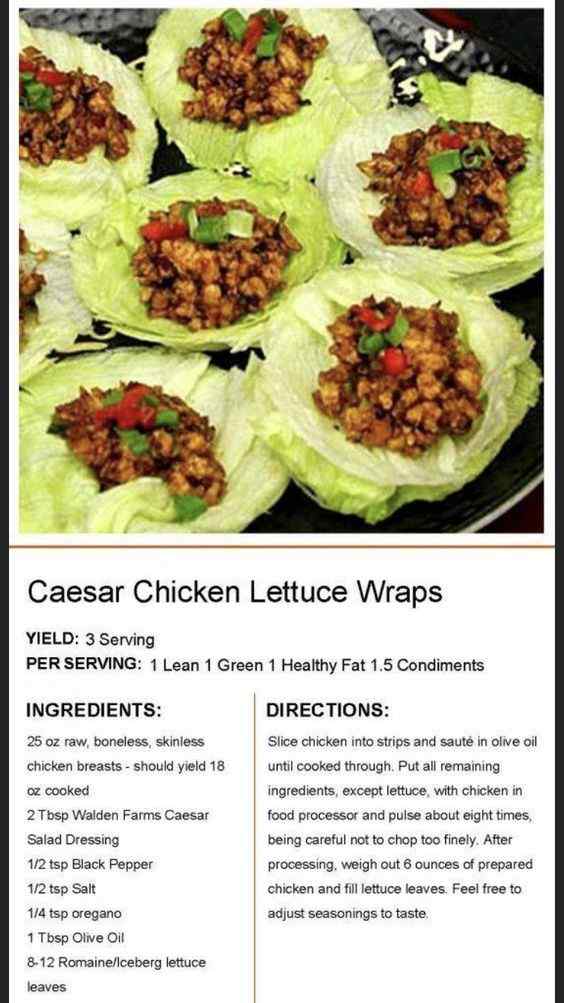
- Write down a new shopping list based on the successes of the past week.
- Dedicate 60 minutes to “pre-prepping” proteins for the next cycle.
Modifications & Alternatives
While the standard lean and green weekly meal plan is effective for many, it is not one-size-fits-all. If you find the prep time too demanding, consider purchasing pre-washed greens or pre-cooked rotisserie chicken (removing the skin). For those with higher activity levels, you may need to increase your servings of lean protein to prevent muscle fatigue. If you are following a vegetarian lifestyle, replace meat with tofu, seitan, or egg whites to hit your protein targets without skyrocketing calories. Additionally, if a particular recipe doesn’t suit your palate, swap the vegetable ingredients for another non-starchy alternative. The goal is sustainability; adjusting the plan to fit your lifestyle ensures you can maintain these habits long-term rather than giving up after one week.
- Stay Hydrated: Drinking water before meals helps control calories and aids digestion.
- Season Wisely: Use herbs and spices instead of sugary sauces to flavor your recipe without adding fat.
- Measure Everything: Don’t eyeball your servings; precision is key to seeing the best results.
- Keep it Simple: You don’t need exotic ingredients to see success; consistency beats complexity.
Conclusion
Consistency is the cornerstone of any successful transformation. By adhering to this lean and green weekly meal plan, you have taken a proactive step toward a healthier version of yourself. Throughout the week, you have managed your calories, mastered prep time, and focused on nutrient density. Expected results include improved digestion, visible weight loss, and a better understanding of portion control. Moving forward, use the lessons learned this week to refine your recipe selection and continue your progress. Stay committed, keep your ingredients fresh, and enjoy your new-found energy.
❓ Frequently Asked Questions
1
How long does the meal plan last in the fridge?
Most meals in this plan last three to four days in the fridge when stored in airtight containers. For a full week, it is best to prep in two batches—one on Sunday and one on Wednesday—to ensure maximum freshness and taste for all your ingredients and vegetables.
2
Can I make these meals ahead of time?
Yes, this meal plan is specifically designed for meal prep. You can cook your lean proteins and chop your green vegetables in advance. Having everything ready to go significantly reduces daily cooking time and helps you stick to your healthy eating goals without any added daily stress.
3
What can I substitute for chicken?
If you prefer not to use chicken, you can easily substitute it with other lean proteins like shrimp, white fish, turkey breast, or tofu. Ensure the portion sizes align with your nutritional requirements and that the cooking time is adjusted for the specific protein you choose for the meal.
4
How do I know when the meal plan is working?
You will likely feel more energized and notice a reduction in bloating within the first few days. Consistency is key, so follow the instructions and track your progress weekly. If you feel satisfied after meals and see steady weight loss, your specific meal plan is likely balanced correctly.
5
Can I freeze the prepped meals?
Many components of this plan, such as cooked chicken or turkey, freeze very well for up to three months. However, fresh green vegetables like spinach or lettuce are best consumed fresh. Consider freezing only the protein portions and adding fresh greens just before you serve the finished dish.