Roasted Tomatoes with Balsamic: Delicious & Simple
Imagine walking into your kitchen and being greeted by the sweet, tangy aroma of caramelized fruit and savory herbs. This recipe for roasted tomatoes with balsamic takes a humble garden staple and transforms it into a sophisticated, soul-warming main course. By slow-roasting cherry or plum tomatoes alongside a lean protein, you unlock a depth of flavor that raw vegetables simply cannot match. The balsamic vinegar reduces into a thick, syrupy glaze that perfectly balances the natural acidity of the tomatoes. Whether you are hosting a small dinner party or looking for a vibrant weeknight meal, this dish is guaranteed to impress with its rustic elegance and bold Mediterranean profile. Everyone from busy parents to gourmet enthusiasts will love how easily this comes together.

- ⏱️ Prep Time: 10 minutes
- 🍳 Cook Time: 25 minutes
- 👥 Servings: 4 servings
- 📊 Difficulty: Easy
Ingredients Section
- The Main Components:
- 2 lbs Cherry tomatoes or grape tomatoes (multi-colored for visual depth)
- 4 large Chicken breasts (approx. 6 oz each) as your primary protein
- Balsamic Marinade & Seasoning:
- 1/4 cup Aged balsamic vinegar
- 3 tablespoons Extra virgin olive oil
- 4 cloves Garlic, minced finely
- 1 teaspoon Sea salt
- 1/2 teaspoon Freshly cracked black pepper
- 1 tablespoon Fresh rosemary, finely chopped
- Finishing Touches:
- 1/2 cup Fresh basil leaves, hand-torn
- 1/4 cup Shaved Parmesan cheese (optional)
Step-by-Step Instructions
- Oven Preparation: Begin by preheating your oven to 400°F (200°C). Position your oven rack in the center to ensure even heat distribution. A properly heated oven is essential for achieving that specific caramelization on the tomatoes without overcooking the meat. While the oven reaches temperature, line a large rimmed baking sheet with parchment paper or a silicone baking mat to prevent sticking and make cleanup easier.
- Prepare the Tomatoes: Thoroughly wash the cherry tomatoes and pat them completely dry with a clean kitchen towel. Leaving excess moisture on the skins will cause the tomatoes to steam rather than roast. If you are using larger tomatoes, such as Campari or plum varieties, slice them in half vertically to ensure they cook at the same rate as the other ingredients.
- Protein Preparation: Take your chicken breasts and pat them dry with paper towels. If the breasts are uneven in thickness, gently pound them to a uniform half-inch thickness. This ensures that the internal temperature reaches the safety mark simultaneously across all servings, preventing the thinner edges from becoming dry while the center remains undercooked.
- Whisk the Marinade: In a small glass bowl, combine the balsamic vinegar, olive oil, minced garlic, rosemary, salt, and pepper. Whisk vigorously until the oil and vinegar emulsify. This marinade serves a dual cooking time.
- Coating the Ingredients: Place the tomatoes and the chicken in a large mixing bowl. Pour two-thirds of the seasoning mixture over the ingredients. Use your hands or a silicone spatula to toss everything gently, ensuring every inch of the protein and every tomato skin is glistening with the dark balsamic blend.
- Arrange the Sheet Pan: Transfer the chicken to the prepared baking sheet, leaving ample space between each breast. Scatter the seasoned tomatoes in the spaces around the chicken. Do not crowd the pan; if the ingredients are too close together, they will release juices and boil rather than roast, sacrificing that delicious charred texture.
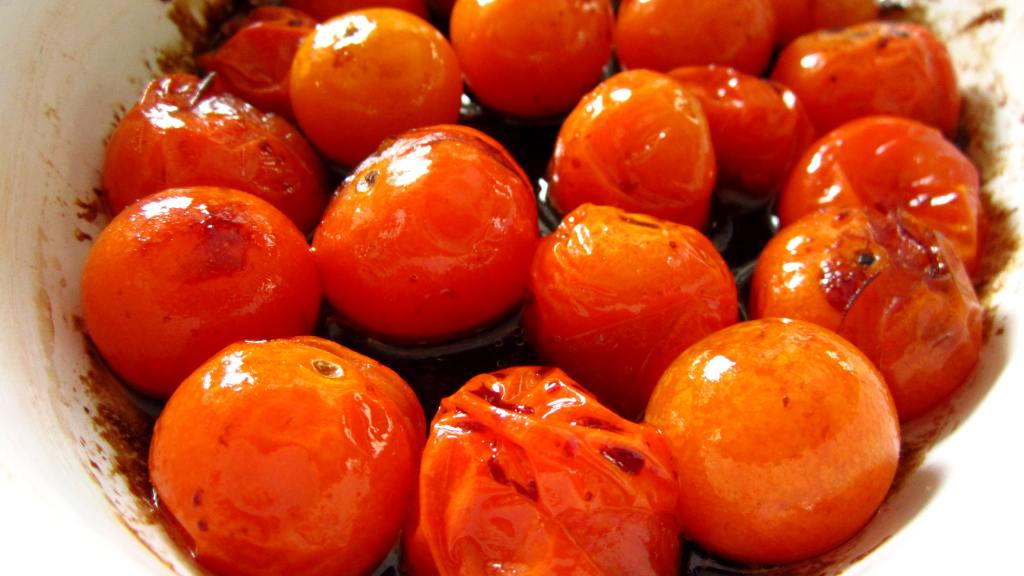
- The Roasting Process: Slide the tray into the oven. Roast for approximately 25 minutes. At the halfway mark, you may want to rotate the pan to account for any hot spots in your oven. You will know it is progressing well when the tomato skins begin to pop and the balsamic glaze starts to bubble and thicken on the tray.
- Temperature Verification: Use a digital meat thermometer to check the thickest part of the chicken. The internal temperature should read exactly 165°F (74°C). If it is slightly below, give it another 2 to 3 minutes, but keep a close eye on it to maintain juiciness.
- The Resting Period: Once removed from the oven, transfer the chicken to a warm plate and tent it loosely with foil. This resting time (about 5 minutes) is non-negotiable; it allows the muscle fibers to relax and reabsorb the juices, ensuring a tender bite. Leave the tomatoes on the hot pan during this time to continue soaking up the concentrated pan juices.
- Final Plating: To serve, place one chicken breast on each plate and spoon a generous portion of the roasted tomatoes and their syrupy balsamic reduction over the top. Garnish with fresh torn basil and Parmesan shavings. The standard serving size is one chicken breast with approximately half a cup of roasted tomatoes.
Always use a high-quality, aged balsamic vinegar for the best results; cheaper vinegars can be overly acidic and won’t thicken as well. If your tomatoes are particularly tart, add a half-teaspoon of honey to your marinade to balance the flavors. For an extra crunch, you can toss a handful of pine nuts onto the sheet pan during the last five minutes of roasting.
Variations & Substitutions
This recipe is incredibly versatile and can be adapted for various dietary needs. For a vegan alternative, replace the chicken with thick slabs of extra-firm tofu or large portobello mushroom caps. If you prefer a different protein, this balsamic treatment works wonderfully with salmon fillets or pork tenderloin, though you will need to adjust the roasting time accordingly. If you find rosemary too pungent, try using fresh oregano or marjoram for a softer herb profile. For those who enjoy heat, adding a pinch of red pepper flakes to the seasoning mix provides a lovely spicy contrast to the sweet tomatoes. This dish also works beautifully as a side dish if you omit the chicken and serve the roasted tomatoes over creamy polenta or tossed with al dente pasta.
Storage & Make Ahead
To store leftovers, place the chicken and tomatoes in an airtight container and refrigerate for up to three days. The balsamic flavors actually deepen overnight, making the leftovers just as delicious as the initial meal. To reheat, place the serving size in a skillet over low heat with a splash of water to keep the chicken moist. Freezing is not recommended for the roasted tomatoes, as their cell structure breaks down when frozen, resulting in a mushy texture upon thawing. You can prep the marinade up to 24 hours in advance and keep it in the fridge.
Calories: 320 kcal | Protein: 35g | Carbohydrates: 12g | Fat: 14g | Sodium: 650mg
❓ Frequently Asked Questions
1
How long does roasted tomatoes with balsamic last in fridge?
Roasted tomatoes stay fresh in an airtight container in the refrigerator for about 3 to 5 days. They are excellent when served cold in salads or reheated gently on the stovetop or in the oven. For the best flavor, bring them to room temperature before serving if not reheating.
2
Can I make roasted tomatoes ahead of time?
Yes, you can easily make these ahead of time. They hold their flavor remarkably well and can be served at room temperature or chilled. If you prefer them warm, just pop them back into a 350°F oven for about 5 to 10 minutes right before you plan to serve.
3
What can I substitute for balsamic vinegar?
If you are out of balsamic, you can substitute it with red wine vinegar mixed with a teaspoon of honey or maple syrup to mimic the sweetness. Alternatively, a high-quality sherry vinegar works well, though the flavor profile will be slightly more nutty and less syrupy than traditional balsamic.
4
How do I know when roasted tomatoes are done?
You will know they are finished when the skins blister and begin to burst. Unlike meat, you don’t need to monitor the internal temperature; instead, look for the tomatoes to soften and release their juices. The total cooking time usually ranges from 20 to 25 minutes in a hot oven.
5
Can I freeze roasted tomatoes?
Roasted tomatoes freeze surprisingly well for up to six months. While they will lose their firm structure upon thawing, they become an incredible base for homemade pasta sauces, soups, or stews. Simply freeze them in a single layer on a tray before transferring them to a freezer-safe bag or container.