Pumpkin and Cauliflower Soup: Delicious & Creamy
When the temperature begins to drop and the days grow shorter, few things offer the same level of restoration as a bowl of pumpkin and cauliflower soup. This golden-hued dish is the quintessential comfort food, blending the earthy sweetness of autumn squash with the nutty, versatile profile of cauliflower. Beyond its aesthetic appeal, this soup serves as a nutritional powerhouse, providing a rich source of vitamins and fiber without the heavy calorie count often associated with winter meals. Whether you are seeking a light lunch or a hearty starter for a multi-course dinner, understanding the nuances of this blend allows you to transform humble pantry staples into a gourmet experience. In this guide, we will explore the techniques, ingredients, and modern cooking methods required to master this seasonal favorite.
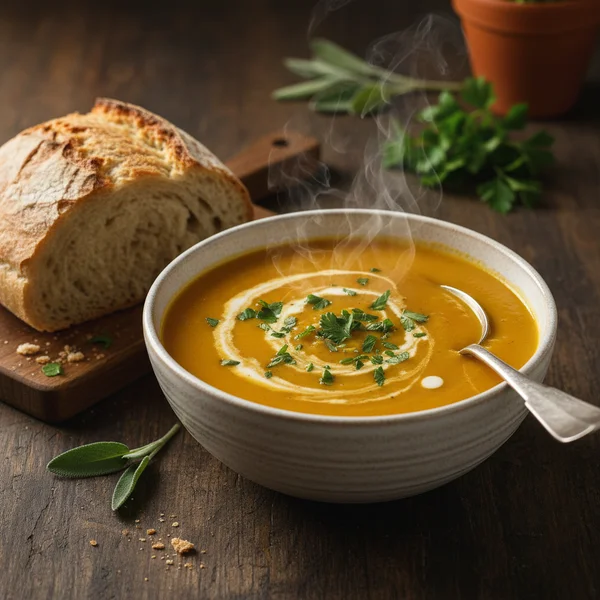
The secret to a truly deep flavor profile in pumpkin and cauliflower soup lies in roasting the vegetables before simmering them in a high-quality stock, which caramelizes their natural sugars and adds a smoky complexity that raw boiling cannot achieve.
The Nutritional Synergy of Pumpkin and Cauliflower
Combining pumpkin and cauliflower is more than just a culinary choice; it is a strategic move for health-conscious cooks. Pumpkin is famously high in beta-carotene, which the body converts into Vitamin A, essential for immune function and eye health. Cauliflower, often referred to as a “superfood,” brings a significant amount of Vitamin C, Vitamin K, and folate to the table. When these two are pureed together, they create a thick, creamy consistency that mimics the mouthfeel of heavy cream or potatoes, but with a much lower glycemic index and fewer calories.
For those monitoring their intake of macronutrients, this soup is a revelation. It is naturally low in carbohydrates compared to potato-based soups, making it an excellent option for ketogenic or low-carb lifestyles. Furthermore, the high fiber content in both vegetables promotes digestive health and provides long-lasting satiety. To maximize these benefits, it is recommended to use fresh, whole ingredients rather than canned substitutes when possible, as this ensures the highest concentration of antioxidants and minerals.
| Nutrient | Pumpkin (per 100g) | Cauliflower (per 100g) |
|---|---|---|
| Vitamin A | 170% DV | 0% DV |
| Vitamin C | 15% DV | 77% DV |
| Fiber | 0.5g | 2g |
| Calories | 26 kcal | 25 kcal |
Modern Cooking Methods: From One-Pot to Instant Pot
The beauty of pumpkin and cauliflower soup lies in its adaptability to various kitchen workflows. Depending on your schedule, you can choose a method that prioritizes either speed or the slow development of flavors. The traditional one-pot method on the stovetop is ideal for those who enjoy the ritual of cooking. By sautéing aromatics like onions, garlic, and ginger first, then adding the chopped vegetables and stock, you allow the ingredients to meld through gentle simmering over forty-five minutes.
For the busy professional, the instant pot or pressure cooker is a game-changer. This method reduces the cooking time significantly, often taking less than fifteen minutes under high pressure to tenderize even the densest pumpkin varieties. The pressure forces the flavors of the spices deep into the fibers of the cauliflower, resulting in a robust taste in a fraction of the time. Conversely, the slow cooker method is perfect for those who want to “set it and forget it.” Simmering the ingredients on low for six to eight hours results in an incredibly mellow and deeply integrated flavor profile that is hard to replicate with faster methods.
- Stovetop (One-Pot): Best for controlling texture and flavor adjustments in real-time.
- Instant Pot: Best for rapid preparation without sacrificing the depth of the vegetable stock infusion.
- Slow Cooker: Best for a “hands-off” approach that yields a very tender, easily blendable result.
Selecting the Best Stock and Aromatics
The foundation of any great soup is the liquid base. While water can be used in a pinch, a high-quality stock is essential for a truly hearty result. For a vegetarian or vegan version, a roasted vegetable stock adds layers of umami that complement the sweetness of the pumpkin. If you prefer a richer, more traditional profile, a bone-in chicken stock provides gelatinous body and a savory counterpoint to the vegetables.
Aromatics are the next layer of complexity. Do not stop at just onions and garlic. Consider adding a thumb of fresh grated ginger for a warming zing, or a teaspoon of turmeric for its anti-inflammatory properties and vibrant color. If you are leaning toward a Mediterranean flavor, fresh sage and thyme are excellent choices. For a more Eastern-inspired dish, a spoonful of red curry paste sautéed with the onions will transform the soup into something exotic and spicy. Remember, the goal of simmering is to let these aromatics permeate the liquid before the final blending process.
Achieving the Perfect Creamy Consistency
The hallmark of a professional-grade pumpkin and cauliflower soup is its texture. It should be velvety and smooth, lacking any fibrous strings or lumps. To achieve this, an immersion blender is the most convenient tool, allowing you to puree the soup directly in the pot. For an even silkier finish, a high-speed stand blender is superior, as it can pulverize seeds or small fibers that a handheld blender might miss.
If you find the soup is too thick after blending, you can thin it out with a splash of coconut milk, heavy cream, or more stock. Coconut milk is particularly popular because it adds a subtle sweetness and a creamy fat content that pairs beautifully with the earthy cauliflower. If the soup is too thin, simmering it uncovered for an additional ten to fifteen minutes will reduce the liquid and concentrate the flavors. Some chefs also choose to stir in a small amount of Greek yogurt or sour cream just before serving to add a tangy brightness that cuts through the richness of the pumpkin.
Flavor Variations and Creative Garnishes
While the basic recipe is delicious, the versatility of these vegetables allows for endless experimentation. You can steer the soup in a savory direction by adding cumin and smoked paprika, or keep it sweet and warm with a pinch of nutmeg and cinnamon. Adding a peeled apple to the pot during the simmering phase is a classic trick to enhance the natural sugars of the pumpkin while adding a hint of tartness.
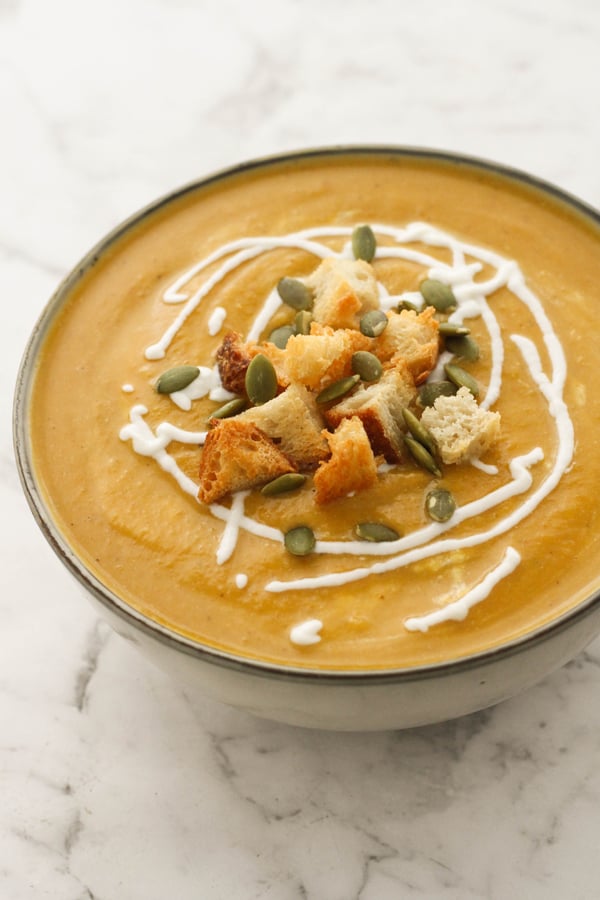
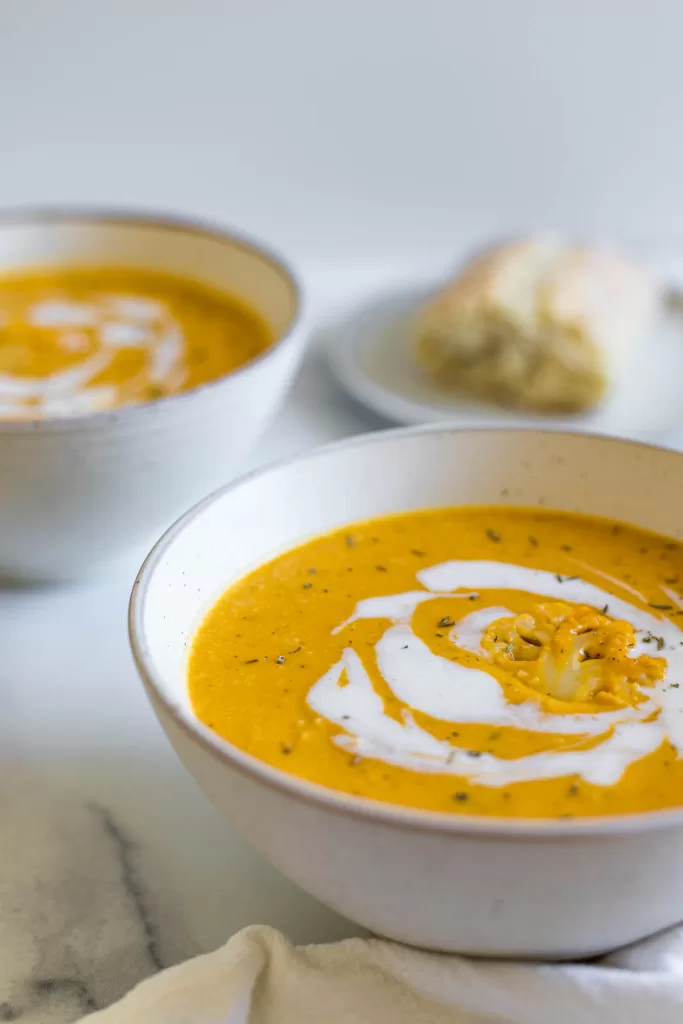
Garnishes are the final touch that elevates the dish from a simple meal to a restaurant-quality experience. Since the soup is creamy and soft, adding a textural contrast is vital. Roasted pumpkin seeds (pepitas) are a natural choice, providing a satisfying crunch. A drizzle of high-quality extra virgin olive oil or a swirl of herb-infused oil can add visual appeal and a luxurious mouthfeel. For a salty kick, consider crumbled feta cheese, crispy bacon bits, or even a few parmesan crisps. These additions not only make the bowl look more appetizing but also ensure that every spoonful offers a variety of tastes and textures.
Expert Tips for the Home Chef
To truly master this dish, one must pay attention to the state of the vegetables before they even hit the stock pot. One of the most significant upgrades you can make is roasting your cauliflower and pumpkin florets in a hot oven (around 400°F or 200°C) with a bit of olive oil and salt until the edges are charred. This charring creates a “Maillard reaction,” which adds a complex, toasted flavor that boiling simply cannot achieve.
Another professional tip involves the “acid balance.” Often, a soup can feel heavy or flat even if it is well-salted. Adding a teaspoon of lemon juice or apple cider vinegar right before serving can “wake up” the flavors, highlighting the sweetness of the pumpkin and the nuttiness of the cauliflower. Lastly, always taste your soup at various stages of the simmering process. Spices can change in intensity as they cook, and adjusting the seasoning at the end is crucial for a balanced result.
- Don’t discard the seeds: Clean and roast the pumpkin seeds with a bit of sea salt and chili powder for a zero-waste, crunchy topping.
- Freeze for later: This soup freezes exceptionally well. Store it in airtight containers for up to three months; just wait to add any dairy or coconut milk until you reheat it to prevent separation.
- Brown the butter: If you use butter to sauté your aromatics, let it cook until it turns golden brown and smells nutty to add another layer of flavor.
Conclusion
Pumpkin and cauliflower soup is more than just a seasonal trend; it is a versatile, nutrient-dense staple that deserves a place in every cook’s repertoire. By utilizing different cooking methods like the instant pot or slow cooker, and focusing on the depth of flavor provided by high-quality stock and roasting techniques, you can create a meal that is both comforting and sophisticated. Whether you prefer a spicy curry twist or a classic herbaceous profile, the combination of these two vegetables provides the perfect canvas. Next time you find yourself with a fresh pumpkin and a head of cauliflower, embrace the slow simmer and enjoy the hearty, creamy results of this timeless comfort food.
❓ Frequently Asked Questions
1
How long does pumpkin and cauliflower soup last in fridge?
This soup stays fresh for about 4 to 5 days when stored in an airtight container in the refrigerator. Ensure the soup has cooled completely before sealing the lid to prevent moisture buildup, which can affect the texture and longevity of the creamy base.
2
Can I make pumpkin and cauliflower soup ahead of time?
Yes, this soup is perfect for meal prep as the flavors often deepen overnight. You can prepare the entire batch, let it cool, and store it. When ready to serve, simply reheat it gently on the stove over medium heat until it is simmering again.
3
What can I substitute for pumpkin?
If you don’t have pumpkin, butternut squash or Hubbard squash are excellent alternatives. They provide a similar sweetness and starchy texture that ensures the soup remains hearty and creamy. You can also use canned pumpkin puree if fresh options are unavailable for a quicker cooking process.
4
How do I know when pumpkin and cauliflower soup is done?
The soup is ready for blending when both the pumpkin and cauliflower are fork-tender. This typically happens after 20 to 25 minutes of simmering. Once the vegetables break apart easily with a spoon, you can safely blend the mixture into a smooth, velvety consistency.
5
Can I freeze pumpkin and cauliflower soup?
Absolutely, this soup freezes beautifully for up to three months. If you plan to add cream or coconut milk, it is best to do so after thawing and reheating. This prevents the texture from becoming grainy or separating during the freezing and thawing process.