Beet Juice for Hangover: Refreshing & Hydrating
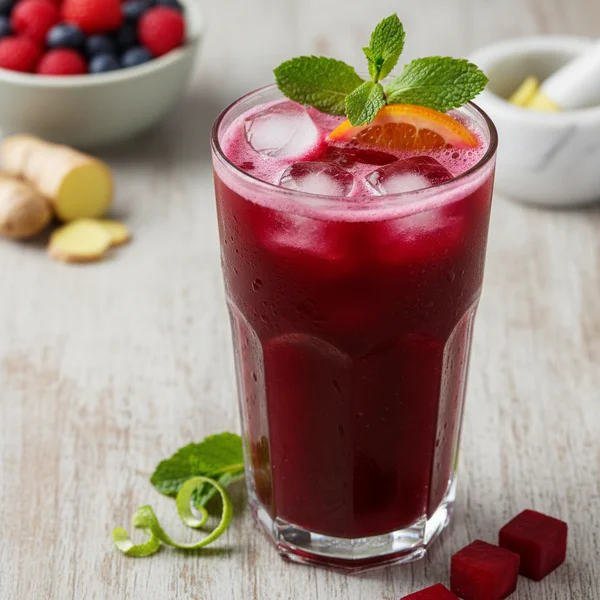
We have all experienced those mornings where the light seems a bit too bright and the world feels a little too loud after a night of enthusiastic celebration. When your body is screaming for relief, water alone sometimes feels insufficient to bridge the gap between feeling sluggish and feeling human again. This is exactly where this vibrant, earthy, and incredibly refreshing beet juice for hangover recovery comes to the rescue. This recipe is not just a drink; it is a concentrated elixir of restoration, boasting a deep ruby hue that looks as powerful as it feels. This special blend balances the grounded sweetness of beets with the sharp zing of ginger and the hydrating crispness of cucumber. Anyone who values natural, plant-based remedies will absolutely fall in love with how this beverage revitalizes the senses and settles the stomach. It is the ultimate morning-after companion that transforms your recovery into a delicious ritual rather than a chore.
- ⏱️ Prep Time: 10 minutes
- 🍳 Cook Time: 0 minutes
- 👥 Servings: 2 servings
- 📊 Difficulty: Easy
Ingredients for the Ultimate Recovery Juice
To create this restorative beverage, you will need a selection of fresh, high-quality produce. These ingredients work in harmony to provide electrolytes, vitamins, and natural anti-inflammatory properties that your body craves during recovery. Use organic produce whenever possible to ensure you are getting the cleanest nutrients available.
- The Root Base: 2 medium-sized red beets (scrubbed and peeled)
- The Hydration Hero: 1 large English cucumber (provides a high water content)
- The Sweet Balance: 2 crisp green apples (such as Granny Smith for tartness)
- The Digestive Kick: 1-inch piece of fresh ginger root (peeled)
- The Citrus Spark: 1/2 medium lemon (juiced)
- The Liquid Foundation: 1 cup pure coconut water (unsweetened)
- The Temperature Control: 1 cup of filtered ice cubes
- The Fresh Finish: Fresh mint leaves for garnish
Step-By-Step Instructions
1. Start by preparing your vegetables and fruits with care. Since we are using a blender rather than a traditional centrifugal juicer, you want to make the job as easy as possible for your appliance. Begin by thoroughly washing the beets under cold running water to remove any lingering soil. Use a vegetable peeler to remove the tough outer skin of the beets. Once peeled, chop the beets into small, manageable cubes, roughly one inch in size. Be careful during this process, as beet juice can easily stain your hands and countertops; you might want to wear gloves or use a plastic cutting board for this specific step.
2. Move on to your hydrating components. Take the English cucumber and slice it into thick rounds. There is no need to peel the cucumber if the skin is thin, as the skin contains many of the beneficial nutrients and fiber that contribute to the drink’s restorative properties. Next, core your green apples and cut them into segments. The tartness of the green apples is essential for cutting through the heavy, earthy flavor of the beets, providing a bright contrast that makes the drink much more palatable when you are feeling under the weather.
3. Prepare the aromatic ginger and lemon. Peel the ginger using the edge of a spoon—this is the most efficient way to remove the skin without wasting any of the spicy flesh. Grate the ginger roughly or chop it into very fine bits to ensure it distributes evenly throughout the mixture. Squeeze the juice of half a lemon into a small bowl, ensuring you catch any seeds. The vitamin C and citric acid from the lemon act as a natural preservative and a flavor enhancer that wakes up the entire beverage.
4. It is now time to assemble everything in your blender. Place the chopped beets at the bottom, as they are the densest ingredient and benefit from being closest to the blades. Follow this with the apple segments, cucumber slices, and the prepared ginger. Pour in the one cup of coconut water. Coconut water is a superior choice for a base because it is naturally hydrating and packed with potassium, which is often depleted after a night of drinking. Add half of the ice cubes at this stage to begin the cooling process immediately.
5. Secure the lid tightly and start the blender on a low speed. Gradually increase the speed to high, allowing the blades to pulverize the tough beet fibers. Blend for approximately 60 to 90 seconds. You are looking for a completely smooth, liquid consistency with no visible chunks. If the mixture seems too thick, you can add a splash more of coconut water or filtered water to help the blades move. The goal is to create a homogenous, brilliant purple liquid that is ready for straining.
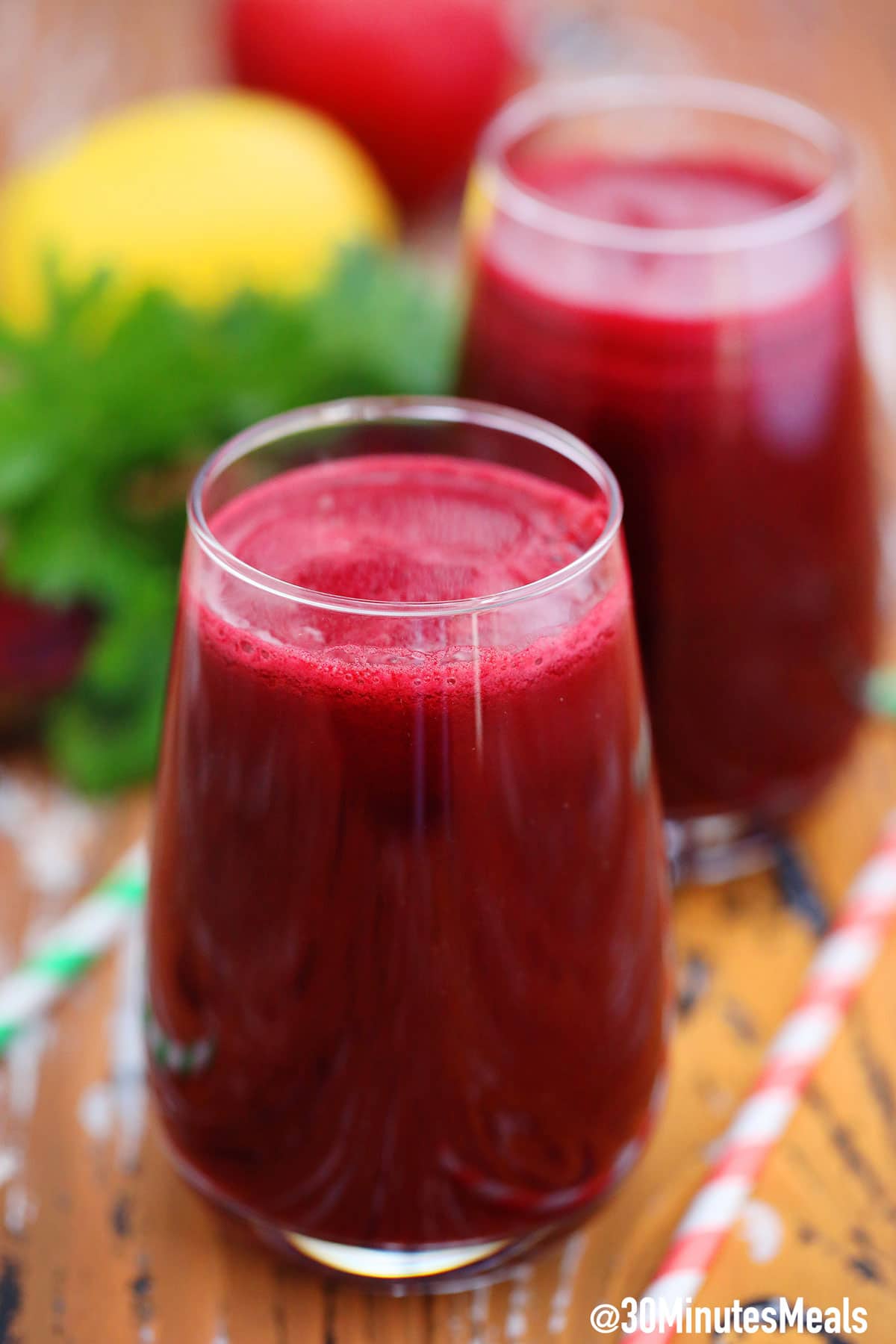
6. To achieve a professional, juice-bar quality texture, you will want to strain the mixture. Place a fine-mesh sieve or a nut milk bag over a large glass pitcher. Slowly pour the blended mixture into the strainer. Use a silicone spatula to press the pulp against the mesh, extracting every possible drop of the nutrient-rich liquid. If you are using a nut milk bag, gather the top and squeeze firmly with your hands. This step removes the bulk of the fiber, leaving you with a smooth, refreshing juice that is incredibly easy for your stomach to digest and absorb.
7. Once you have collected all the juice, stir in the remaining lemon juice. Taste the mixture; if you prefer it a bit sweeter, you can add a small teaspoon of honey or maple syrup, though the apples and beets usually provide enough natural sugar. Stir the juice vigorously to ensure all the flavors are perfectly integrated. The chilled liquid should now be a consistent, vibrant color and ready for the final presentation.
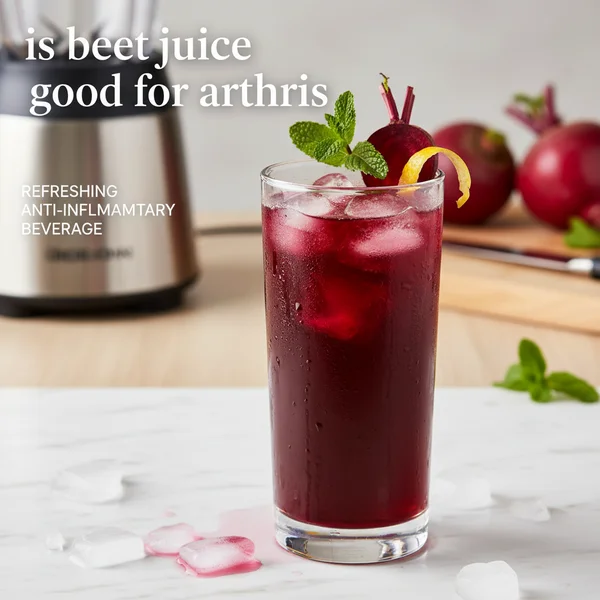
8. Prepare two tall glasses by filling them with the remaining ice. Pour the juice over the ice, watching as the deep red color fills the glass. To elevate the experience, add a fresh mint garnish to the top of each glass. The aroma of the mint provides a soothing sensory element that complements the cooling nature of the drink. Serve immediately while the juice is perfectly chilled and the flavors are at their peak freshness.
To get the most out of your ginger, try freezing the root before peeling; it makes the grating process much smoother. If your beets are particularly large, roasting them slightly the night before can soften the flavor, though raw beets provide the most potent nutrient profile for recovery. For the coldest possible drink without dilution, use frozen beet chunks instead of some of the ice cubes. Always remember to drink this slowly; your body recovers best when it can absorb the nutrients at a steady pace rather than all at once.
Variations & Substitutions
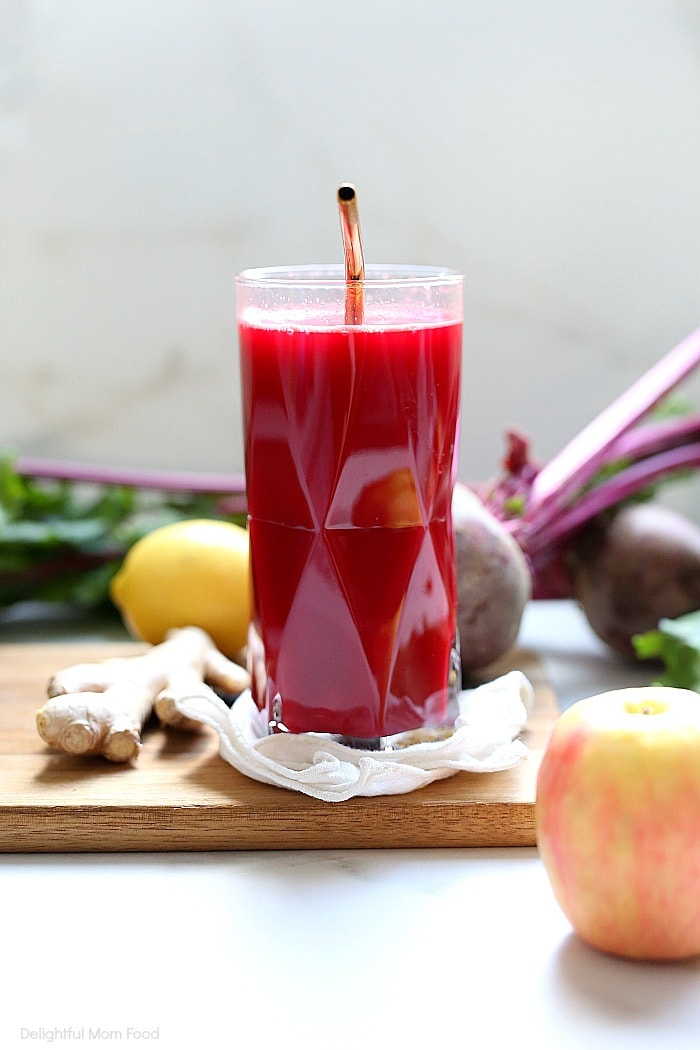
This recipe is highly adaptable based on what you have in your kitchen or your specific dietary needs. If you are following a strictly vegan diet, this recipe is already perfect for you as it relies entirely on plant-based ingredients. For those who want a bit more of a “green” boost, you can easily toss a handful of baby spinach or kale into the blender; the beet juice is strong enough to mask the flavor of the greens while adding extra iron and folate. If you find the earthy flavor of beets too intense, try substituting one of the beets with an extra carrot, which adds sweetness and beta-carotene. For a spicy version that really clears the sinuses, add a tiny pinch of cayenne pepper to the final mix. If you do not have coconut water on hand, plain filtered water or even a light herbal tea like chilled chamomile can work as a suitable liquid base.
Storage & Make Ahead Tips
While this beet juice for hangover recovery is best enjoyed fresh to maximize its vitamin content, you can certainly prepare it in advance if you know you have a long night ahead. Store the strained juice in an airtight glass mason jar in the refrigerator for up to 24 hours. Before drinking, give the jar a vigorous shake as natural separation will occur. For a longer-term solution, you can pour the finished juice into ice cube trays and keep them frozen. When you need a quick recovery, simply pop the frozen juice cubes into a glass of water or blend them for a quick slushy. This ensures you always have a refreshing remedy ready at a moment’s notice without having to pull out the blender while you are feeling unwell.
- Calories: 115 kcal
- Carbohydrates: 26g
- Fiber: 5g
- Sugars: 18g
- Protein: 2g
- Potassium: 450mg
- Vitamin C: 35% DV
In conclusion, taking the time to prepare this refreshing beet juice can make a world of difference in how you feel during a difficult morning. By using your blender to combine these hydrating and nutrient-dense ingredients, you are giving your body the tools it needs to bounce back with vigor. The combination of chilled coconut water, earthy beets, and zesty ginger creates a flavor profile that is both sophisticated and deeply comforting. So, next time you find yourself in need of a serious pick-me-up, skip the processed sports drinks and reach for this natural, vibrant solution. Your body will thank you for the hydration and the care you put into your recovery.
❓ Frequently Asked Questions
1
How long does beet juice last in fridge?
Freshly made beet juice is best consumed immediately to maximize its nutrient profile. However, you can store it in an airtight glass jar for up to 24 hours. Shake well before drinking as natural separation will occur, and keep it chilled to maintain its refreshing flavor.
2
Can I make beet juice ahead of time?
Yes, you can prep the ingredients the night before to save time. While the juice is best fresh, making it a few hours ahead and storing it in the refrigerator is perfectly fine. Just ensure it is sealed tightly to prevent oxidation and keep the nutrients intact.
3
What can I substitute for ginger?
If you find fresh ginger too spicy, you can substitute it with fresh turmeric for similar anti-inflammatory benefits. Alternatively, a splash of maple syrup or honey can help balance the earthy notes of the beet if you prefer a sweeter, more mellow flavor profile for your recovery drink.
4
How do I know when the juice is done?
When using a blender, the juice is ready once the mixture is completely smooth and deep crimson with no large chunks of beet or apple remaining. If you prefer a thinner consistency, simply blend in a little more cold water or coconut water until you reach your desired thickness.
5
Can I freeze beet juice?
Yes, you can freeze beet juice in silicone ice cube trays. This is a great way to preserve leftovers or create nutrient-dense ice cubes for future smoothies. Once frozen, transfer the cubes to a freezer bag; they will stay fresh and potent for up to three months.