Is Beet Juice Good for Arthritis? Healthy Benefits
Yes, beet juice is an exceptional dietary addition for those managing arthritis. It contains potent anti-inflammatory compounds known as betalains, which help reduce joint pain and swelling by inhibiting inflammatory enzymes. Additionally, the inorganic nitrates in beet juice improve blood circulation and oxygen delivery to inflamed tissues. Regular consumption of this nutrient-dense beverage can help mitigate the oxidative stress that contributes to cartilage breakdown, making it a natural ally for joint health and mobility.

The Science Behind Beet Juice and Arthritis Relief
Understanding why beet juice is effective for arthritis requires a look at its unique chemical composition. Arthritis, whether it is osteoarthritis (degenerative) or rheumatoid arthritis (autoimmune), is fundamentally characterized by chronic inflammation. Beetroot is one of the few plants that contain high concentrations of betalains—the pigments responsible for its deep red hue. These compounds have been scientifically shown to interfere with the signaling pathways that trigger inflammation in the body. Specifically, betalains can reduce the activity of enzymes like cyclooxygenase-2 (COX-2), which is the same target often addressed by over-the-counter anti-inflammatory medications.
Beyond its pigment, beet juice is a powerhouse of inorganic nitrates. When consumed, these nitrates are converted into nitric oxide, a molecule that relaxes and dilates blood vessels. For an individual with arthritis, improved circulation is vital. Better blood flow ensures that nutrients and oxygen reach damaged joint tissues more efficiently, while simultaneously helping to flush out metabolic waste products that can exacerbate stiffness and pain. This makes the drink especially hydrating and restorative after a day of physical activity.
Furthermore, the antioxidant profile of beets is extensive. Beets are rich in vitamin C, manganese, and several phenolic acids. These antioxidants work together to neutralize free radicals—unstable molecules that damage cells and accelerate the degradation of cartilage. By providing a “shield” against oxidative stress, beet juice may help slow the progression of joint wear and tear. Many people find that drinking this refreshing beverage consistently leads to a noticeable reduction in morning stiffness, allowing for a broader range of motion throughout the day.
The Impact on Rheumatoid vs. Osteoarthritis
While both conditions benefit from anti-inflammatory diets, the impact of beet juice can vary. In rheumatoid arthritis, where the immune system attacks the joints, the systemic anti-inflammatory effects of betalains help modulate the immune response. In osteoarthritis, the focus is often on protecting the remaining cartilage and managing localized pain. Beet juice serves both populations by providing a low-calorie, nutrient-dense way to support the body’s internal repair mechanisms without the side effects often associated with long-term pharmaceutical use.
How to Prepare Arthritis-Friendly Beet Juice: A Step-by-Step Guide
Making your own beet juice at home ensures that you are getting the maximum concentration of live enzymes and nutrients without the added sugars or preservatives found in many store-bought versions. You don’t necessarily need a high-end juicer; a standard kitchen blender can work perfectly well if you follow the right process to create a smooth, drinkable consistency.

- Select and Prep Your Beets: Choose firm, smooth-skinned beets. If they still have the green tops attached, save those as well—they are also highly nutritious! Thoroughly wash the beets to remove any soil. You can peel them if you prefer a milder earthy flavor, but many people leave the skin on for the extra fiber. Chop the beets into small, manageable chunks to make it easier for your equipment to process.
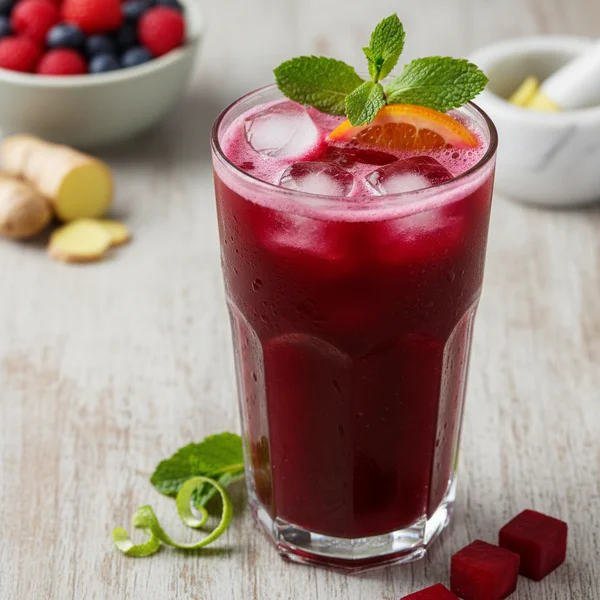
- Combine in the Blender: Place the beet chunks into your blender. To boost the anti-inflammatory power, add a one-inch piece of fresh ginger and a squeeze of lemon juice. The ginger provides extra joint relief, while the vitamin C in the lemon helps your body absorb the iron found in the beets.
- Add Hydrating Liquids: To achieve a juice-like consistency, add a base liquid. Plain water works well, but using coconut water can make the drink even more hydrating due to its natural electrolytes. Start with about one cup of liquid per large beet.
- Blend Until Smooth: Pulse the mixture first, then blend on high speed until the contents are completely liquefied. If you prefer a thinner juice, you can pour the mixture through a fine-mesh strainer or a nut milk bag to remove the pulp. However, keeping the pulp provides beneficial fiber that helps regulate blood sugar.
- Chill and Serve: Pour the juice into a glass filled with ice. Beet juice is significantly more refreshing when served chilled, as the cold temperature helps to mellow the naturally earthy, musky undertones of the root vegetable.
- The Final Touch: Add a garnish of fresh mint or a slice of green apple on the rim. Not only does this make the drink look more appealing, but the aroma of mint can also be very uplifting.
For those who enjoy a thicker texture, you can use frozen beet chunks instead of fresh ones. This creates a consistency similar to a slushy or a smoothie, which can be particularly soothing on a hot day or after a workout that has left your joints feeling warm or inflamed.

Important Considerations and Potential Side Effects
While beet juice is generally safe and highly beneficial, there are a few things to keep in mind to ensure you get the best results without any surprises. First and foremost is the phenomenon known as “beeturia.” This is the discoloration of urine or stools, which can turn a pink or reddish color after consuming beets. While it can be alarming if you aren’t expecting it, it is completely harmless and simply a result of the betalain pigments passing through your system.
Another consideration is the oxalate content in beets. Beets are high in oxalates, which can contribute to the formation of kidney stones in susceptible individuals. If you have a history of calcium oxalate kidney stones, you should consult with your doctor before adding large amounts of beet juice to your daily routine. Often, moderation and ensuring you stay well-hydrated with plenty of water can mitigate this risk, but professional medical advice is always recommended.
Furthermore, because beet juice is so effective at lowering blood pressure due to its nitrate content, those who are already taking medication for hypertension should monitor their levels closely. The combination of medication and the natural vasodilation from the juice could potentially cause blood pressure to drop too low. It is also worth noting that beet juice contains natural sugars. While these are far better than refined sugars, individuals with diabetes should factor the carbohydrate count into their daily management plan to avoid spikes in blood glucose levels.
- Mix it up: If the taste of pure beet juice is too strong, blend it with carrots, apples, or celery. These also have anti-inflammatory properties and help balance the flavor.
- Use Frozen Beets: Keeping a bag of frozen, pre-chopped beets in your freezer makes it easy to whip up a chilled drink in minutes without any prep work.
- Morning Ritual: Drink your beet juice in the morning on an empty stomach for maximum nutrient absorption and to kickstart your circulation for the day.
- The Right Blender: Use a high-speed blender to ensure the beet fibers are broken down as much as possible, resulting in a smoother mouthfeel.
- Don’t Forget the Garnish: A simple garnish of ginger or cucumber can add a refreshing aromatic layer that enhances the overall experience.
Conclusion
Incorporating beet juice into your diet is a delicious and natural way to manage the symptoms of arthritis. Its unique combination of betalains, nitrates, and antioxidants provides a multi-faceted approach to reducing inflammation and improving joint mobility. Whether you prepare it in a blender with ice for a refreshing afternoon treat or enjoy it as a hydrating morning tonic, the benefits are undeniable. By being mindful of your personal health history and preparing the juice with fresh ingredients, you can harness the power of this vibrant root to support a more active, pain-free lifestyle. Start slowly, enjoy the chilled flavor, and let nature’s “superfood” help you move with ease once again.
❓ Frequently Asked Questions
1
How long does beet juice last in fridge?
Freshly made beet juice is best consumed immediately for maximum potency, but it can last up to 48 hours in the refrigerator. Always store it in an airtight glass container to prevent oxidation, which can degrade the anti-inflammatory betalains that help manage arthritis symptoms effectively.
2
Can I make beet juice ahead of time?
You can make it ahead, but the nutrients begin to deplete once the juice is exposed to air. To keep it hydrating and effective, store it in a sealed jar with minimal headspace. This ensures the refreshing qualities and joint-friendly compounds remain active for your daily wellness routine.
3
What can I substitute for beets?
If you find the flavor too earthy, you can substitute a portion of the beets with carrots or tart cherry juice. Both offer excellent anti-inflammatory benefits for joint health. Adding extra cucumber makes the drink more hydrating and helps dilute the strong taste while keeping the beverage healthy.
4
How do I know when beet juice is done?
When using a blender, the mixture is done when it reaches a completely smooth, liquid consistency without any remaining chunks of beet or ginger. Once strained, the juice should have a deep, vibrant red color, which indicates a high concentration of the antioxidants needed to fight arthritis inflammation.
5
Can I freeze beet juice?
Yes, you can freeze beet juice in silicone ice cube trays for long-term storage. This is a convenient way to portion out the juice for future use in smoothies. Simply thaw the cubes in the fridge or toss them directly into a blender for a cold, refreshing treat.