
Symptoms of Carb Intolerance: Ultimate Guide
Many people find themselves feeling sluggish, bloated, or mentally foggy after a heavy meal, often dismissing these sensations as a simple “food coma.” However, if these reactions occur frequently after consuming bread, pasta, or sugary snacks, they might be more than just a temporary lull in energy. Understanding the symptoms of carb intolerance is crucial for anyone looking to optimize their digestive health and daily performance. This physiological condition occurs when the body struggles to break down or absorb carbohydrates effectively, leading to a cascade of internal distress. In this comprehensive guide, we will explore the warning signs of carbohydrate malabsorption, the science behind why it happens, and actionable steps you can take to manage your intake while still enjoying a satisfying diet.
Carbohydrate intolerance is a functional digestive issue where the body cannot properly process sugars and starches, leading to symptoms like bloating, fatigue, and brain fog. Identifying your personal threshold through an elimination diet and careful monitoring of food labels is the most effective way to manage the condition.
Recognizing the Common Symptoms of Carb Intolerance
The symptoms of carb intolerance can manifest in various ways, often overlapping with other digestive disorders like Irritable Bowel Syndrome (IBS) or Celiac disease. The most immediate signs are usually gastrointestinal. When carbohydrates are not broken down in the small intestine, they travel to the large intestine where bacteria ferment them. This process releases gases, leading to significant abdominal bloating, flatulence, and cramping. For many, this happens within thirty minutes to two hours after eating a carbohydrate-rich meal.
Beyond the gut, systemic symptoms are equally common. Many individuals report intense “brain fog,” characterized by a lack of mental clarity and difficulty concentrating. This is often accompanied by extreme lethargy or a “crash” shortly after eating. Skin issues, such as unexplained acne or redness, can also be an inflammatory response to the body’s inability to handle glucose spikes. To better understand the range of reactions, consider the following comparison of common symptoms:
| Symptom Category | Mild Reactions | Severe Reactions |
|---|---|---|
| Digestive | Occasional bloating, mild gas | Painful cramping, chronic diarrhea, or constipation |
| Neurological | Mild sleepiness after lunch | Intense brain fog, irritability, migraines |
| Physical | Temporary water retention | Joint pain, chronic fatigue, skin flares |
It is important to note that these symptoms are not just about “eating too much.” Even a small serving of a trigger food can set off a reaction. If you find yourself constantly reaching for caffeine to get through the afternoon or feeling like your stomach is a balloon after a simple bowl of rice, it is time to look closer at your carbohydrate metabolism.
The Physiology Behind Carbohydrate Malabsorption
To understand why these symptoms occur, we must look at how the body processes macronutrients. When you consume carbohydrates—whether they are simple sugars from fruit or complex starches from potatoes—your body uses enzymes like amylase to break them into glucose. Glucose is then absorbed into the bloodstream. In a healthy system, insulin helps transport this glucose into cells for energy. However, in individuals with carb intolerance, this process is disrupted.
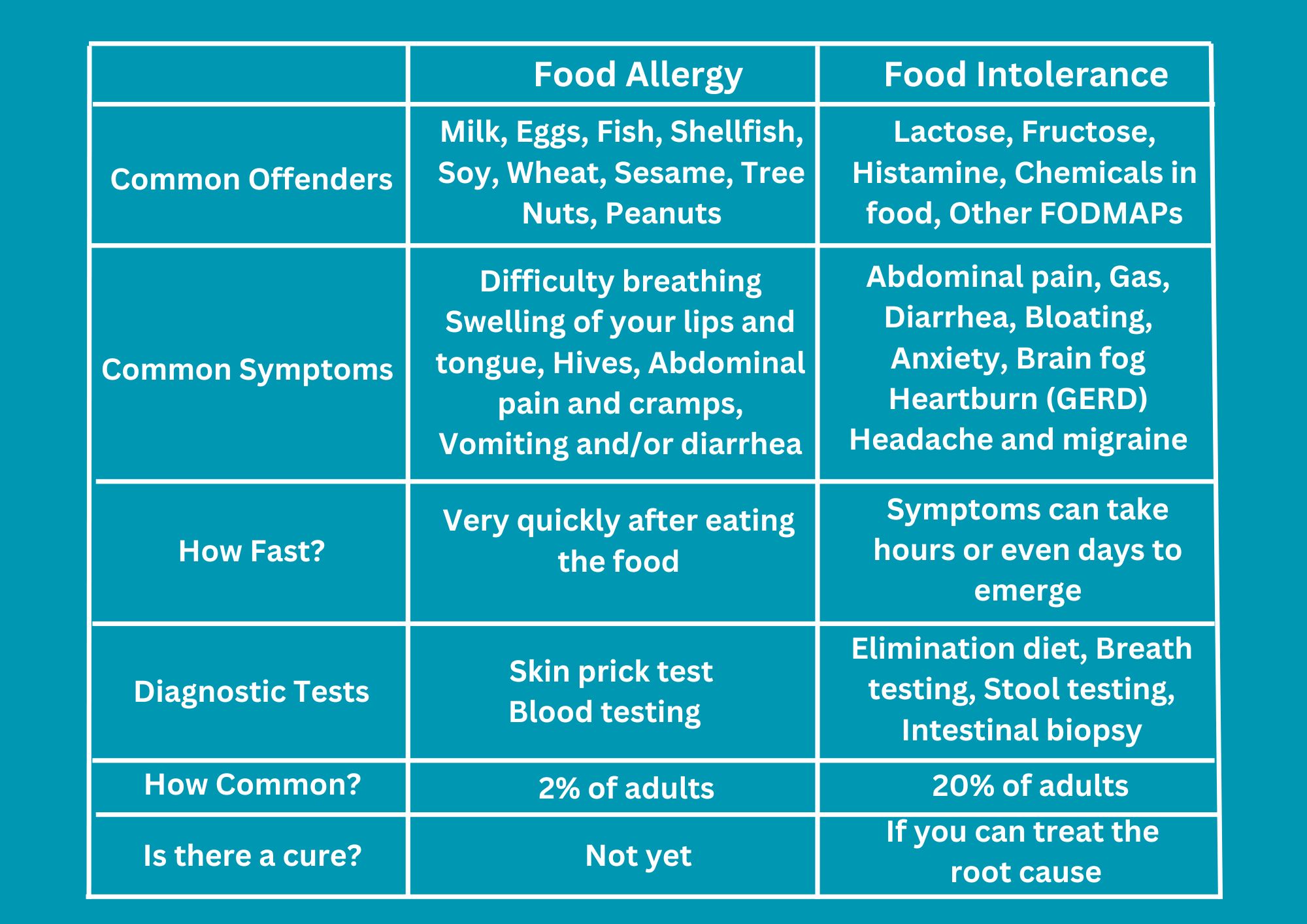
There are several reasons for this breakdown. Some people have a genetic deficiency in certain enzymes, such as sucrase-isomaltase, which makes it nearly impossible to digest specific sugars. Others may suffer from Small Intestinal Bacterial Overgrowth (SIBO), where bacteria in the wrong part of the gut feast on carbohydrates before the body can absorb them. Additionally, insulin resistance plays a major role; when cells stop responding to insulin, glucose remains in the blood longer, leading to inflammation and the “crashing” sensation many people feel. This metabolic inflexibility means the body cannot efficiently switch between burning sugar and burning fat for fuel, resulting in the chronic fatigue associated with the condition.

Managing Your Diet and Finding the Right Recipe for Success
Managing the symptoms of carb intolerance does not mean you have to give up eating enjoyable meals. The key lies in understanding the ingredients that trigger your body and finding alternatives that stabilize your blood sugar. When looking for a new recipe, focus on high-protein and high-fiber components. Fiber slows down the absorption of sugar, which can help mitigate some of the negative effects if you choose to consume moderate amounts of complex carbs.
Meal planning is an essential tool for those dealing with this sensitivity. When you prepare your own food, you have total control over what goes into your body. Consider the following factors when organizing your weekly menu:
- Prep Time: Dedicate an hour on Sundays to chop low-carb vegetables like zucchini, bell peppers, and broccoli. Having these ready reduces the temptation to grab a quick, carb-heavy snack.
- Cooking Time: Many low-carb proteins, like salmon or chicken breast, have a fast cooking time, making it easy to assemble a healthy meal even on busy weeknights.
- Servings and Calories: While calories still matter for weight management, the quality of those calories is more important for carb intolerance. Keep your servings of starches small—think of them as a garnish rather than the main event.
- Instructions for Success: When following a recipe, look for instructions that emphasize whole foods over processed substitutes. For example, instead of using “gluten-free” flour mixes (which are often high in starch), try almond or coconut flour.
By shifting your focus toward healthy fats and lean proteins, you can significantly reduce the internal fermentation that leads to bloating and gas. Over time, many people find that their “intolerance” is actually a “threshold.” You might find you can handle a small serving of berries but cannot touch a bagel. Documentation is key to finding your personal limits.
How to Test Your Carbohydrate Tolerance at Home
If you suspect you are struggling with these symptoms, you don’t necessarily need an expensive laboratory test to start finding answers. An elimination diet is the gold standard for identifying food sensitivities. This involves removing all high-glycemic and potentially problematic carbs for a period of two to four weeks. During this time, you should focus on leafy greens, healthy fats like avocado and olive oil, and high-quality proteins.
After the elimination phase, you slowly reintroduce one carbohydrate source at a time. For instance, you might eat a serving of sweet potato and monitor your reactions for the next 24 hours. Does the brain fog return? Do you feel bloated? By keeping a detailed food and symptom diary, you can pinpoint exactly which ingredients are the culprits. This method is often more accurate than generic blood tests because it accounts for your unique gut microbiome and metabolic rate. It allows you to create a personalized “safe list” of foods that provide energy without the digestive tax.
Expert Tips for Long-Term Management
Managing carb intolerance is a marathon, not a sprint. Professionals recommend a holistic approach that goes beyond just changing what is on your plate. Stress management, for example, is vital because high cortisol levels can worsen insulin resistance and digestive distress. Additionally, the order in which you eat your food matters. Experts suggest eating your fiber (vegetables) first, followed by protein and fats, and saving any carbohydrates for the end of the meal. This sequence significantly flattens the glucose spike and can prevent the onset of symptoms.
Another professional recommendation is to incorporate “resistance starch” into your diet. This is starch that has been cooked and then cooled, such as potatoes or rice that have sat in the fridge overnight. The cooling process changes the chemical structure of the starch, making it harder to digest in the small intestine and allowing it to act more like a prebiotic fiber. This can sometimes allow those with mild intolerance to enjoy these foods with fewer symptoms.
- Use Apple Cider Vinegar: Taking a tablespoon of apple cider vinegar diluted in water before a meal can help improve insulin sensitivity and reduce glucose spikes.
- Walk After Eating: A ten-minute walk after consuming carbohydrates helps your muscles soak up the excess glucose, preventing it from lingering in your system and causing issues.
- Prioritize Sleep: Lack of sleep increases cravings for simple sugars and makes your body less efficient at processing them the following day.
Conclusion
Identifying the symptoms of carb intolerance is the first step toward a more vibrant, energetic life. While the initial realization that your body struggles with starches and sugars can be frustrating, it is actually an opportunity to fine-tune your nutrition for your specific biology. By paying attention to how your body reacts to different ingredients, managing your servings, and utilizing smart recipe modifications, you can eliminate the discomfort of bloating and brain fog. Remember to be patient with yourself as you navigate these changes; your gut health is a journey, and every step toward mindful eating is a victory for your long-term wellness.
❓ Frequently Asked Questions
1
How long does carb intolerance last?
Carb intolerance duration varies by individual. For some, it is a lifelong digestive sensitivity, while others may find it improves after healing the gut microbiome or addressing underlying issues like SIBO. Consistent dietary management and following professional instructions are key to reducing long-term discomfort and improving overall health.
2
Can I make dietary changes ahead of time?
Yes, preparing for a low-carb lifestyle is highly recommended. You can begin by swapping high-sugar ingredients for complex carbohydrates with a lower glycemic index. This proactive approach helps your body adjust more comfortably, reducing the intensity of symptoms like bloating or brain fog often associated with sudden shifts.
3
What can I substitute for high-carb ingredients?
Great substitutes include cauliflower rice for grains, almond flour for baking, and zucchini noodles for pasta. These alternatives allow you to enjoy a familiar recipe without the heavy starch content that triggers intolerance symptoms. They typically require a similar prep time and provide better digestive results for sensitive individuals.
4
How do I know when my body is recovering?
You will know your body is responding well when symptoms like gas, bloating, and lethargy subside. Improvements in energy levels and clearer mental focus are strong indicators that your digestive instructions are working. Regular monitoring of your reactions after eating is essential for tracking your long-term progress and health.
5
Can I freeze low-carb meal prep?
Absolutely. Freezing low-carb meals is a great way to ensure you always have safe ingredients on hand. Most vegetable-based dishes and proteins maintain their quality well when frozen. This strategy reduces the daily cooking time and helps you stick to your dietary goals even when you are busy.