Honey Soy Salad Dressing: Easy & Delicious
Finding the perfect balance between sweet, salty, and acidic is the ultimate goal for any home cook, and this honey soy salad dressing hits every note with precision. Whether you are preparing a quick family dinner on a Tuesday night or looking for a sophisticated way to impress guests at your next backyard party, this dressing is your new secret weapon. It transforms a simple bowl of leafy greens into a gourmet experience that provides comfort and vibrancy in every bite. The rich umami from the soy sauce paired with the floral sweetness of honey creates a luxurious coating that clings perfectly to your favorite vegetables. You will love how this simple addition elevates your healthy eating routine into something you actually look forward to every single day.
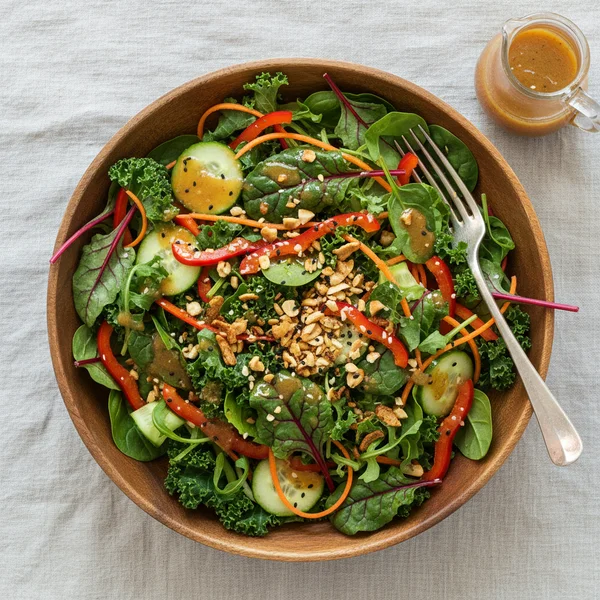
- ⏱️ Prep Time: 5 minutes
- 🍳 Cook Time: 0 minutes
- 👥 Servings: 8 servings
- 📊 Difficulty: Easy
The beauty of a homemade vinaigrette lies in the quality of its components. When you move away from store-bought bottles, you reclaim control over the sugar content and the quality of the oils, making your salads significantly more healthy. This honey soy salad dressing is particularly special because it bridges the gap between Asian-inspired cuisine and classic Western salads. The depth of the soy sauce acts as a flavor enhancer, much like salt but with added complexity, while the honey provides a smooth texture that helps emulsify the oil and vinegar into a cohesive, velvety liquid.
Before we dive into the specific measurements, consider the role each ingredient plays. The oil provides the mouthfeel and carries the flavors across your palate. The acid (in this case, rice vinegar) cuts through the richness and brightens the entire dish. The honey acts as a stabilizer, and the soy sauce provides that addictive savory quality known as umami. Together, they create a dressing that is much more than the sum of its parts. This recipe is designed to be versatile, working just as well on a simple side salad as it does on a hearty main dish topped with protein and crunchy toppings.
Ingredients for Honey Soy Dressing
To achieve the best results, try to use high-quality ingredients. For the soy sauce, a naturally brewed version will offer more depth of flavor. For the honey, a liquid clover or wildflower honey works best as it blends easily without the need for heating.
For the Base Dressing:
- 1/2 cup neutral oil (such as avocado oil, grapeseed oil, or a very light olive oil)
- 1/4 cup naturally brewed soy sauce (or tamari for a gluten-free option)
- 1/4 cup rice vinegar (unseasoned is preferred for better control of sweetness)
- 3 tablespoons liquid honey
- 1 tablespoon toasted sesame oil (for a nutty aroma)
For the Aromatics and Seasoning:
- 1 clove garlic, finely minced or pressed
- 1 teaspoon fresh ginger, finely grated
- 1/2 teaspoon black pepper, freshly cracked
- 1/2 teaspoon toasted sesame seeds (optional, for texture)
- A pinch of red pepper flakes (optional, for a subtle hint of heat)
Step-by-Step Instructions
The process of making this honey soy salad dressing is incredibly straightforward, but paying attention to the order of operations will ensure a perfectly emulsified vinaigrette that doesn’t separate the moment it hits your leafy greens. Follow these detailed steps for the best results.
Step 1: Prepare Your Aromatics
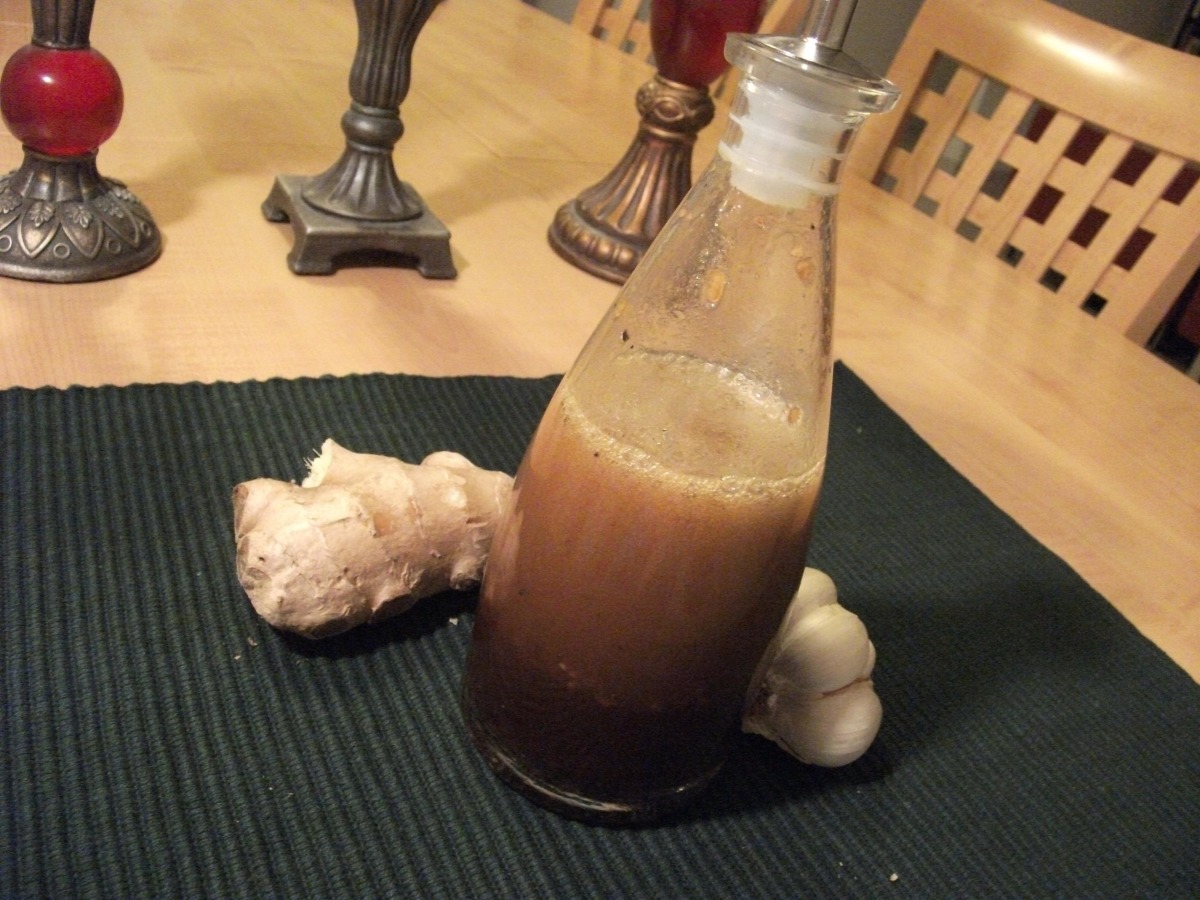
Begin by preparing your fresh ingredients. Garlic and ginger provide the aromatic backbone of this dressing. Use a microplane or a very fine grater to turn the ginger into a pulp; this ensures that the flavor is distributed evenly throughout the liquid rather than leaving you with large, spicy chunks. Similarly, mince the garlic until it is almost a paste. If you have a mortar and pestle, you can crush the garlic and ginger together with a tiny pinch of salt to release all the essential oils.
Step 2: Combine the Liquid Flavor Bases
In a medium-sized glass mixing bowl or a wide-mouthed Mason jar, combine the soy sauce, rice vinegar, and honey. It is vital to whisk these three together first before adding any oil. Because honey is dense, it needs to be fully dissolved into the vinegar and soy sauce to create a uniform base. Use a small wire whisk or a fork and stir vigorously until the honey is no longer visible at the bottom of the container. This step ensures your dressing has a consistent sweetness in every spoonful.
Step 3: Incorporate the Aromatics and Spices
Add your prepared garlic, grated ginger, black pepper, and optional red pepper flakes to the honey and soy mixture. By adding them now, you allow the acids in the vinegar to begin drawing out the flavors of the spices. Let this mixture sit for about two minutes while you measure out your oils. This brief resting period allows the sharp bite of the raw garlic to mellow slightly, resulting in a more balanced finished product.
Step 4: The Emulsification Process
This is the most critical part of the process. If you are using a bowl, begin whisking the soy and vinegar mixture constantly with one hand while very slowly drizzling in the neutral oil with the other. You want to start with just a few drops at a time, then move to a thin, steady stream. This mechanical action breaks the oil into tiny droplets that become suspended in the vinegar, creating a thick, creamy texture. If you are using a Mason jar, you can simply pour all the oil in, fasten the lid tightly, and shake the jar violently for about 30 seconds until the mixture looks opaque and unified.
Step 5: Finish with Sesame Oil
Once the main emulsion is formed, whisk in the toasted sesame oil. Sesame oil is a finishing oil and is highly potent, so it is added at the end to ensure its delicate toasted flavor isn’t lost. After the oils are incorporated, stir in the toasted sesame seeds if you are using them. This adds a lovely visual element and a slight crunch that complements the overall profile.
Step 6: The Taste Test and Adjustment
Every palate is different, and the intensity of your ingredients (especially the vinegar and ginger) can vary. Dip a leaf of your salad greens into the dressing and taste it. If it feels too sharp or acidic, add another teaspoon of honey. If it feels too heavy or oily, add a splash more rice vinegar. If you want more saltiness, add a few drops of soy sauce. Remember that the dressing will taste stronger on its own than it will when tossed with fresh vegetables, so it should be quite bold.
Step 7: Final Tossing
When you are ready to serve, place your leafy greens and fresh vegetables in a large bowl. Drizzle about half of the dressing over the top and use tongs to gently toss the salad. You want every leaf to be lightly glistening but not swimming in liquid. Add more dressing as needed, but always start with less than you think you need. Once the salad is tossed, finish it off with your favorite crunchy toppings like toasted almonds, wonton strips, or extra sesame seeds.
For the best emulsion, ensure all your ingredients are at room temperature. Cold honey is difficult to whisk, and cold oil can sometimes cloud. If your ginger is difficult to grate, try freezing the root first; it will grate much easier while frozen. To give your dressing a professional touch, toast your sesame seeds in a dry pan for 2 minutes until they smell fragrant before adding them to the mix. This small step adds a massive boost to the aromatic quality of the dressing.
What to Serve with Honey Soy Dressing
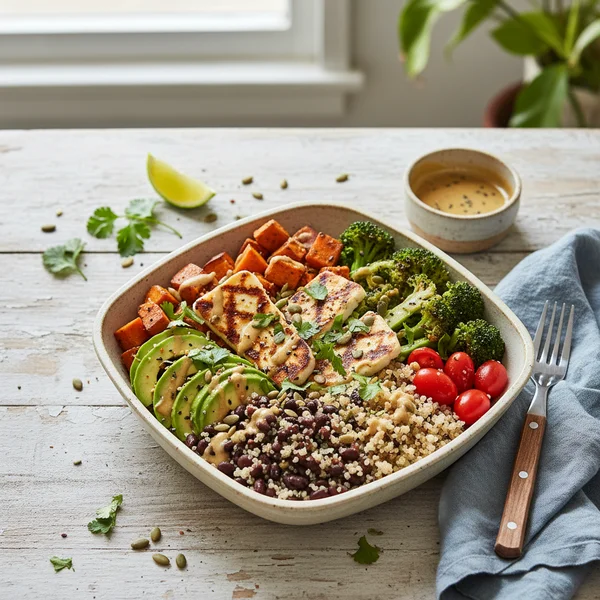
This dressing is incredibly versatile and goes far beyond a simple side salad. Because it has a strong umami profile, it pairs exceptionally well with ingredients that have a bit of sweetness or crunch. Consider creating a “Power Bowl” using a base of quinoa or brown rice, topped with steamed broccoli, shredded carrots, edamame, and sliced avocado. Drizzling this dressing over the grains allows it to soak in, making every bite flavorful.
It is also the perfect companion for leafy greens like kale or spinach. Kale, in particular, benefits from being tossed in this dressing about ten minutes before serving; the acids in the vinaigrette help break down the tough fibers of the kale, making it much more tender and enjoyable to eat. For a more traditional salad, try a mix of romaine and red cabbage to provide a satisfying crunch that stands up well to the richness of the soy and honey.
If you are looking to add protein, this honey soy salad dressing doubles as an excellent marinade. You can use it on chicken breasts, salmon fillets, or even firm tofu. Simply reserve a portion of the dressing to use as a sauce after cooking, and use the rest to marinate your protein for 30 minutes. When grilled or roasted, the honey in the dressing will caramelize, creating a beautiful golden-brown crust and a deeply savory flavor profile.
Finally, don’t forget the crunchy toppings. A salad dressed in this vinaigrette is perfectly complemented by toasted cashews, crushed peanuts, or crispy fried shallots. These elements provide a textural contrast to the fresh vegetables and make the salad feel like a complete, satisfying meal rather than just an afterthought.
Variations & Substitutions
The flexibility of this recipe is one of its best features. If you are following a specific diet or simply missing an ingredient, there are easy ways to adapt. For a vegan version, you can easily substitute the honey with maple syrup or agave nectar; maple syrup provides a similar thickness and a lovely woody sweetness that pairs perfectly with soy. If you need a gluten-free option, ensure you use tamari or coconut aminos instead of traditional soy sauce.
For those who enjoy a bit more heat, you can add a teaspoon of sriracha or chili garlic sauce to the mixture. This transforms the dressing into a spicy-sweet concoction that is fantastic for slaw-based salads. If you prefer a creamier texture, whisk in a tablespoon of creamy peanut butter or tahini. This will thicken the dressing significantly, turning it into more of a satay-style sauce that is perfect for dipping fresh vegetables or drizzling over cold noodle salads.
Storage & Make Ahead
One of the best things about this honey soy salad dressing is that it actually tastes better the next day. As the mixture sits, the garlic and ginger infuse more deeply into the oil and vinegar. You can store the dressing in an airtight container or a glass jar in the refrigerator for up to two weeks.
Before using stored dressing, it is common for the oil to solidify slightly or for the ingredients to separate. Simply take the jar out of the fridge about 15 minutes before you plan to serve to let it reach room temperature, and then give it a vigorous shake to re-emulsify. Do not freeze this dressing, as the emulsion will break and the texture of the fresh aromatics will change significantly upon thawing.
- 🔥 Calories: 145 kcal
- 🥑 Total Fat: 14g
- 🧂 Sodium: 480mg
- 🍭 Total Sugars: 6g
- 💪 Protein: 1g
- 🍞 Carbohydrates: 7g
❓ Frequently Asked Questions
1
How long does honey soy salad dressing last in fridge?
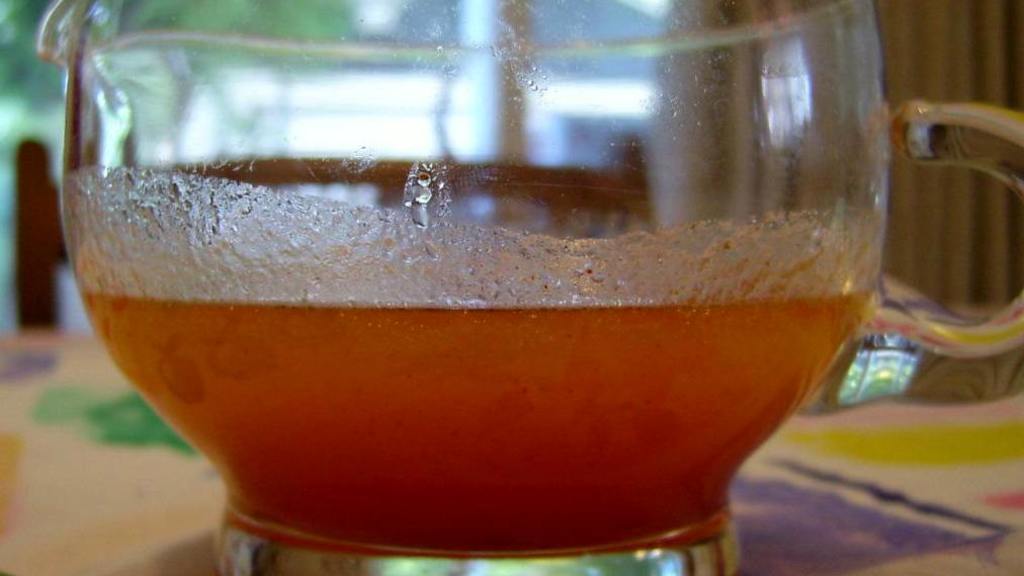
You can store this homemade honey soy salad dressing in an airtight container or glass jar for up to two weeks. Because it contains fresh ingredients like ginger or garlic, check for freshness before each use. Always give the container a good shake to re-emulsify the ingredients before serving.
2
Can I make honey soy salad dressing ahead of time?
Yes, making this dressing ahead of time actually allows the flavors to meld together more deeply. Prepare it at least thirty minutes before serving for the best taste. Store it in the refrigerator and bring it to room temperature for a few minutes before tossing with your leafy greens.
3
What can I substitute for soy sauce in this dressing?
If you need a gluten-free alternative or a soy-free option, coconut aminos are an excellent substitute. They provide a similar savory umami flavor with slightly less salt. Tamari is another great gluten-free choice that maintains the traditional depth of flavor found in standard soy sauce recipes.
4
How do I know when the dressing is properly mixed?
You will know the dressing is done when the oil and vinegar have fully combined into a uniform, slightly thickened liquid. If you see large droplets of oil floating on top, continue whisking or shaking the jar. A properly emulsified vinaigrette will coat your fresh vegetables evenly.
5
Can I freeze honey soy salad dressing?
While you can technically freeze this dressing, it is not recommended because the emulsion will likely break upon thawing. Since it only takes five minutes to whisk together a fresh batch, it is much better to make it fresh or keep a small jar in the refrigerator.