Good Snacks for the Beach: Ultimate Guide
Planning a day by the ocean requires more than just sunscreen and a towel; it demands a strategic approach to nutrition. Finding good snacks for the beach is a balancing act between satisfying hunger and managing environmental factors like heat, sand, and humidity. A well-packed cooler can be the difference between a rejuvenating afternoon and an early trip home due to “hangry” companions or melted treats. In this guide, we will explore the best portable foods that withstand the elements, keep you hydrated, and provide lasting energy for swimming and beach games. You will learn how to choose snacks that are mess-free, nutrient-dense, and easy to pack for any seaside excursion.
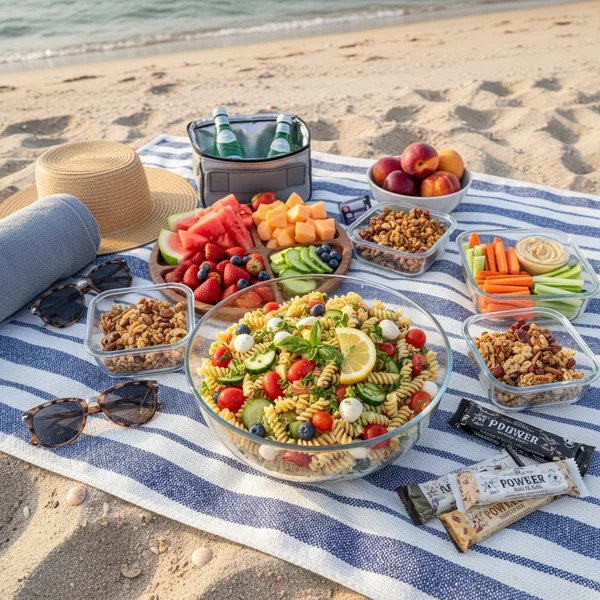
The best beach snacks are those that prioritize high water content for hydration, use non-melting ingredients to resist the sun, and are stored in individual portions to prevent sand contamination.
The Anatomy of a Perfect Beach Snack
When selecting good snacks for the beach, the first consideration should always be durability. The coastal environment is notoriously harsh on food. High temperatures can spoil dairy quickly, while salt air can turn crispy crackers into a soggy mess within minutes. The ideal snack must be “sand-resistant,” meaning it is either bite-sized or comes in a container that minimizes hand-to-food contact. Avoid anything that requires a fork and knife or has a sticky glaze that will act as a magnet for sand particles.
Furthermore, focus on energy density. Swimming and walking on sand burn more calories than typical daily activities. You want snacks that provide a mix of complex carbohydrates for immediate fuel and healthy fats or proteins for sustained satiety. For example, while a bag of potato chips might be tempting, the high sodium content can exacerbate dehydration under the sun. Instead, look for options that offer a natural electrolyte balance. Consider the following criteria when auditing your beach bag contents:
- Portability: Can it be eaten with one hand?
- Heat Resistance: Will it melt or become unappealing if the cooler loses its chill?
- Hydration Factor: Does it contribute to your fluid intake?
- Minimal Waste: Does it leave behind sticky wrappers or rinds that attract bees?
Hydration-Focused Fruits and Vegetables
Maintaining hydration is the most critical aspect of beach safety. While drinking water is essential, you can supplement your intake with high-moisture snacks. Watermelon is the undisputed king of beach fruits, consisting of over 90% water. However, to avoid a sticky mess, it is best to cube it beforehand and store it in a sealed container rather than bringing large wedges. Similarly, grapes are a fantastic option; when frozen the night before, they act as miniature ice packs in your cooler before becoming a refreshing, slushy treat as they thaw.

Vegetables also play a vital role in a beach-day menu. Sliced cucumbers, bell pepper strips, and sugar snap peas offer a satisfying crunch without the grease of processed snacks. These vegetables are robust enough to stay crisp even after a few hours in a cooler. Pairing them with a sturdy dip like hummus provides a boost of fiber and protein. If you are concerned about the dip spoiling, look for individual, shelf-stable hummus cups that only need to be chilled for taste rather than safety.
| Snack Category | Best Examples | Benefit |
|---|---|---|
| Hydrating | Watermelon, Cucumber, Oranges | Replaces lost fluids and electrolytes. |
| Protein-Rich | Beef Jerky, Chickpeas, Almonds | Keeps you full longer during activity. |
| Shelf-Stable | Pretzels, Rice Cakes, Dried Mango | Won’t spoil if the ice melts. |
Protein-Packed Options for All-Day Energy
To keep your energy levels stable through a full day of surfing or beach volleyball, protein is non-negotiable. Traditional sandwiches can often become soggy, so consider “deconstructed” versions. Rolls of deli turkey or ham wrapped around a cheese stick are easy to grab and contain zero bread that might get mushy. Hard-boiled eggs are another nutritional powerhouse, though they must be kept directly against an ice pack to remain safe. Peel them at home to minimize the “sand-on-fingers” struggle when you’re ready to eat.

For those who prefer plant-based protein, roasted chickpeas are an excellent alternative to nuts. They provide a similar crunch and saltiness but with more fiber. Edamame, either steamed and chilled or dry-roasted, is another beach-friendly option that holds up well in the heat. If you do choose nuts, opt for raw or lightly salted varieties to prevent excessive thirst. Nut butters are also great, but rather than bringing a whole jar, utilize single-serve squeeze packs that can be applied directly to apple slices or celery sticks, ensuring the contents remain clean and sand-free.
The Best Portable Beach Recipe: Honey-Oat Energy Bites
If you want a homemade option that covers all the bases—sweet, salty, and energizing—this recipe for Honey-Oat Energy Bites is the ultimate solution. These bites are designed to stay firm in a cooler and provide a quick burst of energy without the “sugar crash” associated with candy bars. The ingredients are simple pantry staples that focus on whole foods. Because there is no baking required, the prep time is minimal, making it a perfect last-minute addition to your beach prep.
To prepare these, you will need the following ingredients: 2 cups of rolled oats, 1 cup of creamy peanut butter (or almond butter), 1/2 cup of honey, 1/2 cup of ground flaxseed, and 1/2 cup of mini dark chocolate chips. Simply mix all components in a large bowl until a sticky dough forms. The instructions are straightforward: roll the mixture into one-inch balls and place them on a parchment-lined tray. Chill them in the refrigerator for at least 30 minutes before packing. This recipe yields approximately 24 servings, with each bite containing roughly 110 calories. Since there is zero cooking time involved, you can whip these up the morning of your trip. They are the perfect good snacks for the beach because they don’t crumble and are easy to pop into your mouth without needing to wash your hands repeatedly.
Cooler Management and Food Safety
Even the best snacks will fail if they aren’t stored correctly. The goal of beach food safety is to keep “cold” foods below 40 degrees Fahrenheit. Instead of loose ice, which melts and creates a pool of water that can seep into containers, use reusable gel packs or frozen water bottles. The frozen bottles serve a dual
To prevent cross-contamination and the “sand factor,” use airtight, locking plastic containers rather than bags. If you must use bags, double-bag items that are prone to leaking or those that are sensitive to moisture. Another pro tip is to pack a separate, smaller cooler for drinks. People tend to reach for drinks more frequently than food; having a dedicated beverage cooler prevents the main food cooler from being opened constantly, which helps maintain a stable internal temperature for your snacks. Labeling containers can also help identify what is inside without having to rummage through the ice, further keeping the cold air trapped where it belongs.
Expert Tips for Beach Snacking
Professional beach-goers often use a “dry-wet” separation system. Place dry snacks like crackers and popcorn in a separate tote bag, and keep only the temperature-sensitive items in the cooler. This prevents your dry goods from absorbing the humidity of the cooler environment. Additionally, experts recommend bringing a small container of cornstarch or baby powder. Rubbing it on your hands helps sand fall off instantly, ensuring that you don’t ingest grit with your snacks.
- Freeze Everything: Freeze your juice boxes and yogurt tubes the night before; they act as extra cooling elements.
- The Muffin Tin Trick: Use silicone muffin liners inside your containers to separate different snacks and prevent them from mixing.
- Pre-Slice: Never bring a whole fruit that requires a knife; pre-slicing at home reduces mess and exposure to the elements.
- Avoid Chocolate: Unless it’s mixed into a cold energy bite, solid chocolate will turn into a liquid mess in minutes.
Conclusion
Finding good snacks for the beach is a matter of preparation and choosing the right ingredients for the environment. By focusing on hydrating fruits, stable proteins, and mess-free recipes like energy bites, you can ensure your group stays fueled and happy. Remember to prioritize airtight storage and effective cooler management to keep your food safe and sand-free. Next time you head to the shore, skip the greasy boardwalk fries and opt for these nutrient-dense alternatives. Your body—and your beach towel—will thank you for the thoughtful planning and delicious variety.
❓ Frequently Asked Questions
1
How long does pasta salad last in fridge?
This beach-ready pasta salad typically lasts for up to 3 to 5 days when stored in an airtight container in the refrigerator. The flavors often meld together over time, making it even more delicious the next day, though vegetables may lose some of their crunch after several days.
2
Can I make beach snacks ahead of time?
Absolutely! In fact, most good snacks for the beach like pasta salad, sliced veggies, or homemade trail mix are best prepared the night before. This allows the food to chill completely and saves you precious time on the morning of your big seaside trip or summer vacation.
3
What can I substitute for feta cheese?
If you aren’t a fan of feta, you can easily substitute it with fresh mozzarella pearls, goat cheese, or even cubes of sharp cheddar. For a vegan option, marinated tofu or a sprinkle of nutritional yeast provides a great flavor profile without using any dairy products at all.
4
How do I know when the pasta is done?
For beach snacks, you want the pasta to be ‘al dente,’ meaning it has a slight bite to it. Start checking the texture about two minutes before the package instructions suggest. This prevents the pasta from becoming mushy after sitting in the dressing inside your sandy cooler bag.
5
Can I freeze beach snacks?
While you shouldn’t freeze the pasta salad itself, you can freeze grapes, orange slices, or yogurt tubes. These act as mini ice packs in your cooler bag and provide a refreshing, icy treat as they slowly thaw under the warm sun during your long day at the beach.