Ways to Cook Food: Ultimate Master Recipe
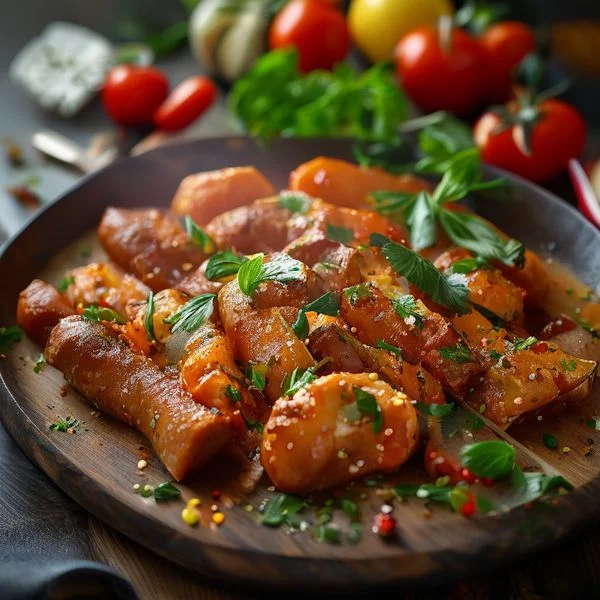
There is something truly magical about the aroma of garlic and butter mingling in a hot pan, a scent that instantly signals a comforting meal is on the way. Whether you are a seasoned home chef or someone just starting to explore different ways to cook food, this Garlic Butter Chicken and Asparagus recipe is guaranteed to become a staple in your weekly rotation. It strikes the perfect balance between a healthy, nutrient-dense meal and pure, indulgent soul food. The chicken comes out incredibly succulent with a golden-brown crust, while the asparagus retains a crisp-tender snap that brightens the entire plate. This dish is specially designed for busy weeknights when you want a gourmet experience without spending hours over the stove. Families love it because it is approachable, and fitness enthusiasts adore it for the high protein content and fresh ingredients.
- ⏱️ Prep Time: 15 minutes
- 🍳 Cook Time: 20 minutes
- 👥 Servings: 4 servings
- 📊 Difficulty: Easy
Ingredients
To ensure the best results for this recipe, try to use the freshest produce available. The quality of your ingredients will shine through in the final flavor profile.
- For the Chicken:
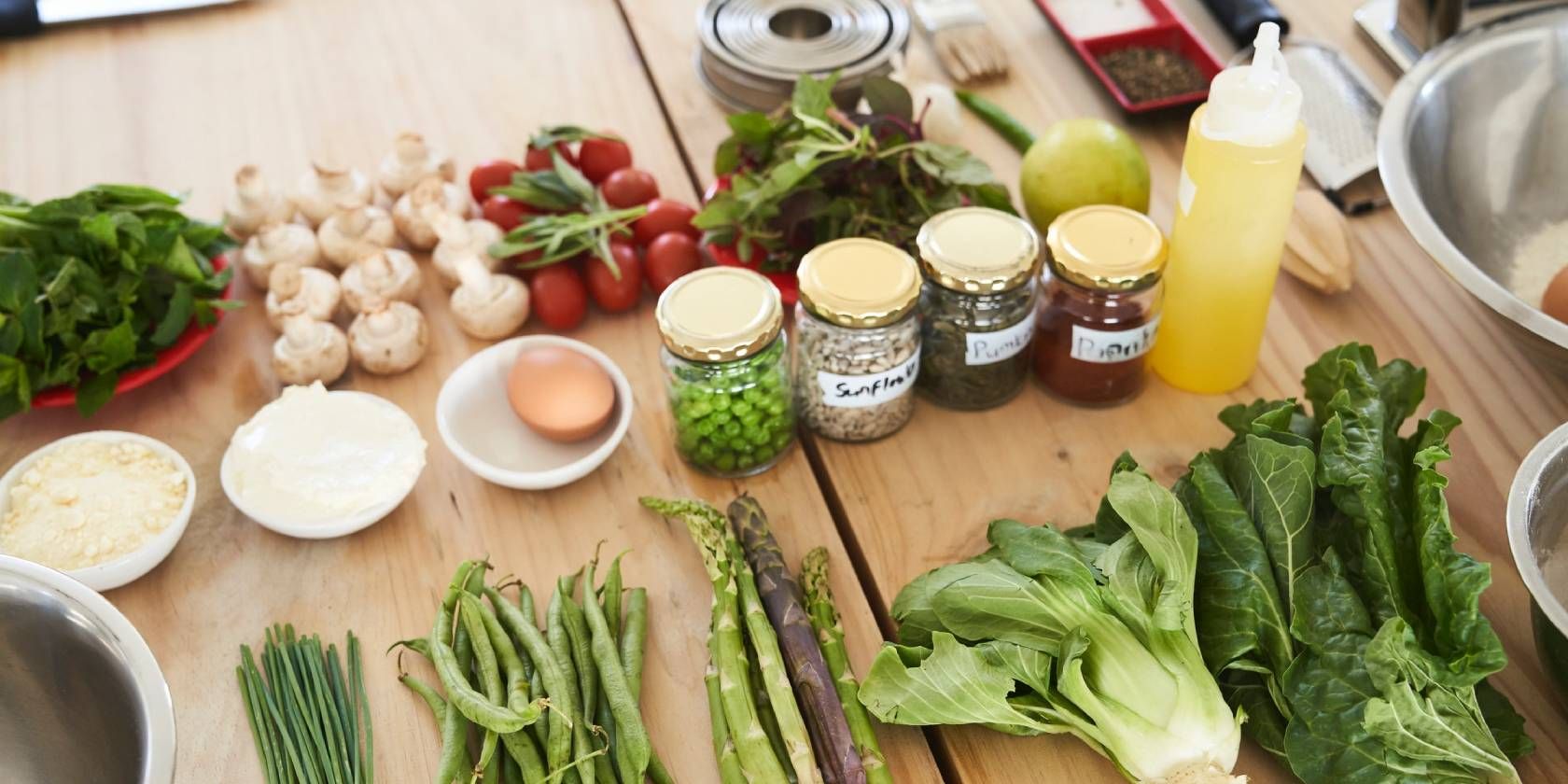
- 1.5 pounds boneless, skinless chicken breasts, cut into 1-inch bite-sized cubes
- 2 tablespoons olive oil (extra virgin preferred)
- 1 teaspoon smoked paprika
- 1 teaspoon onion powder
- Salt and freshly cracked black pepper to taste
- For the Asparagus and Sauce:
- 1 large bunch of fresh asparagus, woody ends trimmed and cut into 2-inch pieces
- 4 tablespoons unsalted butter, divided
- 5 cloves of garlic, minced finely
- 1 tablespoon fresh lemon juice
- 1/2 teaspoon red pepper flakes (optional for a touch of heat)
- 1/4 cup fresh parsley, chopped for garnish
- 1/2 cup chicken broth or dry white wine for deglazing
Step-by-Step Instructions
1. Start by preparing your protein. Take the cubed chicken and place it in a medium-sized mixing bowl. Drizzle one tablespoon of olive oil over the meat, then sprinkle in the smoked paprika, onion powder, salt, and pepper. Use your hands or a spoon to toss the chicken thoroughly, ensuring every single piece is evenly coated in the spices. This step is crucial because it builds the foundational flavor layer and helps create a beautiful crust during the searing process.
2. Place a large, heavy-bottomed skillet or cast-iron pan over medium-high heat. Add the remaining tablespoon of olive oil. Once the oil is shimmering and hot—but not smoking—carefully add the chicken pieces in a single layer. It is very important not to overcrowd the pan; if your skillet is small, you should cook the chicken in two separate batches. Let the chicken cook undisturbed for about 3 to 4 minutes. This patience allows the meat to develop a deep, golden-brown sear which locks in the juices.
3. Flip the chicken pieces over and continue to cook for another 3 to 5 minutes until they are cooked through and no longer pink in the center. Once done, use a slotted spoon to remove the chicken from the skillet and transfer it to a clean plate. Cover the plate loosely with foil to keep the meat warm while you move on to the vegetables. Do not wipe out the pan, as those brown bits left behind, known as fond, are packed with intense flavor.
4. Lower the heat to medium and add two tablespoons of the butter to the same skillet. Once the butter has melted and started to foam slightly, toss in the trimmed asparagus pieces. Sauté the asparagus for about 4 to 6 minutes, turning them occasionally with tongs. You want them to turn a vibrant, bright green and become tender while still maintaining a slight crunch in the middle. Timing is everything here; overcooked asparagus can become mushy, so keep a close eye on them.
5. Clear a small space in the center of the skillet and add the minced garlic and red pepper flakes. Cook the garlic for just about 60 seconds. You will know it is ready when the kitchen begins to smell absolutely incredible. Be careful not to let the garlic turn dark brown or black, as burnt garlic tastes bitter and can ruin the delicate balance of the sauce.
6. Pour the chicken broth or white wine into the skillet to deglaze it. Use a wooden spoon to gently scrape the bottom of the pan to release all those savory caramelized bits from the chicken. Let the liquid simmer for about 2 minutes until it has reduced by half. This concentrates the flavors and creates a velvety base for your sauce.
7. Add the remaining two tablespoons of butter and the fresh lemon juice to the skillet. Stir constantly until the butter has melted into the liquid, creating a glossy, rich sauce. Return the cooked chicken back into the skillet along with any juices that may have collected on the plate. Toss everything together for 1 to 2 minutes so the chicken and asparagus are thoroughly glazed in the garlic butter sauce.
8. Turn off the heat and garnish the dish generously with fresh parsley. The herbs add a pop of color and a fresh finish that cuts through the richness of the butter. Serve your meal immediately while it is piping hot and the sauce is at its most fluid and flavorful consistency.
To get the best sear on your chicken, always pat the meat dry with paper towels before adding the oil and spices. Moisture is the enemy of browning! Additionally, if you prefer a thicker sauce, you can whisk in a teaspoon of cornstarch mixed with water during the deglazing step to give it extra body.

Variations & Substitutions
There are many ways to cook food that cater to different dietary needs, and this recipe is highly adaptable. If you are looking for a vegan or dairy-free alternative, simply replace the chicken with firm tofu cubes or chickpeas and use a high-quality plant-based butter and vegetable broth. For those following a gluten-free lifestyle, ensure your chicken broth is certified gluten-free, though most natural ingredients here already fit the bill. If you aren’t a fan of asparagus, this recipe works beautifully with broccoli florets, snap peas, or even thinly sliced bell peppers. To add a different flavor dimension, try adding a tablespoon of soy sauce or balsamic glaze during the final tossing step for an umami-rich twist.
Storage & Make Ahead
If you happen to have leftovers, this dish stores remarkably well. Place the chicken and vegetables in an airtight container and keep them in the refrigerator for up to three days. When you are ready to enjoy it again, reheat it in a skillet over low heat with a splash of water or broth to loosen the sauce; avoid the microwave if possible to prevent the chicken from becoming rubbery. While you can freeze this recipe for up to a month, the asparagus may lose some of its crisp texture upon thawing. For the best make-ahead results, prep the garlic and chop the vegetables a day in advance.
- Calories: 345 kcal
- Protein: 38g
- Fat: 18g
- Carbohydrates: 6g
- Fiber: 2g
Note: Nutritional values are estimates based on standard ingredient measurements.
❓ Frequently Asked Questions
1
How long does cooked food last in fridge?
Most cooked dishes last for 3 to 4 days when stored in an airtight container in the refrigerator. Ensure the food has cooled to room temperature before sealing to prevent moisture buildup, which can lead to bacterial growth and spoilage. Always reheat food thoroughly before serving again.
2
Can I make these meals ahead of time?
Yes, many of these cooking methods are perfect for meal prep. You can chop your ingredients and prepare sauces a day in advance. Roasting or braising food often tastes even better the next day as the flavors have more time to meld together in the refrigerator.
3
What can I substitute for olive oil?
If you do not have olive oil, you can use butter, coconut oil, or avocado oil depending on the heat level. Avocado oil is great for high-heat searing, while butter adds a rich flavor to sautéed vegetables. Choose a neutral oil like grapeseed for a lighter taste.
4
How do I know when the food is done?
The best way to tell if food is cooked is by using an instant-read thermometer. For meat, check the internal temperature against safety guidelines. For vegetables, they should be fork-tender but still retain some vibrant color. Visual cues like browning and aroma are also excellent indicators.
5
Can I freeze cooked food?
Most cooked proteins and grains freeze exceptionally well for up to three months. However, watery vegetables like zucchini or leafy greens may change texture after thawing. Use freezer-safe bags or containers and remove as much air as possible to prevent freezer burn and maintain high food quality.