What is Purple Juice: Ultimate Nutritious Guide
Purple juice is a nutrient-rich, vibrant beverage made from deep-colored fruits and vegetables like Concord grapes, blueberries, blackberries, red cabbage, and beets. Its signature hue comes from anthocyanins, powerful antioxidants that provide anti-inflammatory benefits. This refreshing drink is often served chilled or frozen, offering a hydrating alternative to sugary sodas while delivering a concentrated dose of vitamins C and K, fiber, and heart-healthy phytonutrients.

The Science and Benefits Behind Purple Juice
Purple juice is more than just a visually striking beverage; it is a nutritional powerhouse characterized by its high concentration of anthocyanins. These are a type of flavonoid, a class of compounds with antioxidant effects. In nature, the deep purple and blue pigments in plants serve to protect them from environmental stressors, and when consumed by humans, these same compounds help combat oxidative stress and inflammation in the body. Beyond the science of pigments, this drink is exceptionally hydrating, making it a favorite for those looking to replenish fluids after exercise or on a warm day.
The ingredients typically found in purple juice vary depending on the desired flavor profile. A fruit-forward version might rely heavily on Concord grapes, which are famous for their robust, musky sweetness and high polyphenol content. Alternatively, a more earthy, vegetable-heavy version might feature beets and red cabbage. Beets are particularly prized in the juicing community for their ability to support blood flow and athletic performance. When you combine these ingredients in a high-speed blender, you create a drink that is both refreshing and biologically functional.
Another reason for the popularity of purple juice is its versatility. It can be enjoyed as a pure juice, a thicker smoothie-style beverage, or even a frozen treat. Because many of the ingredients, such as blueberries and blackberries, are available as frozen produce, it is easy to whip up a chilled glass of juice regardless of the season. The inclusion of dark leafy greens like purple kale can further elevate the nutritional profile, adding essential minerals without compromising the deep, alluring color of the drink.
How to Make Fresh Purple Juice at Home
Making your own purple juice allows you to control the sugar content and ensure that you are getting the freshest possible nutrients. While a dedicated juicer is excellent for a thin, crisp consistency, using a high-powered blender is often more convenient for many households and preserves the beneficial fiber found in the skins of the fruit. Follow these steps to create a balanced, delicious batch.

1. Prepare Your Ingredients: Start by gathering a mix of purple produce. A great base recipe includes one cup of frozen blueberries, half a small raw beet (peeled and sliced), a handful of purple grapes, and a small wedge of red cabbage. To balance the earthiness of the vegetables, add half a green apple or a squeeze of fresh lemon juice.
2. Load the Blender: Place the heavier, denser items like the beets and frozen berries at the bottom of the blender. If you are using fresh fruit instead of frozen, add half a cup of ice to ensure the final result is perfectly chilled and refreshing. Adding a liquid base is essential; use plain water, coconut water for extra electrolytes, or a splash of unsweetened grape juice to help the blades move.
3. Blend Until Smooth: Start the blender on a low speed to break up the larger chunks of frozen fruit and beets, then gradually increase to the highest setting. Blend for about 60 seconds until the mixture is completely liquefied. If the consistency is too thick, add a little more water and pulse again.
4. Strain and Serve: If you prefer a traditional “juice” consistency, pour the mixture through a fine-mesh sieve or a nut milk bag into a glass pitcher. This removes the pulp, leaving you with a silkier liquid. However, many prefer to drink it as-is to keep the fiber intact. Serve the juice over extra ice and add a garnish, such as a sprig of mint or a few floating blackberries, for a professional touch.
Important Considerations for Quality and Taste
When preparing or purchasing purple juice, there are several factors to keep in mind to maximize both the health benefits and the flavor. One of the most common mistakes is the over-reliance on high-sugar fruits. While grapes and berries are delicious, their natural sugar content can add up quickly. To keep the drink balanced and truly hydrating, aim for a ratio of 60% vegetables to 40% fruit. Adding ingredients like cucumber or celery can increase the volume and hydration levels without spiking the sugar count.
Staining is another practical consideration. The pigments in beets and blackberries are incredibly potent and can easily stain countertops, plastic blender jars, and even teeth. It is a good practice to rinse your equipment immediately after use. Additionally, if you are using raw beets or red cabbage, be aware that these can have a very strong, “earthy” or “sulfuric” taste if used in large quantities. Start with small amounts and increase them as your palate adjusts to the flavor profile.
Lastly, consider the source of your ingredients. Since you are consuming the juice in a concentrated form, opting for organic produce is often recommended, especially for fruits like grapes and berries that may otherwise have pesticide residues on their thin skins. If fresh organic produce isn’t available, frozen options are an excellent alternative as they are usually picked and frozen at peak ripeness, locking in the nutrients and providing a great texture for a chilled beverage.
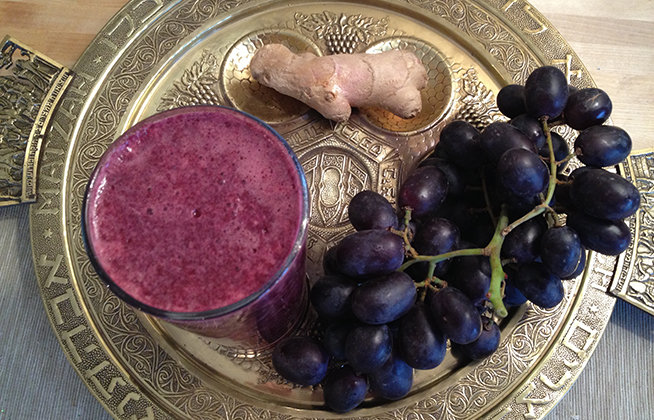
- Enhance the refreshing quality by adding a small piece of fresh ginger for a spicy kick and digestive support.
- Use a decorative garnish like a lemon wheel or frozen grapes to make the drink look as good as it tastes.
- If the juice is too tart, add a few drops of liquid stevia or a teaspoon of raw honey instead of refined sugar.
- Store any leftover juice in an airtight glass jar in the refrigerator for no more than 24 hours to prevent oxidation.
Conclusion
Purple juice is a versatile and incredibly healthy addition to any diet, offering a unique combination of deep flavors and potent antioxidants. Whether you are using a blender to create a fiber-rich morning drink or a juicer for a crisp, chilled afternoon treat, the key lies in the quality and variety of your purple produce. By balancing sweet fruits with earthy vegetables and serving the drink over ice, you can enjoy a beverage that is as hydrating as it is beautiful. Experiment with different garnishes and ingredient ratios to find the perfect blend that suits your personal taste and wellness goals.
❓ Frequently Asked Questions
1
How long does purple juice last in fridge?
Homemade purple juice typically lasts for 24 to 48 hours when stored in an airtight container. Because it lacks preservatives, the nutrients begin to degrade quickly after blending. For the best taste and maximum nutritional benefits, it is highly recommended to consume it as soon as possible.
2
Can I make purple juice ahead of time?
You can prepare purple juice a few hours in advance, but it is best enjoyed fresh. If you must make it ahead, keep it tightly sealed in the refrigerator to minimize oxidation. Give it a quick shake or stir before serving to redistribute any settled pulp or sediment.
3
What can I substitute for concord grapes?
If concord grapes aren’t available, you can substitute them with frozen blueberries, blackberries, or even purple cabbage for a savory twist. Each alternative provides a similar deep purple hue and is rich in antioxidants, though the sweetness levels will vary depending on which fruit or vegetable you choose.
4
How do I know when purple juice is done?
Your purple juice is ready when all ingredients are completely liquefied and the color is a deep, uniform violet. If you prefer a thinner consistency, you can strain the mixture through a fine-mesh sieve or nut milk bag to remove any remaining pulp from the blender process.
5
Can I freeze purple juice?
Yes, you can freeze purple juice for up to three months. Pour the liquid into ice cube trays for easy portioning or use freezer-safe containers. Frozen juice cubes are perfect for adding to smoothies later or serving in a glass of water for a refreshing, hydrating flavor boost.