How to Juice a Lime: Easy & Perfect Methods
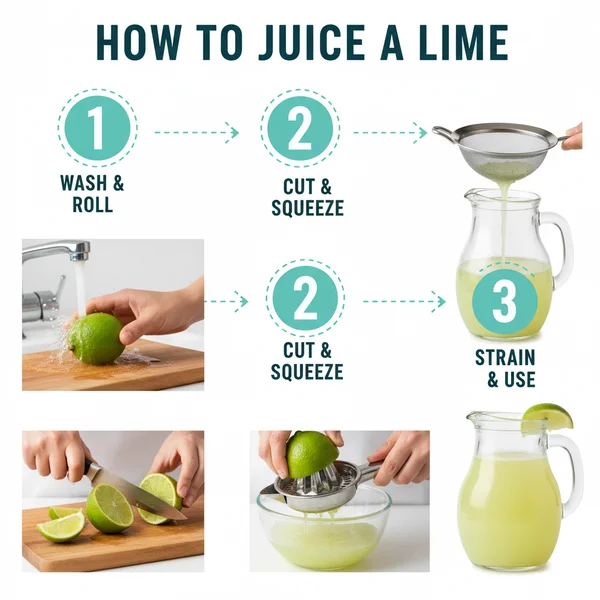
To juice a lime efficiently, first roll it firmly against a countertop to break the internal membranes. Cut the lime in half crosswise and use a handheld citrus squeezer or a wooden reamer to extract the liquid. For the highest yield, ensure the fruit is at room temperature before starting. If you are making a large batch of refreshing limeade, you can even use a high-speed blender to process whole limes with water and ice for a frothy, hydrating beverage.
The Science and Benefits of Fresh Lime Juicing
Understanding how to juice a lime properly is more than just a culinary skill; it is a way to unlock the potent, aromatic oils and tart acidity that define tropical and summer cuisine. Unlike bottled juices, which often undergo pasteurization and contain preservatives, fresh lime juice provides a bright, zingy flavor profile that is essential for making a drink truly refreshing. The juice contains high levels of citric acid and Vitamin C, making it an excellent choice for those looking to stay hydrating and healthy.
Limes are structurally unique compared to larger citrus fruits like oranges or grapefruits. They have thinner skins and tighter juice vesicles. This means that if you try to juice them while they are chilled, the cold temperature keeps the cell walls rigid, preventing the juice from flowing freely. By allowing the lime to reach room temperature, or even slightly warming it, you lower the viscosity of the juice and soften the internal membranes. This small step can increase your yield by up to 20 percent.
Furthermore, the zest of the lime contains essential oils that provide a deep, floral aroma. When you juice a lime using a manual press, some of these oils are expressed from the skin into the juice, enhancing the sensory experience of your beverage. Whether you are preparing a garnish for a chilled glass of sparkling water or looking to create a frozen treat, the method you choose for extraction will dictate the final balance of sweetness, acidity, and bitterness in your drink.
Step-by-Step Guide to Maximum Lime Juice Extraction
To get every last drop of juice from your citrus, follow these professional techniques. Depending on the equipment you have available, you might choose a manual approach or a mechanized one using a blender.

Method 1: The Handheld Squeezer (The Professional Choice)
1. Prep the Fruit: Roll the lime on a hard surface using the palm of your hand for 15 seconds. This “massaging” helps burst the juice sacs inside.
2. The Cut: Slice the lime in half across the middle (equator).
3. The Placement: Place the lime half into the squeezer with the cut side facing down, toward the holes. This may seem counterintuitive, but it allows the squeezer to invert the fruit, pushing the juice out more effectively.
4. The Squeeze: Firmly press the handles together over a bowl or glass filled with ice for an immediate chilled effect.
Method 2: The Blender Method (For Refreshing Limeades)
This method is popular for making “Brazilian Lemonade,” which actually uses limes. It creates a creamy, hydrating drink that is perfect for hot days.
1. Wash Thoroughly: Since you will be using the whole fruit, scrub the skins to remove any wax or debris.
2. Quarter the Limes: Cut the limes into four or eight pieces and place them directly into the blender canister.
3. Pulse with Water: Add cold water and sugar (or your preferred sweetener). Pulse the blender only 5 to 7 times. Do not over-blend, as the white pith will make the drink bitter.
4. Strain and Serve: Pour the mixture through a fine-mesh strainer into a pitcher. Serve immediately over plenty of ice, or blend the strained liquid with more ice to create a frozen slushie texture.
Method 3: The Fork or Reamer Technique
1. Heat Slightly: If the lime is very firm, microwave it for 10 seconds.
2. The Vertical Cut: Instead of cutting the lime in half, some chefs prefer to cut “cheeks” off the sides, leaving a square core. This exposes more surface area.
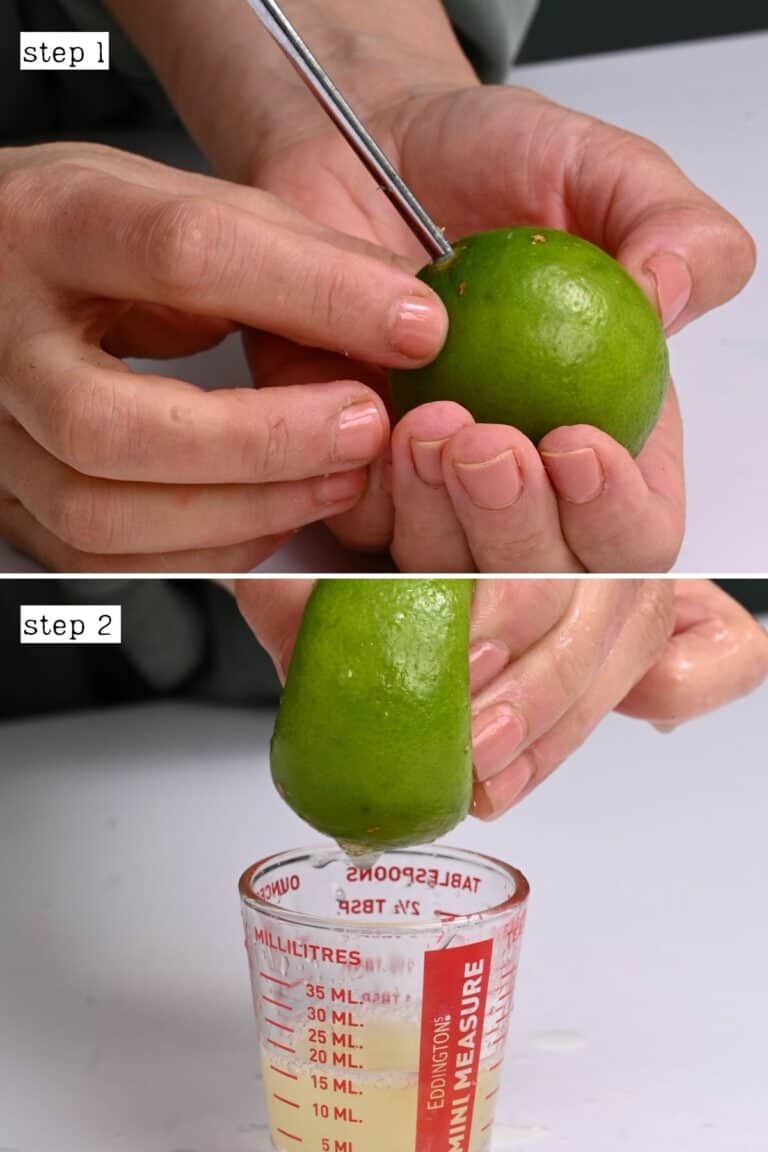
3. Extract: Insert a fork or a wooden reamer into the center of the lime segment. Twist and press simultaneously while squeezing the fruit with your other hand. This method is excellent when you need a quick garnish and a splash of juice for a single serving.
Important Considerations for Perfect Results
While juicing a lime seems straightforward, there are several factors that can ruin the flavor of your beverage if not handled correctly. The most significant issue is the “pith,” which is the white, fibrous layer between the green skin and the juicy flesh. The pith is extremely bitter. If you use a high-powered blender and process the fruit for too long, you will release these bitter compounds, overpowering the refreshing tartness of the juice.
Another consideration is the type of lime you are using. Persian limes are the most common and are generally seedless and juicy. Key limes, however, are much smaller, more acidic, and often contain many seeds. If you are juicing Key limes, you will need significantly more fruit to reach the same volume of juice, and a fine-mesh strainer is mandatory to catch the seeds.
Shelf life is also a vital factor. Freshly squeezed lime juice begins to oxidize the moment it hits the air. For the most hydrating and vibrant flavor, use the juice within two to four hours. If you must store it, keep it in a sealed glass container and ensure it remains chilled. For long-term storage, consider pouring the juice into ice cube trays. These frozen lime cubes can be dropped into water or tea later, providing a slow release of citrus flavor without diluting the drink excessively.
- Temperature Matters: Always bring your limes to room temperature before juicing. A warm lime yields significantly more liquid than a cold one.
- Use a Microplane: If you want the maximum aromatic punch, zest the lime before juicing it. The zest can be used as a garnish or stirred into the drink for extra depth.
- The Longitudinal Cut: Instead of cutting across the middle, try cutting the lime into three vertical slices around the core. This “restaurant style” cut makes manual squeezing much easier for the hands.
- Salt Your Glass: To enhance the refreshing nature of lime juice, add a tiny pinch of sea salt to your chilled beverage. It balances the acidity and highlights the citrus notes.
- Strain Twice: For a crystal-clear juice, strain once through a coarse sieve and a second time through a fine-mesh strainer to remove all pulp and tiny seeds.
Maximizing the Utility of Your Lime
The utility of a lime does not end with the juice. Once you have extracted the liquid, the remaining husks can serve several purposes. Many mixologists use the spent shells as a garnish, placing them face-up in a chilled drink to hold a small amount of high-proof spirit or additional aromatics. The peels can also be tossed into a blender with sugar to create a citrus-infused simple syrup, ensuring that no part of the fruit goes to waste.
When serving lime-based drinks, the presentation is just as important as the extraction. Serving your juice in a chilled glass with plenty of ice ensures that the volatile flavor compounds remain stable. For an aesthetically pleasing finish, a thin wheel of lime or a long twist of zest provides a visual cue of the refreshing experience to come. By mastering these juicing techniques, you ensure that every beverage you create is perfectly balanced, deeply hydrating, and bursting with the vibrant energy of fresh citrus.
In conclusion, juicing a lime is a simple task that benefits greatly from a few professional touches. Whether you are using a manual press for a single garnish, a reamer for a culinary recipe, or a blender for a frozen batch of limeade, the key is to prioritize the temperature of the fruit and the speed of extraction. By following these steps, you will consistently produce a high-quality, refreshing juice that elevates any beverage or dish.
❓ Frequently Asked Questions
1
How long does lime juice last in fridge?
Freshly squeezed lime juice typically lasts for about 2 to 3 days in the refrigerator when stored in a sealed glass container. After this period, the juice begins to lose its bright, refreshing acidity and may develop a slightly bitter or metallic taste due to oxidation and enzyme activity.
2
Can I make lime juice ahead of time?
Yes, you can squeeze lime juice a few hours ahead of time, which is perfect for prepping cocktails or hydrating drinks. However, for the most vibrant flavor, it is best used within 24 hours. If you need it later, freezing it in small portions is a much better alternative.
3
What can I substitute for fresh lime juice?
Fresh lemon juice is the most common substitute as it provides a similar level of acidity and refreshing citrus notes. If you are making a recipe that requires a specific lime profile, you can also use bottled organic lime juice, though the flavor may be less intense and slightly muted.
4
How do I know when a lime is done being juiced?
A lime is fully juiced when the interior pulp looks flattened and dry, and no more liquid escapes when pressure is applied. If using a manual press, the rind will often be inverted. Make sure to scrape the remaining pulp for extra flavor if you are not using a strainer.
5
Can I freeze lime juice?
Freezing lime juice is an excellent way to preserve it. Pour the fresh juice into ice cube trays for perfectly portioned amounts. Once frozen, transfer the cubes to a freezer bag. These cubes are perfect for dropping into a blender for smoothies or simply adding to water for a hydrating boost.