Does Mango and Blueberry Go Together? Perfect Pairing
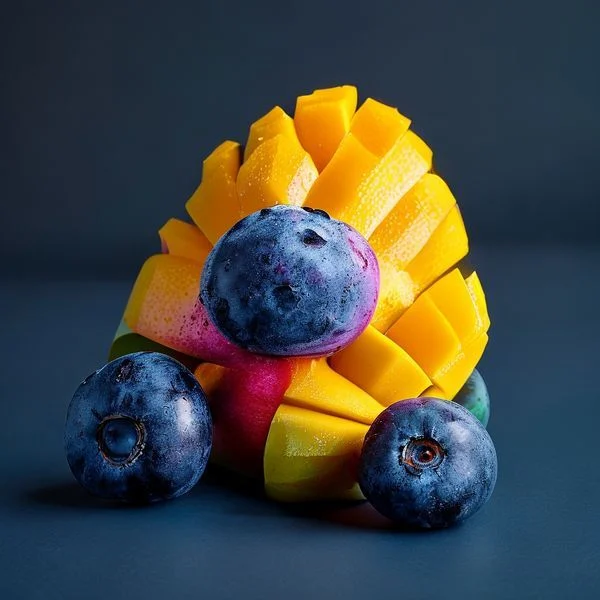
Yes, mango and blueberry go together exceptionally well. This pairing is a culinary favorite because the creamy, tropical sweetness of the mango perfectly balances the slightly tart, floral, and acidic notes of the blueberry. Whether used in smoothies, salads, or baked goods, they create a harmonious blend of flavors and a striking visual contrast of bright orange and deep purple.
Why Mango and Blueberry Are a Perfect Flavor Pairing
The combination of mango and blueberry is more than just a colorful coincidence; it is rooted in a sophisticated balance of flavor profiles. Mangoes are known for their dense, succulent texture and a sugar content that carries hints of peach, pineapple, and sometimes a resinous, pine-like undertone. Blueberries, on the other hand, provide a “pop” of juiciness that is both sweet and tangy. The acidity in blueberries helps to cut through the heavy sweetness of a very ripe mango, preventing a dish from becoming cloying.
From a scientific perspective, both fruits share certain aromatic compounds, specifically esters and terpenes, which create a bridge between their distinct profiles. While the mango brings a tropical warmth, the blueberry adds an earthy, woodland freshness. This synergy is why you often find them paired in high-end culinary applications, such as fruit salsas for grilled fish or layered breakfast parfaits.
Beyond taste, the textural interplay is significant. Mangoes offer a soft, buttery mouthfeel, while blueberries provide a satisfying snap when bitten. Nutritionally, they are a powerhouse duo. Mangoes are loaded with Vitamin A and C, while blueberries are famous for their high concentration of antioxidants, specifically anthocyanins. When you consume them together, you are getting a broad spectrum of phytonutrients that support immune health and reduce inflammation. This makes them a popular choice for health-conscious cooks looking to enhance their daily fruit intake without sacrificing flavor.
How to Make a Honey-Glazed Mango and Blueberry Crisp
If you are looking for a delicious way to utilize this fruit duo, a fruit crisp is an excellent choice. This recipe emphasizes the natural sweetness of the fruits while adding a crunchy, buttery topping. It is a crowd-pleasing dessert that works well for summer gatherings or cozy winter evenings.
Recipe Details
- Prep time: 15 minutes
- Cooking time: 35 minutes
- Servings: 6 people
- Calories: 245 per serving
Ingredients
To prepare the fruit base, you will need two large, ripe mangoes (peeled and diced) and two cups of fresh blueberries. For the topping, gather one cup of rolled oats, half a cup of all-purpose flour, half a cup of brown sugar, and six tablespoons of chilled, unsalted butter cut into small cubes. A pinch of salt and a teaspoon of cinnamon will help round out the flavors.
Instructions
- Preheat your oven to 375°F (190°C). Lightly grease an 8×8 inch baking dish with butter or non-stick spray.
- In a large mixing bowl, gently toss the diced mango and blueberries together. You can add a tablespoon of honey or maple syrup if your fruit is particularly tart, though the natural sugars are usually sufficient.
- Transfer the fruit mixture into the prepared baking dish, spreading it out into an even layer.
- In another bowl, combine the oats, flour, brown sugar, cinnamon, and salt. Use your fingers or a pastry cutter to work the cold butter into the dry mixture until it resembles coarse crumbs.
- Sprinkle the crumble topping evenly over the fruit. Ensure there are no large gaps so the fruit steams properly underneath the crust.
- Place the dish in the oven and bake for 30 to 35 minutes. You will know it is done when the fruit juices are bubbling at the edges and the topping is a golden brown.
- Allow the crisp to cool for at least 10 minutes before serving. This allows the fruit juices to thicken slightly, creating a more cohesive texture.
Important Considerations for Mixing Mango and Blueberry
While these two fruits are generally easy to work with, there are a few factors to keep in mind to ensure the best results. The most important consideration is the ripeness of the mango. An underripe mango will be fibrous and tart, which can clash with the acidity of the blueberries. Conversely, an overripe mango may turn into a mushy puree, losing the distinct texture that makes the pairing so enjoyable.
You should also consider the “bleeding” effect of blueberries. When blueberries are heated or sliced, they release a deep purple pigment that can easily stain the bright orange flesh of the mango. If you are making a fresh fruit salad and want to maintain the distinct colors, it is best to toss the blueberries in at the very last second. For baked goods or smoothies, this color bleed is less of a concern, as the resulting deep-toned hue is often quite attractive.
Another point to consider is the variety of mango. Ataulfo (honey) mangoes are preferred for their lack of fibers and smaller pits, making them easier to dice into uniform shapes that match the size of the blueberries. If you are using frozen fruit, be aware that frozen blueberries often carry more moisture than fresh ones. If you are using them in a bake, you may need to add a teaspoon of cornstarch to the fruit mixture to absorb the extra liquid.
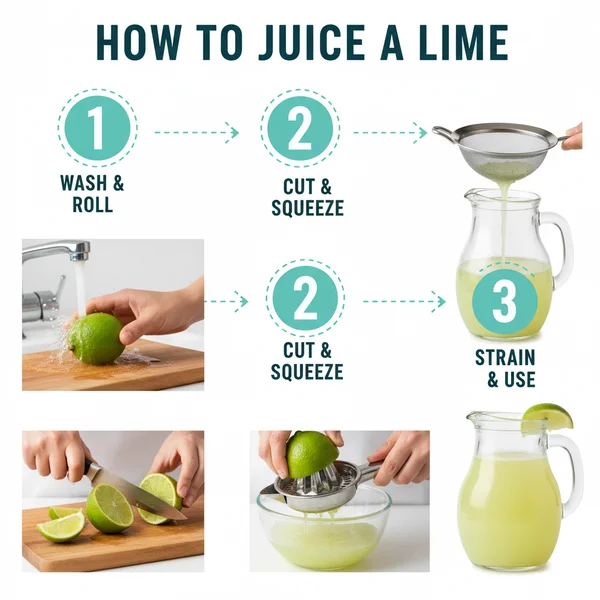
- Add Citrus: A squeeze of fresh lime juice over a mango and blueberry salad enhances the tropical notes and keeps the fruit looking fresh.
- Storage: Store leftovers in an airtight container in the refrigerator for up to three days. Note that the crisp topping will soften over time.
- Texture Trick: For smoothies, freeze your mango chunks beforehand. This creates a creamier, sorbet-like consistency without the need for excess ice.
- Savory Twist: Try adding finely diced red onion and cilantro to a mango-blueberry mix for a unique salsa that pairs perfectly with grilled chicken or fish.
Conclusion
In summary, mango and blueberry are a dynamic duo that offers a perfect balance of sweetness, acidity, and texture. Their versatility allows them to shine in various culinary settings, from a simple breakfast bowl to a sophisticated baked dessert. By paying attention to the ripeness of your fruit and following a few simple preparation techniques, you can elevate any dish with this vibrant pairing. Whether you are following a specific recipe or experimenting on your own, these two fruits are guaranteed to complement one another beautifully.
❓ Frequently Asked Questions
1
How long does mango blueberry salad last in fridge?
A fresh mango and blueberry salad typically lasts about two to three days in the refrigerator when stored in an airtight container. However, for the best texture and flavor, it is recommended to consume it within 24 hours as the fruits may release juices and soften over time.
2
Can I make a mango blueberry smoothie ahead of time?
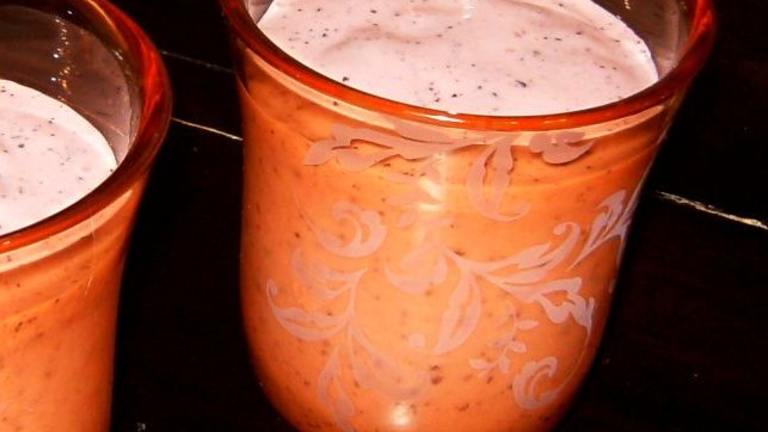
Yes, you can prepare a mango and blueberry smoothie up to 24 hours in advance. Store it in a sealed jar in the fridge and give it a vigorous shake before drinking. For the best consistency, consider freezing the fruit blend and blending it fresh right before serving.
3
What can I substitute for mango in this pairing?
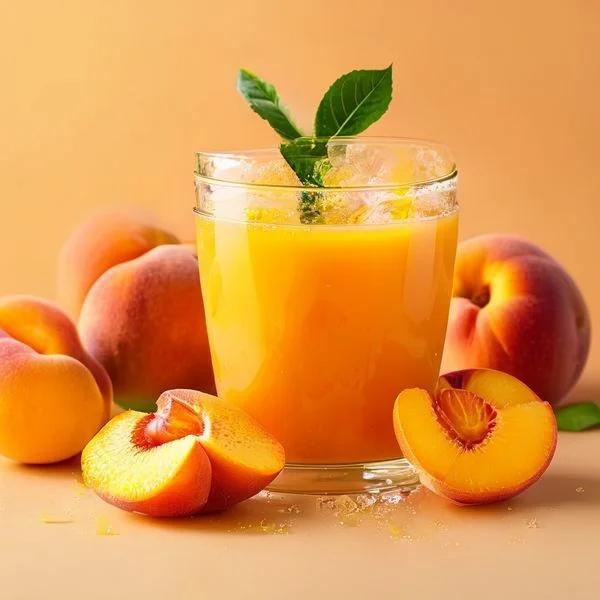
If you don’t have mango, peaches or nectarines are excellent substitutes as they provide a similar stone-fruit sweetness and soft texture. Pineapple is another great tropical alternative that pairs exceptionally well with the tartness of blueberries in smoothies, fruit salsas, or refreshing summer yogurt bowls and delicious desserts.
4
How do I know when the mango is ripe enough?
A ripe mango will give slightly when gently squeezed and often has a fragrant, fruity aroma at the stem end. While color can be an indicator, feel and smell are more reliable. If it is too firm, leave it at room temperature for a few days to ripen.
5
Can I freeze mango and blueberries together?
Absolutely! Freezing mango chunks and blueberries together is a fantastic way to preserve them for future smoothies or baking. Simply spread them on a baking sheet to freeze individually before transferring them to a freezer-safe bag. They will stay fresh and flavorful for up to six to twelve months.