Can You Put Blueberries in a Juicer? Simple Guide
Yes, you can absolutely put blueberries in a juicer, though the efficiency depends heavily on the type of equipment you use. While a masticating (slow) juicer is the most effective at extracting liquid from these small berries, a centrifugal juicer may struggle to yield much juice due to their soft texture. For the best results, blueberries are often combined with firmer fruits or vegetables to help push the pulp through the machine and create a more balanced, nutrient-dense beverage.

Understanding the Mechanics: How Blueberries React to Juicing
Juicing blueberries is a fantastic way to concentrate their high antioxidant levels into a potent, hydrating drink. However, from a practical standpoint, blueberries are unique compared to harder produce like apples or carrots. They contain a significant amount of pectin, a natural thickening agent, and their small size means they have a high skin-to-flesh ratio. When these tiny fruits are processed, they often create a thick, nectar-like consistency rather than a thin, clear liquid.
The type of machine you own will determine your success. A masticating juicer, often called a cold-press juicer, works by slowly grinding and squeezing the fruit against a mesh screen. This method is superior for blueberries because it can effectively separate the juice from the delicate skins. On the other hand, centrifugal juicers use high-speed spinning blades. Because blueberries are so light and soft, the centrifugal force often flings the entire berry into the pulp bin before much juice can be extracted. If you find your juicer isn’t yielding enough, you might consider using a high-powered blender instead. Using a blender allows you to keep the fiber, creating a thick smoothie that can be chilled and served over ice for a refreshing treat.
Scientifically, blueberries are prized for their anthocyanins—the pigments that give them their deep blue hue. These compounds are highly sensitive to heat and oxidation. Cold-press juicing is the preferred method for preserving these nutrients, as it generates minimal heat during extraction. The resulting liquid is incredibly hydrating and serves as a powerful base for a variety of health-oriented drink recipes.
Step-by-Step Guide to Juicing Blueberries Effectively
To get the most out of your berries and ensure your machine runs smoothly, follow these professional steps for the best yield and flavor.
1. Preparation and Sorting: Start by thoroughly washing your fresh blueberries in cold water. Remove any stems, leaves, or shriveled berries, as these can impart a bitter flavor to your juice. If you are using frozen blueberries, ensure they are fully thawed before putting them in the juicer. Frozen berries that are still solid can damage the internal components of your machine.
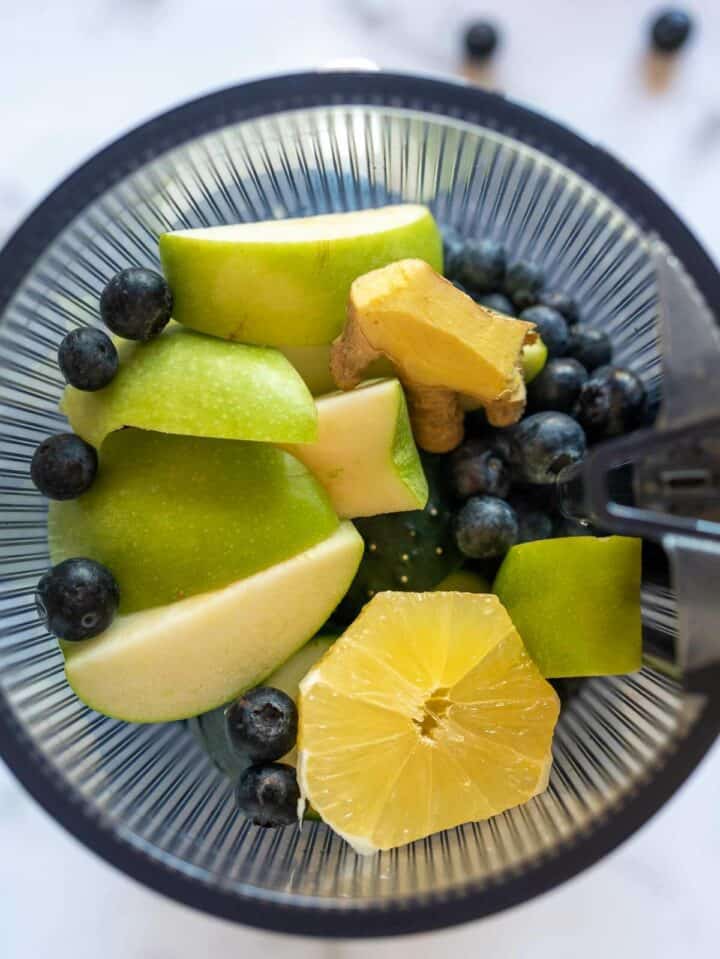
2. The Sandwich Method: This is a crucial tip for juicing soft fruits. To maximize extraction, alternate handfuls of blueberries with harder ingredients like sliced apples, cucumbers, or celery. The firmer fibers of these “pusher” foods help move the blueberry skins through the juicer’s auger or blades, preventing clogs and ensuring more blueberry juice ends up in your glass.
3. Manage the Speed: If your juicer has multiple speed settings, use a lower setting for blueberries. Low speeds are gentler on soft fruits and allow the machine more time to press out the liquid. High speeds are better suited for dense root vegetables but will likely waste your expensive berries.
4. Straining for Clarity: Because blueberries produce a thicker juice, you may find small bits of skin or a pulpy texture in your drink. If you prefer a crystal-clear beverage, pour the finished juice through a fine-mesh sieve or a nut milk bag.
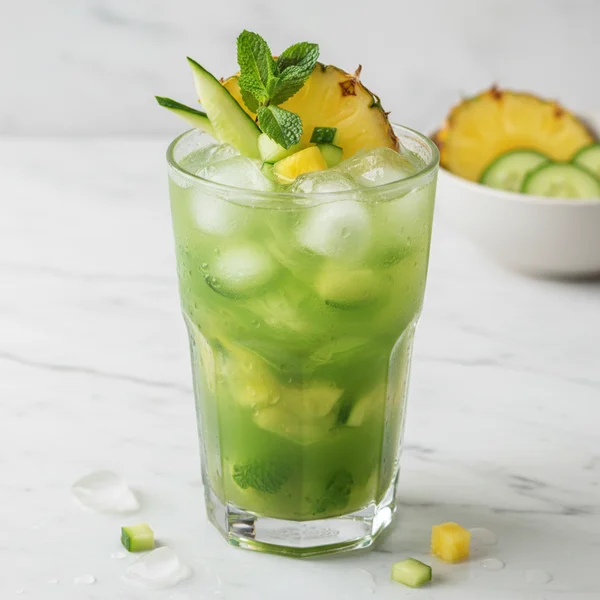
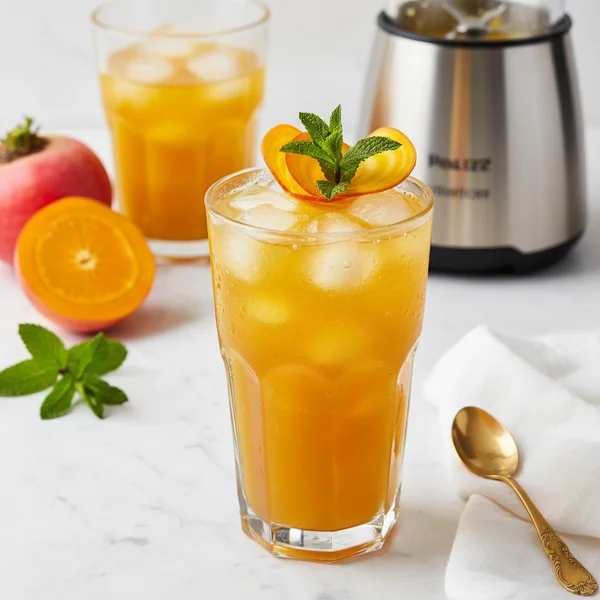
5. Chilling and Serving: Blueberry juice is best enjoyed immediately. Pour the juice into a glass filled with ice to create a chilled, refreshing experience. You can even use a few whole berries as a garnish to make the drink more visually appealing.
Important Considerations and Common Pitfalls
When deciding to juice blueberries, the most significant consideration is the cost-to-yield ratio. Blueberries are relatively expensive, and it takes a large volume of them to produce a single cup of pure juice. If you are on a budget, it is often more efficient to use them in a blender to make a whole-food smoothie where nothing is wasted.
Another common mistake is attempting to juice berries that are overripe. Mushy berries tend to turn into a paste rather than liquid, which can quickly clog the fine mesh of your juicer’s filter. Always aim for firm, plump fruit. Furthermore, be mindful of the staining potential. Blueberry juice is a natural dye; it can quickly stain plastic juicer components, wooden cutting boards, and countertops. Always rinse your equipment immediately after use with warm, soapy water to prevent permanent discoloration.
Lastly, consider the sugar content. While blueberries are lower in sugar than many other fruits, concentrated juice removes the fiber that helps slow down sugar absorption. If you are watching your glycemic index, try mixing your blueberry juice with hydrating, low-sugar bases like cucumber or spinach. This keeps the drink refreshing without causing a significant spike in blood sugar.
- Thaw Frozen Berries: If using frozen fruit, let them reach room temperature to avoid putting undue stress on your juicer’s motor.
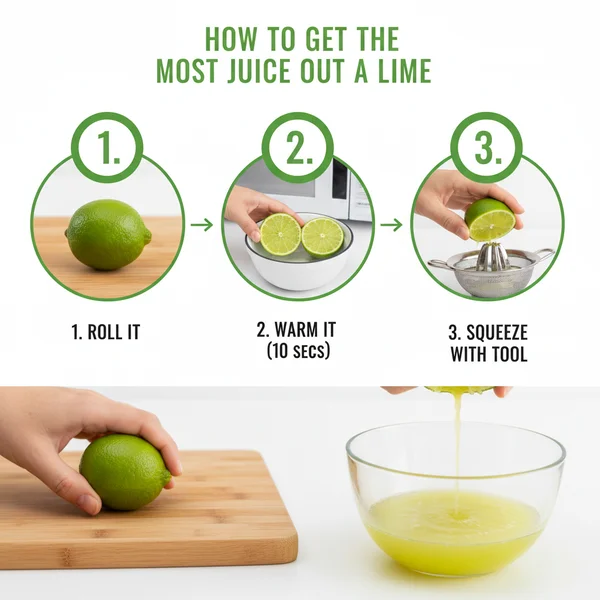
- Boost with Citrus: Adding a squeeze of lemon or lime to your blueberry juice prevents it from oxidizing and brightens the overall flavor profile.
- Use the Pulp: Don’t throw away the leftover blueberry pulp! It is rich in fiber and can be mixed into muffin batter or oatmeal.
- Creative Garnish: Save a few whole berries and a sprig of mint for a garnish to elevate the presentation of your drink.
Conclusion
In summary, putting blueberries in a juicer is a great way to enjoy a concentrated burst of flavor and antioxidants. While a masticating juicer provides the highest yield, any juicer can work if you use the proper technique of alternating the berries with harder produce. Whether you prefer a thick nectar or a strained, chilled juice served over ice, blueberries offer a unique, hydrating profile that is hard to beat. By following the steps outlined above, you can minimize waste and enjoy a truly refreshing beverage that highlights the best of this superfruit.
❓ Frequently Asked Questions
1
How long does blueberry juice last in fridge?
Fresh blueberry juice is best consumed immediately but can last up to 48 hours in the refrigerator. Store it in an airtight glass container to minimize oxidation. Shake well before drinking, as natural separation occurs since no preservatives are used in homemade fresh juices.

2
Can I make blueberry juice ahead of time?
While you can make it ahead, the nutritional value and vibrant flavor start to degrade quickly. If you must prepare it in advance, add a splash of lemon juice to help preserve the color and store it in the coldest part of your refrigerator for one day.
3
What can I substitute for a juicer?
If you don’t have a juicer, use a high-speed blender to pulse the berries with a little water. Afterward, pour the mixture through a fine-mesh strainer or nut milk bag to remove the skins and pulp, resulting in a smooth, hydrating, and refreshing blueberry juice.
4
How do I know when blueberries are ready to juice?
Choose blueberries that are firm, plump, and have a deep blue-purple hue with a silvery frost. Avoid berries that are shriveled, leaking juice, or show signs of mold. High-quality berries produce a sweeter, more delicious juice that requires no added sugars or artificial sweeteners.
5
Can I freeze blueberry juice?
Yes, you can freeze blueberry juice for up to three months. Pour the juice into silicone ice cube trays for easy portioning. These frozen cubes are perfect for adding to a blender for smoothies or simply dropping into water for a hydrating, flavored boost.