Golden Beet Juice Recipe: Refreshing & Healthy
Imagine waking up to a glass of liquid sunshine that not only invigorates your senses but also fuels your body with essential nutrients. This golden beet juice recipe is the ultimate refreshing beverage, perfect for a slow Sunday brunch or a post-workout recovery session. While many people are familiar with the deep crimson hue of traditional red beets, the golden variety offers a milder, sweeter, and less earthy flavor profile that appeals to even the most skeptical vegetable juice drinkers. Whether you are looking for a vibrant addition to a festive breakfast spread or a simple, hydrating pick-me-up during a busy afternoon, this recipe delivers a crisp, clean taste that feels like a gourmet treat. It is a family-friendly drink that kids will love for its bright color and natural sweetness, making it a staple for anyone who values both health and flavor.
- ⏱️ Prep Time: 10 minutes
- 🍳 Cook Time: 0 minutes
- 👥 Servings: 2 servings
- 📊 Difficulty: Easy
Ingredients for Golden Beet Juice
To create this vibrant and nourishing beverage, you will need a handful of fresh, high-quality ingredients. Using organic produce is recommended whenever possible to ensure the cleanest flavor profile.
- 2 large golden beets (approximately 1 pound), scrubbed and peeled
- 2 medium carrots, washed and ends trimmed
- 1 large Granny Smith or Honeycrisp apple, cored and sliced
- 1-inch piece of fresh ginger root, peeled
- 1/2 large lemon, peeled (keep the white pith for extra nutrients)
- 1.5 cups of chilled coconut water or filtered water
- 1 cup of ice cubes (for blending or serving)
- Fresh mint sprigs or lemon wheels for garnish
- A pinch of sea salt (optional, to enhance the natural sweetness)
Step-by-Step Instructions
Getting the perfect consistency and flavor for your juice requires a bit of attention to detail during the preparation phase. Follow these steps to ensure a smooth, delicious result every time.
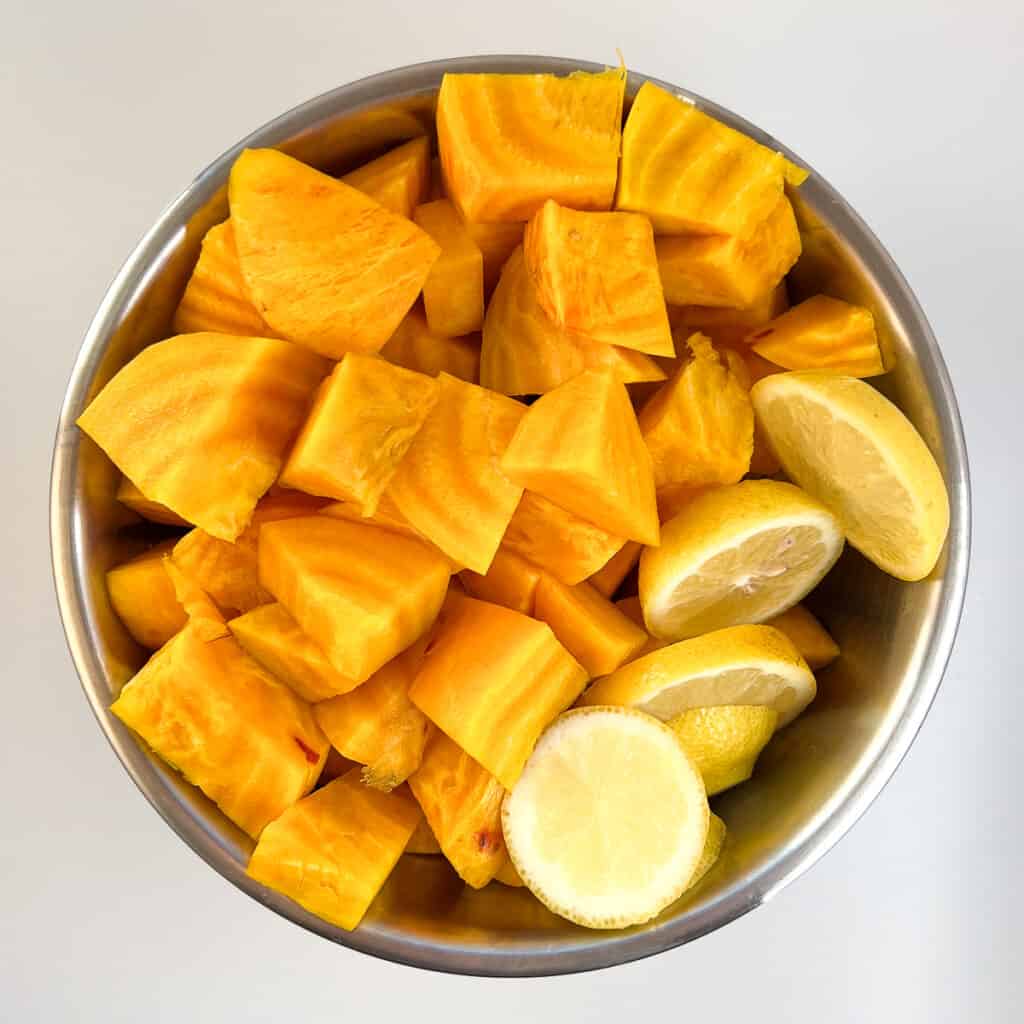
1. Prepare Your Produce: Begin by thoroughly washing all your vegetables and fruit. Since golden beets grow in the earth, they can carry quite a bit of grit. Use a vegetable brush to scrub the skins. While the skins are edible, peeling the golden beets results in a much smoother juice with a more refined, less “dusty” taste. Once peeled, chop the beets into one-inch cubes. Similarly, chop the carrots and apple into smaller chunks. This preparation is crucial because even a powerful blender needs smaller pieces to work efficiently without overheating the motor or the juice itself.
2. Prepare the Aromatics: Take your fresh ginger and peel away the papery skin using the edge of a spoon. Grating the ginger slightly before adding it to the mix can help distribute the spice more evenly, but a high-speed blender can usually handle a whole small knob. Peel the lemon, removing the yellow zest but leaving some of the white pith, which contains beneficial flavonoids. Remove any seeds to prevent a bitter aftertaste from developing in your drink.
3. Load the Blender: Order matters when you are making a whole-food juice. Start by pouring your chilled coconut water into the base of the blender container. Adding the liquid first creates a vortex that pulls the solid ingredients down toward the blades. Next, add the harder vegetables like the golden beets and carrots. Follow these with the softer apple slices and the ginger. Finally, place the lemon on top. If you prefer an extra cold, almost frozen texture, you can add half a cup of ice directly into the jar at this stage.
4. Blend to Perfection: Secure the lid tightly on your blender. Start the machine on its lowest speed setting and gradually increase it to the highest speed. Let the blender run for about 60 to 90 seconds. You are looking for a completely pulverized, liquid consistency. If the mixture seems too thick or the blades are struggling, add another quarter cup of water or coconut water. The goal is to break down the fibrous cell walls of the beets to release all those beautiful pigments and minerals.
5. The Straining Process: Unless you prefer a very thick, smoothie-like consistency, you will want to strain the mixture to achieve a true juice texture. Place a fine-mesh sieve over a large bowl, or for the smoothest results, use a nut milk bag. Pour the blended mixture into the bag or sieve. If using a bag, gently squeeze it with your hands to extract every last drop of the hydrating liquid. If using a sieve, use the back of a large spoon to press the pulp firmly against the mesh. Do not discard the pulp! It is full of fiber and can be added to muffin batters or veggie burger recipes later.
6. Adjust the Flavor: Pour the strained juice back into a clean pitcher. Taste the juice to check the balance of flavors. If the beets are particularly earthy, you might want to add a squeeze more lemon for acidity. If you prefer a sweeter profile, a teaspoon of raw honey or maple syrup can be stirred in, though the apple and carrots usually provide ample natural sugar. A tiny pinch of sea salt can also help brighten the overall flavor profile.
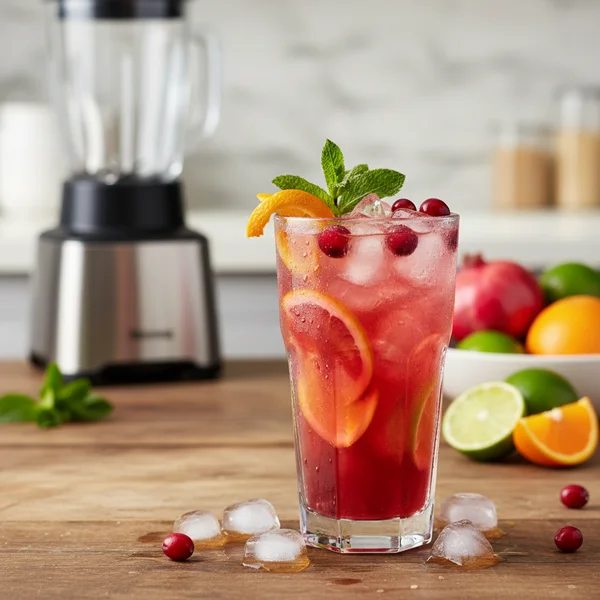
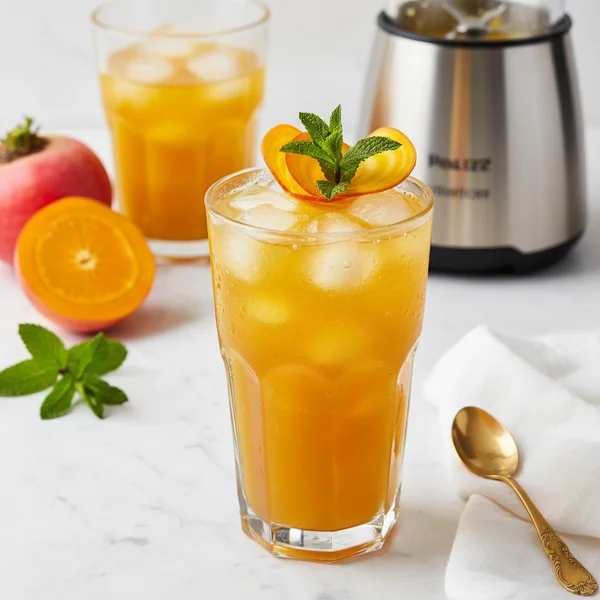
7. Chilling and Serving: This beverage is best enjoyed when it is thoroughly chilled. If your ingredients weren’t cold enough during the process, place the pitcher in the refrigerator for twenty minutes before serving. To serve, fill two tall glasses with fresh ice. Pour the golden liquid over the ice, watching the vibrant yellow color catch the light.
8. Add the Final Touch: For a professional presentation, garnish each glass with a sprig of fresh mint and a thin wheel of lemon. The aroma of the mint complements the ginger beautifully, making the first sip even more refreshing. Serve immediately to enjoy the peak nutritional benefits and the most vibrant flavor.
To maximize the hydrating benefits of this juice, always use coconut water as your liquid base instead of plain water; it adds electrolytes and a subtle sweetness. If you find the beet flavor too strong, try roasting the beets lightly and then chilling them before blending; this caramelizes their natural sugars and mellows the earthiness. For those who want a “frozen” slushie version, freeze your beet and carrot chunks the night before and blend them with just enough liquid to keep the blades moving.
Variations & Substitutions
This recipe is highly adaptable to suit various dietary needs and flavor preferences. If you are looking for a lower-sugar version, replace the apple with a cucumber; this maintains the hydrating qualities while reducing the glycemic load. For a spicy kick, increase the amount of ginger or add a tiny pinch of cayenne pepper to the blender.
If you want to transform this into a green juice, you can easily toss in a handful of baby spinach or kale; the golden color will shift toward a forest green, but the flavor remains bright. For those who enjoy a creamy beverage, consider blending in half an avocado; this adds healthy fats and creates a velvety mouthfeel. This recipe is naturally vegan and gluten-free, making it an excellent choice for hosting guests with various dietary restrictions.
Storage & Make Ahead
While fresh juice is best consumed within twenty minutes of preparation to prevent oxidation, you can store leftovers in an airtight glass jar in the refrigerator for up to 24 hours. If you notice the juice has settled, simply give the jar a vigorous shake before pouring.
For a convenient make-ahead option, you can blend and strain a large batch and pour the liquid into silicone ice cube trays. Once frozen, transfer these golden juice cubes to a freezer bag. When you are ready for a quick drink, place a few frozen cubes in a glass and top with sparkling water for a refreshing, effervescent treat that stays cold without being diluted by regular ice.
- Calories: 110 kcal
- Total Fat: 0.5g
- Sodium: 120mg
- Total Carbohydrates: 26g
- Dietary Fiber: 5g
- Sugars: 18g
- Protein: 2g
- Vitamin A: 180% DV
- Vitamin C: 45% DV
*Percent Daily Values are based on a 2,000 calorie diet.
This golden beet juice is more than just a drink; it is a celebration of seasonal produce and healthy living. By using your blender to unlock the nutrients within these root vegetables, you are creating a beverage that is as beautiful to look at as it is beneficial to drink. Whether you are sipping it on a sun-drenched patio or using it to jumpstart your morning routine, the combination of earthy beets, spicy ginger, and citrusy lemon will leave you feeling refreshed and revitalized. Enjoy the process of creating this liquid gold and feel free to experiment with the ratios until you find your perfect blend.
❓ Frequently Asked Questions
1
How long does golden beet juice last in fridge?
Freshly made golden beet juice is best enjoyed immediately but can be stored in an airtight glass jar for up to 24 to 48 hours. Keep it in the coldest part of your refrigerator to maintain freshness and prevent oxidation, though some nutrient loss occurs over time.
2
Can I make golden beet juice ahead of time?
Yes, you can prepare this juice up to a day in advance. To keep it refreshing, store it in a sealed container and give it a good shake before serving. For the best taste and most hydrating benefits, try to drink it within the first twelve hours.
3
What can I substitute for golden beets?
If you cannot find golden beets, red beets are the most direct substitute, though they have a stronger, earthier taste and will stain surfaces. Alternatively, carrots provide a similar sweetness and bright color while remaining much milder in flavor than traditional red beet varieties for your juice blend.
4
How do I know when golden beet juice is done?
If using a blender, the juice is ready once the mixture is completely liquefied and smooth. After straining through a fine-mesh sieve or nut milk bag, the liquid should be vibrant and clear of pulp. Serve it poured over ice for the most crisp and satisfying finish.
5
Can I freeze golden beet juice?
You can freeze beet juice in silicone ice cube trays for up to three months. These frozen cubes are perfect for dropping into smoothies or melting into a refreshing glass of water later. Just note that the texture might change slightly once thawed compared to the fresh version.