Raw Egg and Orange Juice: Perfect & Refreshing
The combination of raw egg and orange juice may seem like an unconventional pairing to the modern palate, but it has deep roots in both athletic performance and classic beverage history. Often associated with the early days of bodybuilding or the original recipes of iconic mid-century treats, this mixture provides a unique blend of high-quality protein and a massive dose of Vitamin C. In this article, you will explore the nutritional profile of this citrus-protein duo, learn the safest ways to prepare it using a modern blender, and discover why many still consider it a hydrating and refreshing way to start the day. Whether you are looking for a quick meal replacement or a nostalgic treat, understanding the science and preparation behind this drink is essential for a balanced experience.

Combining raw egg and orange juice creates a nutrient-dense beverage that pairs rapid-acting carbohydrates with high-bioavailability protein, though safety precautions regarding egg pasteurization are paramount for a healthy experience.
The Historical Context and Modern Resurgence
The concept of mixing raw egg and orange juice is not a new fad; it has transitioned through various cultural phases over the last century. In the 1920s and 30s, the “Orange Julius” began as a simple orange juice stand, but it was the addition of a specific powder—which many believe included egg whites or dairy proteins—that created the frothy, creamy texture consumers loved. Beyond the world of sweets, the fitness community of the 1960s and 70s popularized the consumption of raw eggs for muscle recovery. Bodybuilders often sought out ways to consume protein quickly without the need for extensive cooking, leading to the “Rocky” style consumption of raw eggs.
Today, the beverage is seeing a resurgence among enthusiasts of whole-food nutrition and those seeking a natural alternative to synthetic pre-workout shakes. The orange juice acts as a natural sweetener and a delivery system for the egg’s nutrients, masking the texture that many find off-putting. When whipped in a blender, the proteins in the egg expand and trap air, transforming a simple juice into a velvety, mousse-like drink. This evolution from a functional “gut-it-down” health tonic to a culinary curiosity highlights the versatility of these two staple ingredients.
Nutritional Synergy: Why the Pairing Works
The primary reason health-conscious individuals reach for raw egg and orange juice is the biological synergy between the two ingredients. Orange juice is famous for its high concentration of Vitamin C (ascorbic acid). Vitamin C is a powerful antioxidant that supports the immune system, but it also plays a critical role in collagen synthesis and iron absorption. When you introduce an egg into the mix, you are adding a complete protein source containing all nine essential amino acids, along with healthy fats, choline, and Vitamin D.
| Nutrient | Benefit in Combination |
|---|---|
| Vitamin C | Enhances tissue repair and protects egg fats from oxidation. |
| Complete Protein | Aids in muscle recovery and provides long-lasting satiety. |
| Simple Sugars | Provides an immediate energy boost, balanced by egg fats. |
| Lutein/Zeaxanthin | Found in egg yolks, these support eye health alongside citrus bioflavonoids. |
From a metabolic standpoint, the fat and protein in the egg help to slow down the absorption of the fructose found in the orange juice. This results in a more stable blood sugar response compared to drinking orange juice alone. This makes the drink an excellent choice for those looking to stay hydrating and energized throughout a morning workout or a busy work day without the typical “sugar crash” associated with fruit juices.
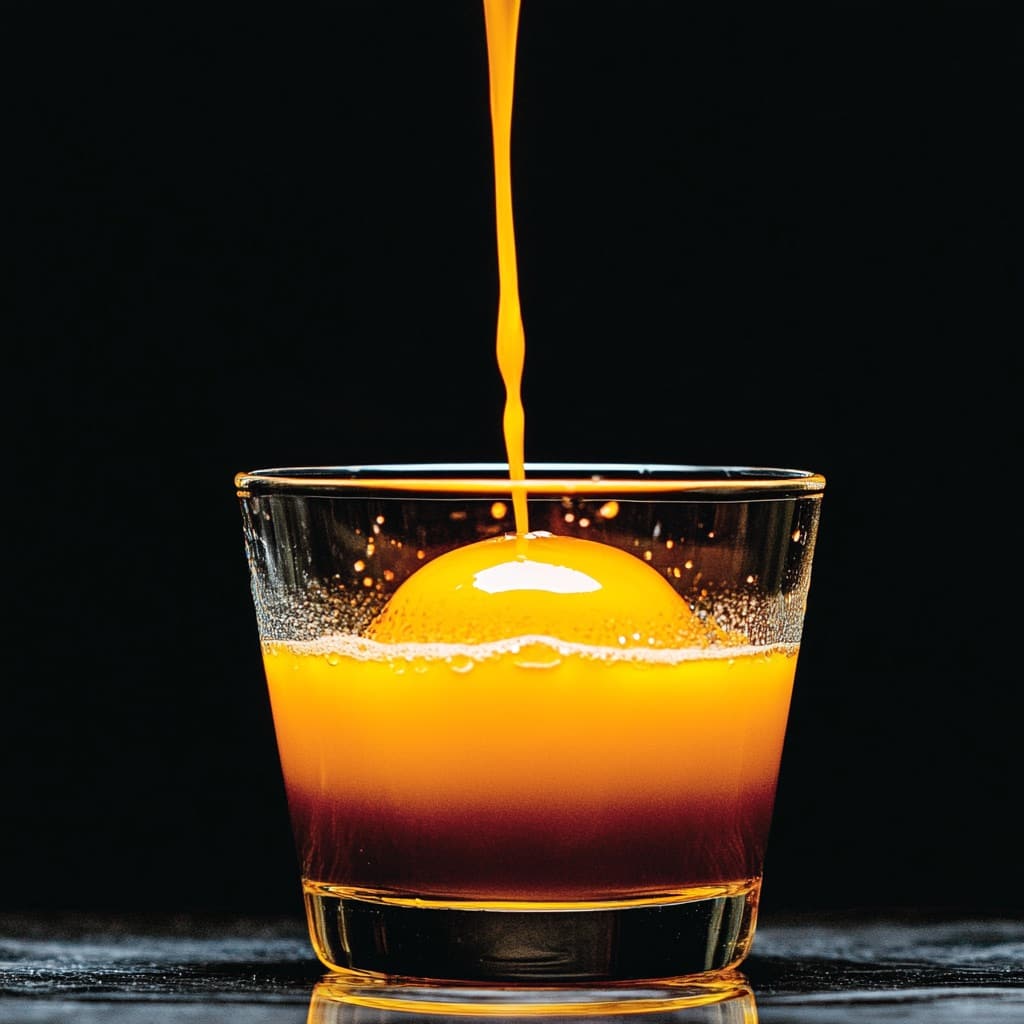
Preparation Techniques for the Perfect Texture
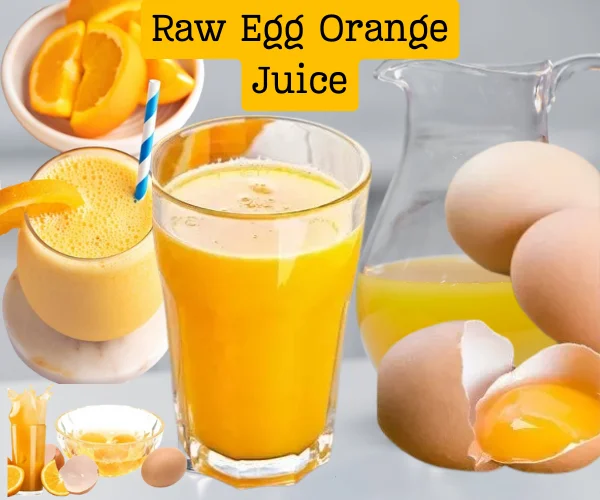
Preparation is the most critical step in making the combination of raw egg and orange juice palatable. If you simply crack an egg into a glass of juice and stir it with a spoon, the texture will likely be unappealing. To achieve a truly refreshing and professional result, using a high-speed blender is mandatory. The blender emulsifies the fats in the egg yolk with the water-based juice, creating a consistent, creamy liquid that resembles a thin milkshake rather than a juice.
To start, pour about eight to ten ounces of freshly squeezed orange juice into the blender. Add one or two large eggs. To elevate the drink from a basic tonic to a gourmet treat, add a handful of ice. This turns the beverage into a chilled, slushy delight that is incredibly refreshing on a hot morning. If you prefer a thicker consistency, you can use frozen orange juice concentrates or even a frozen banana. High-speed blending for 30 to 45 seconds creates a frothy head on the drink, which can then be served in a tall glass. This mechanical aeration is what transforms the raw egg into a light, airy component that disappears into the flavor of the citrus.
Safety Considerations and Egg Quality
One cannot discuss the consumption of raw eggs without addressing food safety. The primary concern is Salmonella, a bacteria that can sometimes be present in poultry products. While the risk is statistically low in modern agricultural systems, it is not zero. For those who are concerned about safety or have compromised immune systems, the best solution is to use pasteurized eggs. These are eggs that have been gently heated in their shells to a temperature that kills bacteria without actually cooking the egg. They are readily available in most grocery stores and behave exactly like standard eggs in a blender.
Furthermore, the quality of the ingredients significantly impacts the flavor. A high-quality, pasture-raised egg with a deep orange yolk will provide a richer flavor and a better nutrient profile than a standard commercial egg. Similarly, using fresh-squeezed juice rather than a product from a carton ensures that you are getting the maximum amount of enzymes and vitamins. The acidity of the orange juice also provides a slight “cooking” effect on the egg proteins (similar to ceviche), though it is not enough to substitute for heat-based pasteurization in terms of bacterial safety.
Enhancements, Garnishes, and Flavor Variations
While the base of raw egg and orange juice is nutritionally sound, it can be customized to suit different tastes. Many people find that a drop of pure vanilla extract or a pinch of sea salt enhances the natural sweetness of the orange juice. For those looking to increase the “refreshing” factor, adding a few mint leaves into the blender provides a cool aftertaste that pairs perfectly with the citrus. To make the drink more visually appealing, you can add a garnish such as an orange wheel or a sprig of fresh herbs on the rim of the chilled glass.
If you find the texture too thin, incorporating a tablespoon of heavy cream or coconut milk can turn the drink into a decadent, dessert-like beverage. For a “frozen” version, you can blend the mixture with extra ice until it reaches a consistency similar to a sorbet. This makes for an excellent hydrating treat during the summer months. No matter the variation, the goal is to balance the tartness of the orange with the richness of the egg to create a harmonious and healthful beverage.
Expert Tips for the Best Results
Professionals who specialize in functional nutrition often suggest that the temperature of the ingredients is the secret to a great egg-and-juice drink. Always ensure your orange juice is thoroughly chilled before blending. Warm orange juice combined with a room-temperature egg can produce a “sulfuric” aroma that many find unpleasant. Using a blender not only helps with texture but also ensures that the egg is fully integrated so that no streaks of egg white remain.
Another expert recommendation is to consume the drink immediately after blending. Because the mixture is highly aerated, the foam will eventually collapse, and the ingredients may begin to separate if left to sit for more than twenty minutes. For the best sensory experience, drink it while it is still frothy and icy cold.
- Use a high-speed blender to ensure the egg whites are fully broken down for a silky-smooth texture.
- Add a dash of cinnamon or nutmeg to mimic the flavor of a classic “Orange Julius” without the extra sugar.
- Always rinse the outside of your eggshells before cracking to minimize any external bacterial transfer.
- Try freezing your orange juice into ice cubes before blending for a thicker, frozen-style consistency.
Conclusion
The pairing of raw egg and orange juice is a nutritional powerhouse that offers a unique combination of protein, healthy fats, and essential vitamins. By utilizing a blender and incorporating ice, you can transform these simple ingredients into a chilled, refreshing, and hydrating beverage that defies its humble origins. While safety should always be a priority through the use of pasteurized eggs, the culinary and health benefits of this classic drink are undeniable. Give this vintage health tonic a modern twist today and experience a sustained energy boost that keeps you fueled and focused.
❓ Frequently Asked Questions
1
How long does raw egg and orange juice last in fridge?
This beverage is best consumed immediately to enjoy its refreshing qualities and ensure food safety. If refrigerated, it should be kept for no more than two hours in a sealed container. The mixture tends to separate quickly, so you will need to stir it thoroughly before drinking it again.
2
Can I make raw egg and orange juice ahead of time?
It is not recommended to make this drink ahead of time. For the most hydrating and delicious results, blend the ingredients right before consumption. Preparing it fresh ensures the texture remains frothy and the nutrients are preserved, providing the best flavor profile for this unique, protein-rich beverage.
3
What can I substitute for raw egg?
If you are uncomfortable using a raw egg, you can substitute it with pasteurized liquid egg whites or a scoop of unflavored whey protein powder. These alternatives provide a similar protein boost while maintaining the refreshing orange juice base, though the creamy texture from the yolk will be missing.
4
How do I know when raw egg and orange juice is done?
The drink is ready once it reaches a uniform, pale orange color with a bubbly, frothy top. Using a high-speed blender for about thirty seconds ensures the egg is fully incorporated into the juice and ice. There should be no visible separation or streaks of egg white remaining.
5
Can I freeze raw egg and orange juice?
Freezing is not recommended for this beverage as the egg protein and citrus juice will separate and change texture significantly upon thawing. To enjoy a colder version, blend the drink with extra ice or serve it in a chilled glass to maintain its refreshing and hydrating characteristics perfectly.