Why Is My Orange Juice Carbonated? Essential Safety Guide
If your orange juice is carbonated and it was not labeled as a sparkling beverage, it has likely begun to ferment. This occurs when wild yeast or bacteria consume the natural sugars in the juice, producing carbon dioxide gas as a byproduct. While this creates a fizzy sensation, it is usually a sign that the juice has spoiled, even if it has been kept chilled. To avoid foodborne illness, it is best to discard any juice that has developed an unexpected fizz, a sour smell, or a bulging container.

Understanding Why Orange Juice Becomes Naturally Carbonated
The presence of bubbles or a “zingy” sensation in a drink that is supposed to be still is almost always due to the biological process of fermentation. Orange juice is an ideal environment for microorganisms because it is high in natural sugars and has a relatively low pH. Even in a pasteurized product, once the container is opened, yeast from the air can enter the liquid. If the juice is left past its prime or stored at a temperature that is slightly too warm, these microscopic organisms begin to feast on the fructose and glucose.
As the yeast metabolizes the sugar, it converts it into ethanol (alcohol) and carbon dioxide (CO2). In a sealed container, this gas has nowhere to go, so it dissolves into the liquid, creating a carbonated effect. If you notice that the plastic bottle or carton is bulging or “bloated,” this is a definitive sign of gas buildup. While some people might find the effervescence refreshing at first sip, this is a clear indicator that the juice is no longer fresh. Beyond the fizz, fermentation often changes the flavor profile, making it taste more like vinegar or hard cider rather than sweet citrus.
In some rare cases, carbonation might be caused by lactic acid bacteria. This type of spoilage can result in a thicker texture or a “ropey” appearance in the liquid. Regardless of whether it is yeast or bacteria, the result is a beverage that is no longer hydrating in the way fresh juice should be. If the juice was recently purchased and is well within its expiration date, the carbonation could indicate a break in the “cold chain” during transport or a failure in the pasteurization process at the factory.
How to Make a Safe and Refreshing Sparkling Orange Drink
If you enjoy the sensation of fizzy orange juice but want to avoid the risks of drinking spoiled, fermented liquid, you can easily create your own sparkling version at home. By using fresh ingredients and a blender, you can craft a beverage that is both hydrating and safe to consume. This method ensures you get all the nutritional benefits of the fruit without the bacterial risks.
1. Gather Your Ingredients: Start with high-quality, fresh-pressed orange juice that has been kept chilled in the refrigerator. You will also need sparkling mineral water or club soda, a handful of ice, and perhaps some frozen orange segments to enhance the texture.
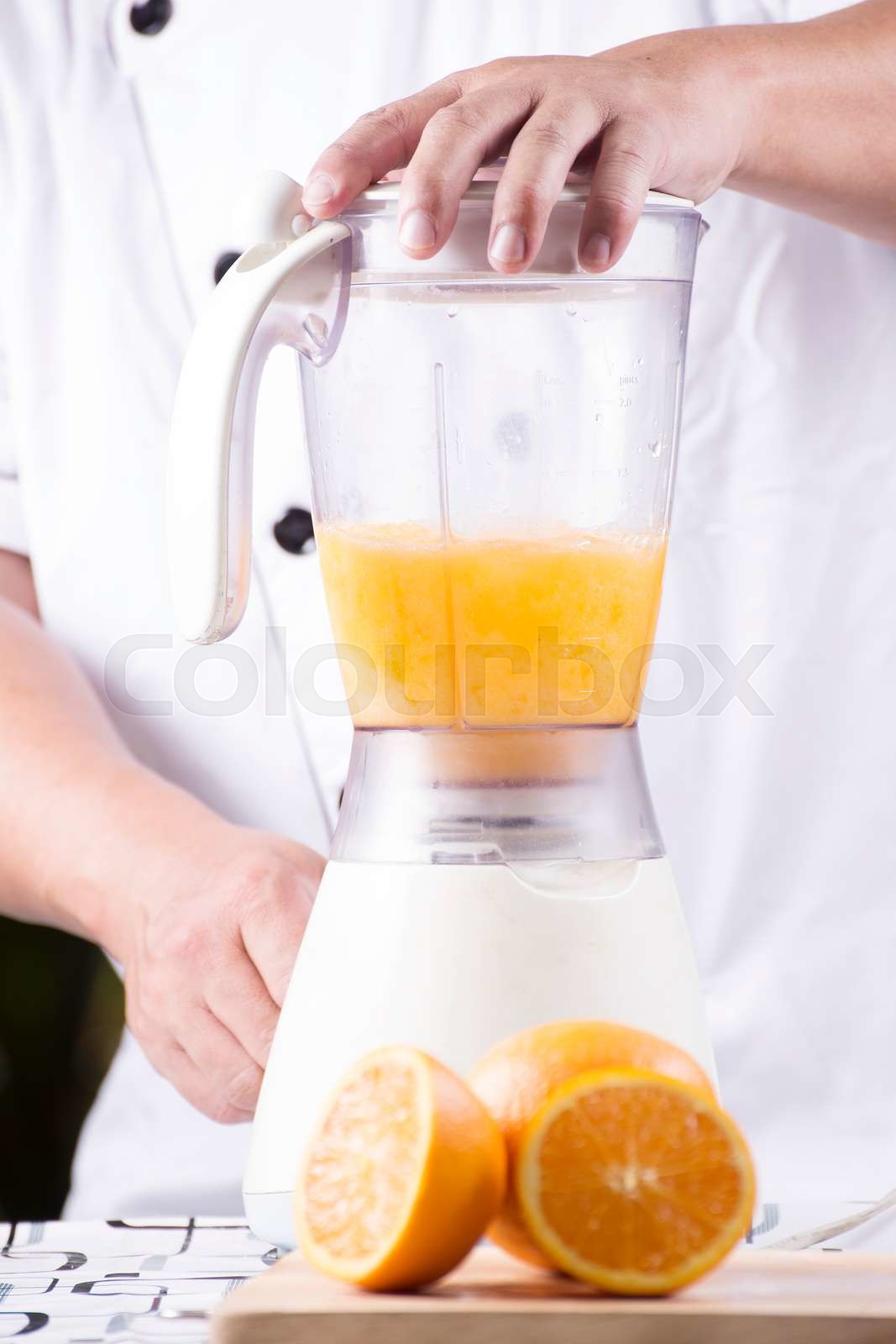
2. Prepare the Base: For a more professional, frothy consistency, place a cup of the fresh orange juice into a blender. Add a few cubes of ice and a small amount of frozen concentrate if you prefer a deeper, more intense citrus flavor.
3. Blend Until Smooth: Pulse the blender briefly. You do not want to completely liquefy the ice into a watery mess; rather, you want to create a chilled, slightly slushy base that will hold the carbonation of the sparkling water better than room-temperature liquid.
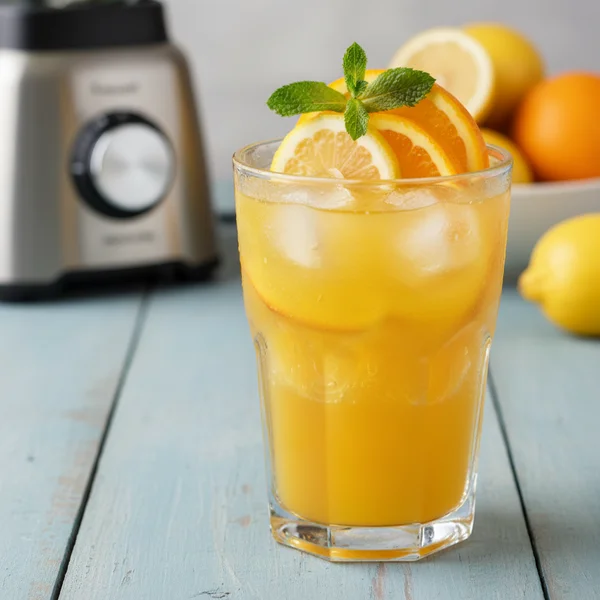
4. Combine with Carbonation: Pour the blended juice into a tall glass until it is about two-thirds full. Slowly top the glass with your sparkling water. Do not stir too vigorously, as this will cause the carbon dioxide to escape, leaving the drink flat.
5. Add a Garnish: To make the drink feel like a true refreshing treat, add a garnish such as a fresh mint sprig or a thin slice of orange on the rim of the glass. This adds an aromatic element that complements the bright citrus notes.
6. Serve Immediately: Because home-mixed carbonated drinks lose their fizz quickly, it is best to enjoy this beverage immediately while it is still ice-cold and bubbly.
Important Considerations for Juice Safety and Storage
When dealing with fruit juices, safety should always be the priority. While a little bit of fizz might seem harmless, fermented juice can contain pathogens that lead to upset stomachs or more severe food poisoning. One of the most common mistakes is assuming that because the juice is kept in the refrigerator, it cannot spoil. Most refrigerators should be set at or below 40 degrees Fahrenheit to slow down microbial growth, but it does not stop it entirely.
Always check the “best by” date, but remember that this date only applies to unopened containers. Once a bottle of orange juice is opened, it generally only stays fresh for about 7 to 10 days. If you see any signs of mold around the cap or notice a “yeasty” smell similar to bread or beer, the juice is definitely compromised. Furthermore, never drink juice directly from the carton. This introduces bacteria from your mouth into the container, which can rapidly accelerate the fermentation process and cause the juice to turn carbonated much faster.
Another factor to consider is the type of juice. Raw, unpasteurized juices found in the refrigerated section of health food stores have a much shorter shelf life than shelf-stable varieties. Because these have not been heat-treated, they contain live enzymes and naturally occurring yeast that will begin the carbonation process almost immediately if not kept strictly frozen or deeply chilled.
- Store your orange juice in the back of the refrigerator where the temperature is most consistent, rather than in the door.
- If you have a large amount of juice you can’t finish, pour it into ice cube trays and keep them frozen for future use in a blender.
- Always give your juice a quick “sniff test” before pouring; a sour or alcoholic aroma is a major red flag.
- If a carton is visibly swollen, do not open it near your face, as the pressure buildup can cause the liquid to spray out forcefully.
Conclusion
In summary, if you find yourself asking “why is my orange juice carbonated,” the answer is almost certainly unwanted fermentation. While a sparkling citrus drink can be a refreshing and hydrating choice, it is only safe when that carbonation is added intentionally using sparkling water or a carbonation machine. Natural fizz in standard orange juice is a biological warning sign that the sugars are being broken down by yeast or bacteria. To stay safe, always prioritize freshness, maintain a chilled storage environment, and when in doubt, throw it out. Creating your own fizzy concoction with a blender and fresh fruit is a much safer way to enjoy that delightful tingle.
❓ Frequently Asked Questions
1
How long does orange juice last in fridge?
Freshly squeezed orange juice typically lasts about 2 to 3 days in the refrigerator when stored in an airtight container. Store-bought, pasteurized juice usually stays fresh for 7 to 10 days after opening. Always check for signs of spoilage, such as a sour smell or carbonation, before consuming.

2
Can I make orange juice ahead of time?
Yes, you can make orange juice ahead of time, but it is best enjoyed within 24 hours for the highest nutrient content. To keep it refreshing and hydrating, store it in a glass bottle with a tight lid. Stir or shake it well before serving, as natural separation occurs.
3
What can I substitute for fresh oranges?
If you don’t have fresh oranges, you can use frozen orange juice concentrate or other citrus fruits like tangerines or clementines. For a different but refreshing twist, try blending grapefruit with a little honey. These alternatives provide a similar vitamin C boost while remaining hydrating and delicious for any meal.
4
How do I know when orange juice is done?
In the context of juicing at home, the process is done once you have extracted all the liquid from the pulp. For a smooth finish, use a strainer; for a thicker, hydrating drink, use a blender. The juice should have a bright color and a sweet, citrusy aroma without any fizz.
5
Can I freeze orange juice?
You can absolutely freeze orange juice to extend its shelf life. Pour the juice into an airtight container or an ice cube tray, leaving some space for expansion. Frozen juice stays good for up to four months. Thaw it in the fridge and give it a quick stir before drinking.