Lemon and Orange Juice: Refreshing & Healthy Guide
When you combine the tart, zesty notes of a lemon with the sweet, sun-ripened flavors of an orange, you create more than just a drink; you craft a powerhouse of nutrition and flavor. The pairing of lemon and orange juice is a timeless classic in the culinary world, revered not only for its vibrant taste profile but also for its exceptional health benefits. Whether you are looking for a morning pick-me-up to jumpstart your metabolism or a cooling beverage to sip on a mid-summer afternoon, this citrus duo provides the ultimate solution. In the following guide, we will explore the nutritional synergy of these fruits, various preparation methods ranging from hand-squeezing to using a high-speed blender, and creative ways to elevate your citrus experience with garnishes and frozen textures.
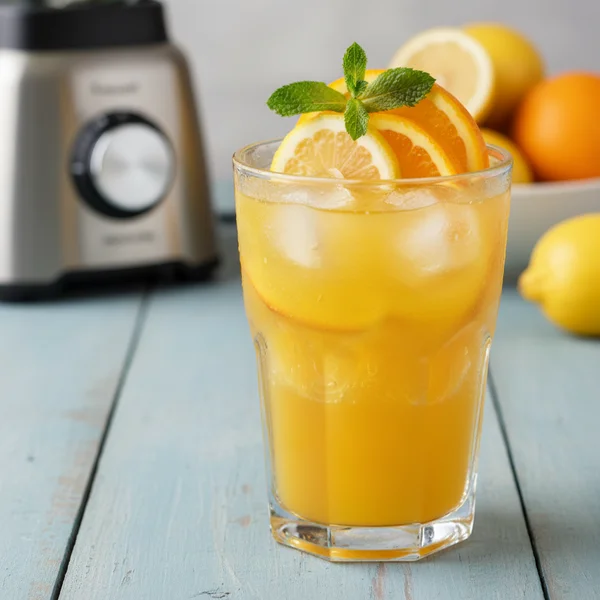
Lemon and orange juice combined offers a superior balance of Vitamin C and electrolytes, making it a naturally hydrating and refreshing beverage that supports immune health and skin glow.
The Nutritional Powerhouse: Why Lemon and Orange Juice Rule
The combination of lemon and orange juice is a nutritional goldmine. While both fruits belong to the citrus family, they offer slightly different chemical compositions that complement each other perfectly. Oranges are famous for their high concentration of Vitamin C and natural sugars, providing a quick yet sustainable energy boost. Lemons, on the other hand, are highly acidic and contain high levels of citric acid, which is known to aid digestion and help prevent certain types of kidney stones.
When mixed, the two juices create a beverage that is immensely hydrating. Beyond just water content, these fruits provide essential electrolytes like potassium and magnesium. These minerals are vital for maintaining fluid balance in the body, especially after exercise or during hot weather. Furthermore, the antioxidants present in this blend—such as flavonoids and limonoids—work together to fight oxidative stress and inflammation.
For those watching their sugar intake, adding lemon to orange juice is a strategic move. The sharp acidity of the lemon cuts through the natural sweetness of the orange, allowing you to enjoy a flavorful drink without the need for added syrups or processed sugars. This makes it a far superior choice compared to store-bought “fruit cocktails” that are often loaded with high-fructose corn syrup and artificial preservatives.
Preparation Techniques: Blender vs. Juicer
How you prepare your lemon and orange juice can significantly impact its texture and nutritional density. There are two primary schools of thought: traditional juicing and “whole fruit” blending. Each method has its own set of advantages depending on your desired outcome.
Traditional juicing involves extracting only the liquid from the fruit, leaving the pulp and fiber behind. This results in a very smooth, thin consistency that is easy to drink and quickly absorbed by the bloodstream. If you prefer your beverage chilled and crystal clear, juicing is the way to go. You can use a manual citrus reamer for a rustic feel or an electric juicer for efficiency.
Alternatively, using a blender allows you to create a “whole food” beverage. By peeling the fruit but keeping the interior segments, you retain the fiber (pectin) which is beneficial for gut health. When you use a blender, you also have the option to incorporate ice directly into the mix, transforming the juice into a frozen slushie or a thick, refreshing smoothie.
| Feature | Juicing Method | Blender Method |
|---|---|---|
| Texture | Liquid and smooth | Thick and fibrous |
| Fiber Content | Low (removed) | High (retained) |
| Preparation Time | Quick cleanup | Fast processing |
| Versatility | Best for cocktails/spritzers | Best for smoothies/slushies |
Elevating the Experience: Ratios and Flavor Profiles
The “Golden Ratio” for a standard lemon and orange juice blend is typically three parts orange juice to one part lemon juice. This ratio ensures that the sweetness of the orange remains the dominant note, while the lemon provides a sophisticated, bright finish. However, these proportions can be adjusted based on the specific variety of citrus you are using.
For instance, if you are using Meyer lemons—which are naturally sweeter and less acidic than the common Eureka or Lisbon varieties—you might increase the lemon ratio. Conversely, if you are using Blood Oranges, which have a more complex, raspberry-like undertone, you may want to keep the lemon minimal to avoid overcomplicating the flavor profile.
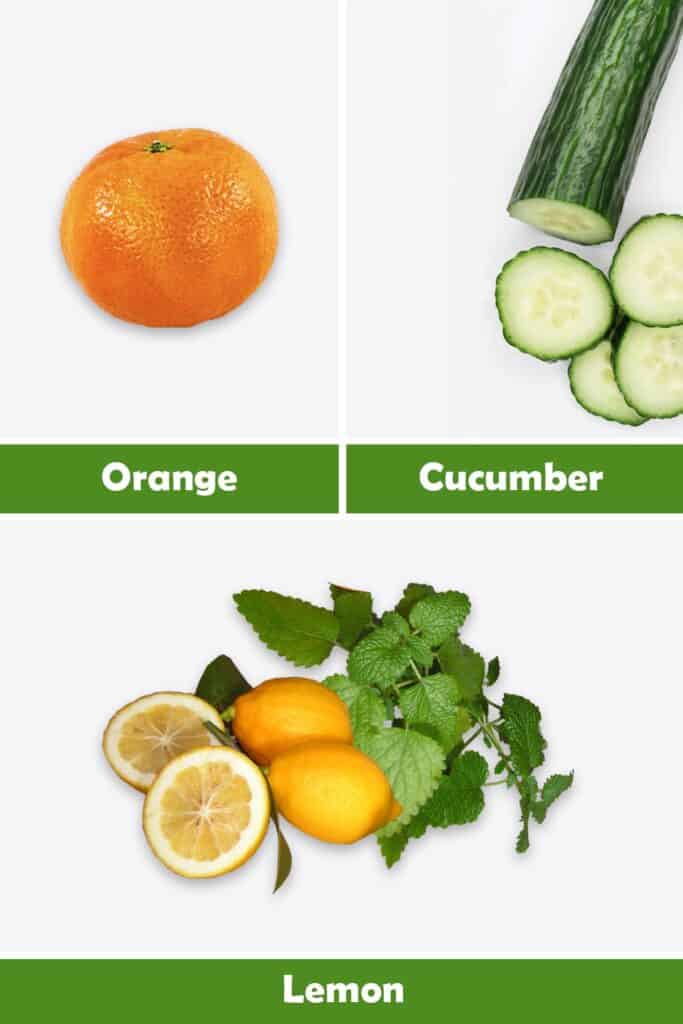
To make the drink truly refreshing, temperature is key. Serving the juice over crushed ice or keeping it chilled in a glass pitcher in the refrigerator ensures that every sip is crisp. For an extra layer of flavor, consider the garnish. A sprig of fresh mint, a slice of cucumber, or even a pinch of sea salt can enhance the natural characteristics of the citrus. The salt, in particular, acts as a flavor enhancer, making the orange taste sweeter and the lemon taste more vibrant.
Creative Variations: From Hydrating Spritzers to Frozen Delights
Once you have mastered the basic lemon and orange juice blend, the possibilities for variation are endless. One of the most popular ways to enjoy this duo is in a “Citrus Spritzer.” By mixing your fresh juice with sparkling mineral water or club soda, you create a bubbly, hydrating mocktail that is perfect for celebrations. This version is best served in a tall glass with plenty of ice and a citrus zest garnish.
For those hot summer days, a frozen citrus granita is an excellent treat. Simply mix the lemon and orange juices with a touch of honey or agave, pour the mixture into a shallow pan, and place it in the freezer. Every thirty minutes, scrape the mixture with a fork until it forms light, icy crystals. This creates a sophisticated dessert that is both light and refreshing.
Another modern twist involves the use of “citrus ice cubes.” Instead of using plain water ice cubes which dilute the drink as they melt, freeze small amounts of lemon and orange juice in an ice tray. You can even drop a small piece of mint or a berry into each cube before freezing. As these cubes melt in your chilled glass, they actually intensify the flavor of your beverage rather than watering it down.
Culinary Uses Beyond the Beverage
While we often think of lemon and orange juice as something to drink, this combination is incredibly versatile in the kitchen. The acidity of the lemon and the sugar content of the orange make for an excellent meat tenderizer. A marinade consisting of these juices, garlic, olive oil, and rosemary is perfect for chicken or white fish.
In baking, the zest and juice of both fruits can transform a simple pound cake into a gourmet dessert. The lemon provides the necessary acid to react with baking soda for a better rise, while the orange contributes a deep, aromatic fragrance that permeates the crumb. You can also whisk the juices together with powdered sugar to create a vibrant glaze for cookies or muffins.
Salad dressings also benefit greatly from this citrus pairing. A “Citrus Vinaigrette” made with fresh orange and lemon juice, Dijon mustard, and avocado oil is much more hydrating and flavorful than heavy, cream-based dressings. It pairs exceptionally well with bitter greens like arugula or kale, as the citrus helps to neutralize the bitterness of the leaves.
Expert Tips for the Best Citrus Blend
To achieve professional-level results with your lemon and orange juice, you must pay attention to the quality of your ingredients. Always select fruits that feel heavy for their size; this is a primary indicator of high water content and juiciness. A firm, heavy orange will almost always yield more juice than a light, spongy one.
Additionally, temperature plays a role even before you juice the fruit. If you store your citrus in the refrigerator, take them out and let them reach room temperature before juicing. You can even roll the fruit firmly against a countertop with your palm or pop it in the microwave for 10 seconds. This breaks the internal membranes and allows the juice to flow more freely, ensuring you get every last drop of goodness.
Finally, don’t ignore the peel. The essential oils found in the skin (zest) contain the highest concentration of citrus aroma. Grating a small amount of zest into your blender or using it as a garnish on top of your chilled drink will provide an olfactory experience that enhances the overall taste.
- Strain your juice twice if you prefer a “hotel-style” silkiness, or leave the pulp in for added prebiotic fiber.
- Add a pinch of turmeric and black pepper to your lemon and orange juice blend for an anti-inflammatory “wellness shot” effect.
- To keep your drink cold without dilution, use frozen orange segments instead of regular ice cubes.
- Always wash the skins of your citrus thoroughly, especially if you plan to use the zest as a garnish or blend the whole fruit.
Conclusion
In summary, the simple act of combining lemon and orange juice creates a beverage that is far more than the sum of its parts. By balancing acidity with sweetness, you produce a refreshing and hydrating drink that serves as a cornerstone for healthy living. Whether you prefer it chilled over ice, whizzed in a blender for a frozen texture, or dressed up with a fancy garnish, this citrus blend is a versatile addition to your daily routine. Start experimenting with your own ratios today and enjoy the vibrant, life-giving energy that only fresh citrus can provide.
❓ Frequently Asked Questions
1
How long does lemon and orange juice last in fridge?
This fresh citrus juice is best enjoyed immediately to benefit from its high vitamin C content and bright flavor. If you have leftovers, store them in a sealed glass container in the refrigerator for up to 48 hours. Be sure to stir well before drinking, as natural settling will occur.

2
Can I make lemon and orange juice ahead of time?
While you can prepare this juice ahead of time, the flavors are most vibrant when consumed fresh. If you choose to make it in advance, store it in the coldest part of your fridge. To maintain the best quality, add your ice and garnish right before you plan to serve it.
3
What can I substitute for honey in lemon and orange juice?
If you find the lemons too tart, you can balance the acidity with a natural sweetener like honey, agave nectar, or maple syrup. For a sugar-free version, a few drops of liquid stevia work well. Alternatively, using sweeter orange varieties like Navel or Cara Cara can reduce the need for extra sweeteners.
4
How do I know when lemon and orange juice is done?
The juice is ready when the liquid is bright, uniform, and any added ice is completely crushed into a smooth, frothy texture. If you are using a standard blender, look for a consistent color without large chunks of pulp or ice. For a crystal-clear drink, you can pass the mixture through a fine strainer.
5
Can I freeze lemon and orange juice?
Freezing is a great way to preserve this juice. Pour the liquid into ice cube trays to create refreshing citrus cubes for water or tea. You can also store it in airtight, freezer-safe containers for up to three months. Thaw it in the refrigerator before drinking for the best flavor profile.