Can You Eat the Core of a Pineapple? Simple Guide
Yes, you can absolutely eat the core of a pineapple. While many people discard it because it is tougher and less sweet than the surrounding flesh, it is completely safe and highly nutritious. The core contains a high concentration of bromelain, an enzyme with anti-inflammatory properties, along with a significant amount of dietary fiber and Vitamin C. To make it more palatable, you can slice it thinly, blend it into smoothies, or cook it to soften its fibrous texture.
Understanding the Pineapple Core: Why You Should Keep It
Many home cooks reflexively discard the center of the pineapple, viewing it as a woody, inedible byproduct of the fruit. However, the core is simply a denser, more fibrous extension of the fruit itself. While the outer flesh is prized for its high sugar content and succulent texture, the core offers a different profile that is arguably more beneficial for your health. The toughness comes from the structural fibers that support the weight of the fruit, but these same fibers are what make the core a nutritional powerhouse.
From a scientific perspective, the core is the primary reservoir for bromelain. Bromelain is a proteolytic enzyme—meaning it helps break down proteins—and is often sold as a concentrated supplement for its medicinal properties. Consuming the core naturally provides this enzyme, which has been linked to improved digestion, reduced muscle soreness, and decreased inflammation throughout the body. Furthermore, the core is rich in Vitamin C, which supports the immune system, and manganese, an essential mineral for bone health and metabolism.
The culinary hesitation usually stems from the “mouthfeel.” Raw pineapple core is undeniably crunchy and can be difficult to chew if sliced too thickly. It also has a slightly more muted sweetness compared to the rest of the fruit. However, once you understand how to manipulate its texture through various preparation methods, it becomes a versatile ingredient rather than waste. Whether you are looking to boost your fiber intake or simply want to practice zero-waste cooking, integrating the core into your diet is a smart, sustainable choice.
Creative Ways to Use Your Pineapple Core
If the idea of biting into a hard, woody cylinder doesn’t appeal to you, there are several ways to transform the core into a culinary highlight. One of the easiest methods is to juice it. Because the core contains so much moisture and nutrients, it is a perfect candidate for a high-speed juicer or a cold-press machine. You get all the bromelain and flavor without any of the tough fiber.
Another popular method is to use the core in a recipe where it can be softened. Grating the core is an excellent way to add texture and a hint of tropical flavor to coleslaws, salads, or even morning oatmeal. When finely shredded, the toughness disappears, leaving behind a pleasant crunch. You can also freeze the core and use it as a “nutritional ice cube” in smoothies. A high-powered blender will easily pulverize the fibrous core, lending a thick, creamy consistency to your drink without adding the excessive sugar found in the outer fruit.
If you enjoy a more savory application, you can thinly slice the core into “coins” and marinate them. The acidity in marinades—such as lime juice or vinegar—can help break down some of the tougher fibers. These coins can then be grilled or pan-seared, which caramelizes the natural sugars and creates a snack that resembles a tropical water chestnut.
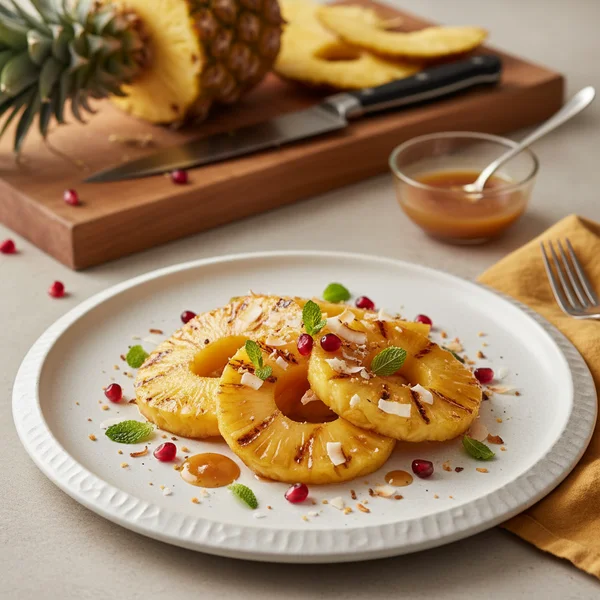
Recipe: Cinnamon-Glazed Roasted Pineapple Cores
If you want to turn those leftover centers into a delicious dessert or a side dish for grilled meats, this simple roasting recipe is the perfect solution. Roasting breaks down the cellulose in the core, making it much easier to chew while intensifying its natural sweetness.
Prep Time: 10 minutes
Cooking Time: 15 minutes
Servings: 2–4 people
Calories: Approximately 65 calories per serving
Ingredients
- Cores from 1 large pineapple (sliced into 1/4 inch rounds or sticks)
- 1 tablespoon honey or maple syrup
- 1/2 teaspoon ground cinnamon
- 1 teaspoon lime juice
- A pinch of sea salt
- Optional: 1 teaspoon of coconut oil (melted)
Instructions
- Preheat the Oven: Start by preheating your oven to 400°F (200°C). Line a small baking sheet with parchment paper or a silicone baking mat to prevent sticking.
- Prepare the Cores: After you have removed the core from the main pineapple flesh, slice it into thin rounds. Aim for about a quarter-inch thickness; the thinner they are, the more tender they will become during the cooking process.
- Mix the Glaze: In a small bowl, whisk together the honey (or maple syrup), cinnamon, lime juice, and sea salt. If you are using coconut oil for extra richness, add it here.
- Coat the Cores: Place the pineapple core slices in a medium bowl and pour the glaze over them. Toss thoroughly to ensure every piece is evenly coated in the cinnamon-honey mixture.
- Arrange and Bake: Lay the slices out in a single layer on the prepared baking sheet. Avoid overlapping, as this will prevent them from caramelizing properly.
- Roast: Bake for 12 to 15 minutes. Halfway through the cooking time, use tongs to flip the pieces over. You are looking for a slight golden brown color and a softened texture.
- Serve: Remove from the oven and let them cool for a few minutes. Serve them warm as a healthy snack or as a topping for Greek yogurt.
Important Considerations and Best Practices
While the pineapple core is highly beneficial, there are a few things to keep in mind to ensure a pleasant eating experience. The most common issue people face is “pineapple mouth,” a stinging or tingling sensation on the tongue and cheeks. This is caused by the bromelain enzyme literally beginning to break down the proteins in your mouth. Because the core has a higher concentration of bromelain than the flesh, this sensation can be more pronounced. To mitigate this, you can cook the core (as heat denatures the enzyme) or pair it with dairy, like yogurt or cottage cheese, which gives the bromelain a different protein to act upon.
Another consideration is digestion. The core is extremely high in insoluble fiber. While fiber is essential for gut health, a sudden, large intake of highly fibrous material can cause bloating or gas in individuals not accustomed to it. If you are new to eating the core, start with small amounts.
Lastly, ensure your pineapple is ripe. A core from an underripe pineapple will be excessively hard and contain higher levels of acidity, which might cause stomach upset. Look for a pineapple that has a sweet aroma at the base and leaves that can be easily pulled from the crown.
- Freeze for Smoothies: Chop the core into small cubes and freeze them. They act as nutritious ice cubes that add frothiness to your morning green smoothie.
- Infuse Your Water: Drop a few slices of raw pineapple core into a pitcher of water. It provides a subtle tropical infusion without the high sugar content of the juice.
- Homemade Pineapple Syrup: Simmer cores with a bit of water and sugar to create a flavored syrup for cocktails or sparkling water.
- Tenderize Meat: Because of the bromelain content, you can mash a raw pineapple core and use it as a component in a meat marinade to help tenderize tough cuts of beef or pork.
Conclusion
In summary, you should never feel the need to toss your pineapple cores into the compost bin again. By choosing to eat the core, you are accessing a concentrated source of bromelain, fiber, and essential vitamins that are often missed. Whether you choose to enjoy it raw in thin slices, blend it into a refreshing drink, or use our roasted cinnamon recipe, the core is a versatile and healthy addition to your kitchen. With a little bit of preparation and the right cooking techniques, this “waste product” can easily become your new favorite part of the fruit. Embrace the crunch and enjoy the many health benefits of the mighty pineapple core!
❓ Frequently Asked Questions
1
How long does pineapple core last in fridge?
A fresh pineapple core will typically last for about 3 to 5 days in the refrigerator. To keep it fresh, store it in an airtight container or a tightly sealed zip-top bag. If the core starts to smell fermented or looks slimy, it is time to discard it.


2
Can I make pineapple core tea ahead of time?
Yes, you can prepare pineapple core tea ahead of time by simmering cores with ginger and water. Once cooled, store the strained liquid in the fridge for up to 4 days. It can be enjoyed cold or reheated for a soothing, anti-inflammatory drink anytime you need it.
3
What can I substitute for pineapple core?
If a recipe calls for pineapple core for its texture, you can substitute it with firm pear or jicama. If you are looking for the nutritional benefits of bromelain, fresh papaya is a good alternative, though the flavor and density will differ significantly from the original pineapple ingredient.
4
How do I know when pineapple core is done?
Since pineapple core is often eaten raw, it doesn’t require a ‘doneness’ check. However, if you are poaching or simmering it for a recipe, it is done when it becomes slightly translucent and tender enough to be pierced easily with a fork, usually after 15 to 20 minutes.
5
Can I freeze pineapple core?
You can definitely freeze pineapple cores. Cut them into small pieces and place them in a freezer-safe bag for up to six months. They are perfect for dropping into a blender for smoothies or using as a base for homemade tropical fruit juices and frozen treats.