How Long Does Fresh Juice Last? Complete Guide
Fresh juice generally lasts between 24 and 72 hours when stored properly in the refrigerator. The specific shelf life depends heavily on the type of juicer used: centrifugal juicers produce juice that lasts about 24 hours, while masticating (cold-press) juicers yield juice that remains fresh for up to 72 hours. For long-term storage, fresh juice can be frozen for up to three months, though some nutritional value and flavor may diminish over time.
Understanding the Lifespan of Freshly Pressed Juice
When you transition from store-bought varieties to homemade beverages, understanding how long fresh juice lasts is crucial for both safety and nutrition. Unlike commercial products that undergo pasteurization or contain preservatives, raw juice is a “living” liquid. It is packed with active enzymes and delicate micronutrients that begin to degrade the moment the cell walls of the produce are ruptured. This degradation is primarily driven by oxidation—the chemical reaction that occurs when the juice is exposed to air.
The equipment you use plays a significant role in this timeline. If you use a high-speed centrifugal juicer, the spinning blades introduce a significant amount of heat and oxygen into the liquid. This process accelerates oxidation, meaning your refreshing drink will likely lose its vibrant color and nutritional potency within a single day. Conversely, a slow masticating juicer or a specialized cold-press machine crushes the produce gently. This method generates minimal heat and keeps oxygen exposure to a minimum, allowing the juice to stay hydrating and stable for two to three days.
Beyond the juicer type, the ingredients themselves dictate longevity. Highly acidic juices, such as those made with lemons, limes, or tart apples, tend to last slightly longer because the low pH acts as a natural preservative. On the other hand, vegetable-heavy blends—particularly those involving leafy greens or cucumbers—are more prone to rapid bacterial growth and should be consumed sooner. Keeping the juice chilled at a consistent temperature of 38°F (3°C) or lower is the most effective way to slow down the metabolic processes of any lingering microbes and enzymes.
How to Maximize the Freshness of Your Juice: A Step-by-Step Guide
Maximizing the shelf life of your homemade beverages starts long before you pour the liquid into a glass. Following a disciplined process ensures that your drink remains a healthy, hydrating staple in your diet without the risk of early spoilage.
1. Prepare Your Produce with Care
Before you even touch your juicer or blender, thoroughly wash all fruits and vegetables. Since raw juice is not heated, any bacteria present on the skin of the produce will end up in your drink. Use a vegetable brush for firm items like carrots and apples to remove soil and potential contaminants.
2. Control the Temperature During Extraction
Heat is the enemy of freshness. If you are using a high-speed blender to create a “whole juice” or smoothie-style beverage, the friction from the blades can warm the liquid significantly. To counteract this, add a handful of ice into the blender. This keeps the mixture chilled throughout the process, preserving the delicate enzymes that make the drink so refreshing.
3. Choose the Right Storage Container
The best vessel for storing fresh juice is a glass airtight container. Glass is non-reactive and does not leach chemicals into the acidic juice. Mason jars are an excellent choice. When filling the container, pour the juice all the way to the very top. The goal is to leave as little “headspace” as possible. By minimizing the gap between the liquid and the lid, you reduce the amount of oxygen trapped inside, effectively slowing down the oxidation process.
4. Seal and Refrigerate Immediately
Do not let your juice sit on the counter. As soon as the container is filled and sealed, place it in the coldest part of your refrigerator—usually the back of the bottom shelf, rather than the door. If you have made a large batch that you cannot finish within three days, consider moving a portion to the freezer immediately.
5. Enhance with Natural Preservatives
Adding a squeeze of fresh lemon or lime juice can extend the life of your beverage by several hours. The vitamin C (ascorbic acid) acts as an antioxidant that helps maintain the bright color of the juice, preventing it from turning an unappealing brown.
Important Considerations for Juice Quality and Safety
While knowing the general timelines is helpful, there are several nuances to keep in mind to ensure your juicing routine remains safe and effective. One of the most common mistakes is ignoring the subtle signs of spoilage. Because fresh juice doesn’t contain the stabilizing chemicals found in retail bottles, it can turn quickly if the environment isn’t perfect.
Always inspect your juice before drinking. A change in color is often the first sign of oxidation, but it doesn’t always mean the juice is unsafe—it may just be less nutritious. However, if the juice develops a sour or “fizzy” smell, or if you see bubbles forming on the surface (fermentation), it should be discarded immediately. These are clear indicators of microbial activity.
Another consideration is the use of a blender versus a traditional juicer. When you use a blender, you are consuming the fiber along with the liquid. This fiber can actually speed up the separation of the juice. If you see your drink separating into layers, don’t worry—this is natural. Simply give the bottle a gentle shake to re-incorporate the ingredients. However, remember that “blender juice” often has a thicker consistency and may feel less hydrating if not consumed with extra water or ice.
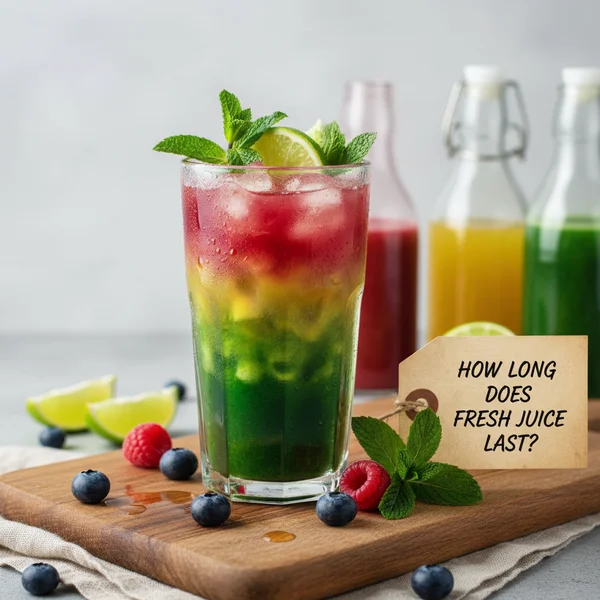
Finally, think about presentation and consumption. While storing juice is convenient, nothing beats the nutritional profile of a drink consumed within twenty minutes of extraction. If you are serving juice to guests, a simple garnish like a sprig of mint or a slice of citrus can elevate the experience, making the drink feel as refreshing as it looks. If you choose to use frozen juice, remember that thawing should always happen in the refrigerator to keep the temperature controlled.
- Use Dark Glass: If possible, use amber or dark-tinted glass bottles to protect the juice from light, which can further degrade certain vitamins.
- The Citrus Secret: Always include a slice of lemon or lime in your recipes; the acidity helps maintain the vibrant color of greens and apples.
- Freeze for Later: Pour leftover juice into ice cube trays. These frozen cubes can be used as a flavorful garnish for water or added back into a blender for a chilled slushie.
- Clean Promptly: Always clean your juicer or blender immediately after use. Dried pulp can harbor bacteria that will contaminate your next batch of juice.
- Label Your Jars: Use a piece of masking tape to note the date and time the juice was made so you never have to guess its freshness.
Summary of Best Practices
Fresh juice is a nutritional powerhouse, offering a concentrated dose of vitamins in a highly hydrating form. To get the most out of your efforts, remember that the clock starts ticking the moment you begin the extraction. While a masticating juicer gives you the luxury of a 72-hour window, a centrifugal juicer or blender requires more immediate consumption. By utilizing airtight glass containers, keeping the liquid chilled, and potentially using the frozen method for long-term storage, you can enjoy a refreshing and healthful beverage whenever you need a natural boost. Always prioritize cleanliness and temperature control to ensure every sip is as safe as it is delicious.
❓ Frequently Asked Questions
1
How long does fresh juice last in the fridge?
Fresh juice generally lasts between 24 and 72 hours in the refrigerator. Juices made with a centrifugal juicer have a shorter shelf life of about one day, while cold-press or masticating juicers produce juice that can stay hydrating and nutrient-dense for up to three days if stored correctly.


2
Can I make fresh juice ahead of time?
Yes, you can make juice ahead of time, though immediate consumption is ideal. To prep in advance, use a masticating juicer and store the liquid in a vacuum-sealed glass container. This helps maintain the refreshing quality and prevents the ingredients from oxidizing or losing their vital enzymes too quickly.
3
What can I substitute for a juicer?
If you don’t have a juicer, use a high-speed blender to process your produce with a little water. Afterward, strain the mixture through a nut milk bag or fine-mesh sieve to remove the pulp. This allows you to create healthy, hydrating beverages using standard kitchen tools you already own.
4
How do I know when fresh juice is done?
You will know your juice is starting to spoil if it develops a sour, fermented smell or an unusually dark, oxidized color. If you see any signs of mold or if the container appears bloated from gas buildup, the juice has expired and should be discarded immediately for safety.
5
Can I freeze fresh juice?
Freezing is an excellent way to preserve juice for up to three months. Use freezer-safe glass jars or silicone ice cube trays, leaving room for the liquid to expand. Thaw the juice in the fridge before drinking, and consider adding a fresh garnish to brighten the flavor after thawing.