What Fruit Goes With Pineapple: Ultimate Pairing Guide
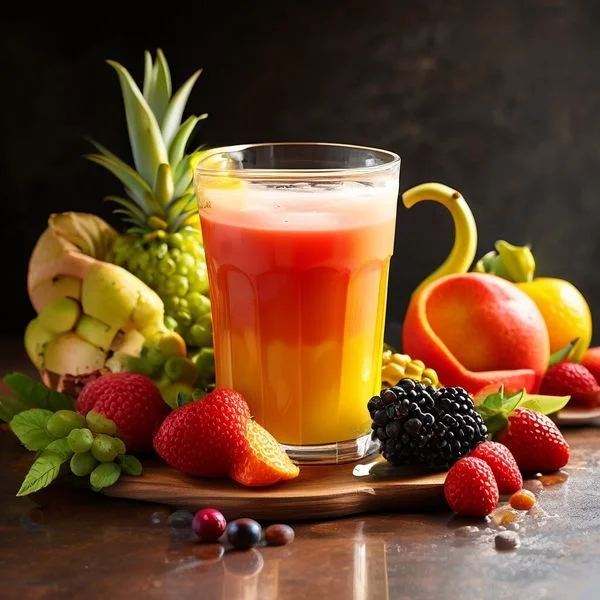
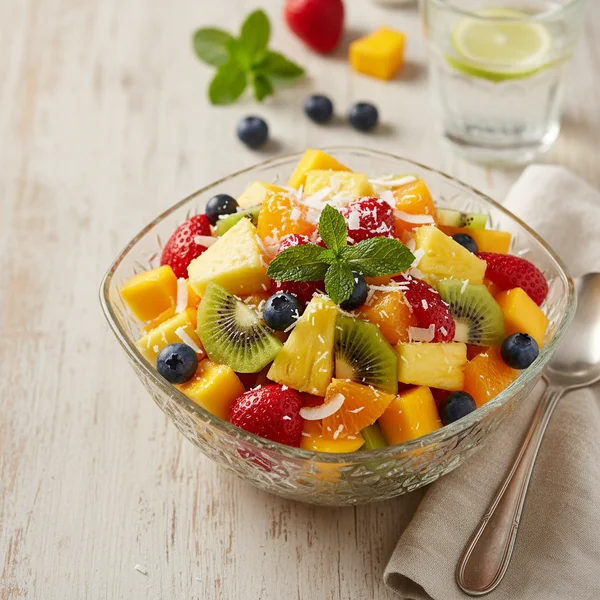
Pineapple pairs exceptionally well with tropical fruits like mango, coconut, banana, and papaya, which complement its sweet-tart profile. For a refreshing contrast, citrus fruits such as lime and orange enhance its acidity, while strawberries and blueberries provide a vibrant color and sweetness. Additionally, pineapple works beautifully with stone fruits like peaches and exotic options like kiwi for a balanced fruit medley.
Understanding the Flavor Profile: Why Certain Fruits Pair with Pineapple
Determining what fruit goes with pineapple requires an understanding of the pineapple’s unique chemical makeup. Pineapple is characterized by a high concentration of sugars balanced by significant acidity. The primary enzyme in pineapple, bromelain, also plays a role in how it interacts with other foods, particularly proteins, but in the context of fruit pairing, it is the aromatic compounds that matter most.
The Tropical Synergy
The most natural companions for pineapple are other tropical fruits. Mango is perhaps the most popular choice; its buttery, floral sweetness rounds out the sharp, acidic bite of the pineapple. Coconut is another classic pairing, often found in tropical beverages and desserts. The creamy, fatty texture of coconut milk or shredded coconut provides a rich mouthfeel that tempers the juice-heavy nature of pineapple. Banana is frequently overlooked but offers a starchy sweetness that acts as a fantastic base for pineapple-heavy smoothies or fruit salads.
The Role of Acid and Citrus
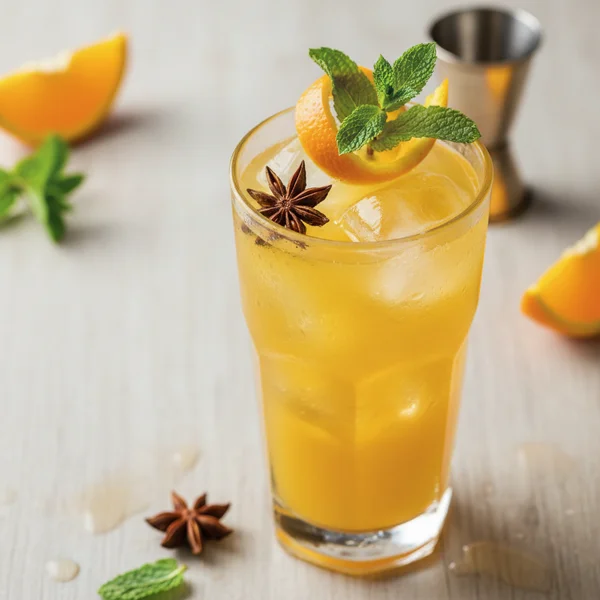
While pineapple is acidic on its own, adding citrus fruits like lime or orange can brighten the flavor profile significantly. Lime juice is a common “bridge” ingredient in recipes, helping to unify the sweetness of various fruits while adding a sharp, zesty top note. Orange, on the other hand, adds a mellow sweetness and a burst of vitamin C that complements the pineapple’s juice profile without overwhelming it.
Berries and Stone Fruits
If you are looking for a visual and textural contrast, berries are an excellent choice. Strawberries offer a soft texture and a floral sweetness that sits well alongside the fibrous crunch of fresh pineapple. Blueberries and raspberries add a tart complexity and deep pigments that make any fruit-based recipe visually stunning. Stone fruits, such as peaches and nectarines, share a similar “sunny” flavor profile with pineapple, making them ideal partners in summer salsas or grilled fruit platters.
How to Create the Ultimate Pineapple and Tropical Fruit Medley
Combining pineapple with other fruits is more than just tossing them in a bowl. To get the best results for your recipe, follow these steps to ensure the flavors and textures are perfectly balanced. This guide focuses on a versatile tropical salad that can serve as a side dish or a light dessert.
Recipe Details
- Prep time: 20 minutes
- Cooking time: 0 minutes
- Servings: 6
- Calories: Approximately 145 calories per serving
Ingredients List
- 1 large fresh pineapple, peeled, cored, and cubed
- 2 ripe mangos, diced
- 1 cup fresh strawberries, quartered
- 2 kiwis, peeled and sliced into half-moons
- 1/2 cup fresh blueberries
- Juice of 2 limes
- 1 tablespoon honey or agave nectar (optional)
- 2 tablespoons fresh mint leaves, chiffonade
- Optional: 1/4 cup toasted shredded coconut for topping
Instructions
Step 1: Prepare the Base Fruit
Start by processing the pineapple. It is important to remove the “eyes” and the tough inner core, as these can be unpleasant to eat. Cube the pineapple into uniform 1-inch pieces. Place these in a large mixing bowl. The juice released during cutting will act as part of the natural dressing.
Step 2: Add Structural Fruits
Incorporate the diced mango and sliced kiwi. These fruits are softer than pineapple but hold their shape well. Gently fold them into the bowl. If you are using banana, wait until just before serving to add it to prevent browning and a “mushy” texture.
Step 3: Integrate Berries for Color
Carefully add the strawberries and blueberries. Berries are delicate, so you want to avoid over-mixing, which could lead to the strawberry juices staining the yellow pineapple.
Step 4: Create the Citrus Glaze
In a small separate bowl, whisk together the lime juice and your sweetener of choice (honey or agave). This glaze helps prevent the fruit from oxidizing and enhances the natural sugars of the pineapple. Drizzle the mixture over the fruit and toss very gently.
Step 5: Garnish and Serve
Just before serving, sprinkle the fresh mint and toasted coconut over the top. The mint provides a cooling aromatic finish that cuts through the intense sweetness of the tropical fruits.
Important Considerations for Pairing Pineapple
When deciding what fruit goes with pineapple, there are several culinary and scientific factors to keep in mind to ensure your recipe is a success.
Managing the Bromelain Enzyme
As mentioned earlier, pineapple contains bromelain, a protease enzyme that breaks down proteins. This is why your mouth might tingle when eating raw pineapple. When pairing pineapple with other fruits, this enzyme isn’t usually an issue. However, if your recipe involves mixing fruit with dairy (like a yogurt bowl) or gelatin, be careful. Raw pineapple will prevent gelatin from setting and can make dairy taste bitter if left to sit for too long. To avoid this, you can lightly poach the pineapple or use canned pineapple, as the heating process inactivates the enzyme.
Texture Consistency
Pineapple is quite firm and fibrous. When pairing it with very soft fruits like overripe papaya or raspberries, the pineapple can easily dominate the texture. Aim for a mix of “crunch” and “softness.” Pairing pineapple with crisp apples or slightly under-ripe pears can provide a unique textural experience, while pairing it with creamy fruits like avocado (technically a fruit!) creates a sophisticated flavor profile often used in modern culinary dishes.
Ripeness Alignment
A common mistake is pairing perfectly ripe pineapple with under-ripe companion fruits. Because pineapple is so intensely flavored, any fruit that is not at its peak ripeness will taste bland or overly tart by comparison. Ensure your mangos are fragrant and soft to the touch and your berries are deep in color before mixing them with fresh pineapple.
Storage and Oxidation
While pineapple itself does not brown as quickly as apples or bananas, the fruits it is often paired with do. If you are preparing a dish ahead of time, keep the pineapple separate from the highly oxidative fruits until the last moment. The acidity in the pineapple juice can actually help slow the browning of other fruits, but it is not a foolproof preservative.
- Enhance with Heat: Grilling pineapple alongside peaches or plums caramelizes the sugars and creates a smoky sweetness that pairs perfectly with a scoop of vanilla bean ice cream.
- Salt is Secret: A tiny pinch of sea salt or a sprinkle of Tajin (chili-lime seasoning) can make the flavors of pineapple and mango pop significantly more than sugar alone.
- Infuse the Juice: If you have leftover pineapple juice, use it to macerate berries or soak apple slices to give them a tropical flair.
- Herb Pairings: Beyond fruit, don’t forget that pineapple loves green herbs. Basil, cilantro, and mint are all excellent additions to fruit salads containing pineapple.
Final Thoughts on Pineapple Pairings
Pineapple is one of the most versatile fruits in the kitchen, acting as a bridge between sweet and savory worlds. Whether you are sticking to the classic tropical trio of pineapple, mango, and coconut, or experimenting with the sharp contrast of citrus and berries, the key is balancing the acidity. By following proper preparation techniques and considering the enzymatic properties of the fruit, you can create vibrant, healthy, and delicious dishes. From a simple snack to an elaborate dessert recipe, knowing what fruit goes with pineapple allows you to elevate your culinary repertoire and enjoy the best that tropical flavors have to offer.
❓ Frequently Asked Questions
1
How long does fruit salad last in fridge?
Most fruit salads with pineapple will last for about 2 to 3 days in the fridge when stored in an airtight container. However, the pineapple’s enzymes may soften other fruits over time. It is best to consume it within 24 hours for the most vibrant texture and flavor.

2
Can I make pineapple pairings ahead of time?
Yes, you can prep the ingredients ahead of time, but it is recommended to keep the pineapple separate from softer fruits like berries until you are ready to serve. This prevents the other ingredients from becoming mushy. Simply combine everything right before your meal for the best results.
3
What can I substitute for fresh pineapple?
If fresh pineapple isn’t available, you can use canned pineapple chunks in juice or frozen pineapple. While the texture differs, they still provide that signature tropical sweetness. For a different flavor profile altogether, mango or tart green apples can sometimes act as a substitute in specific recipes.
4
How do I know when pineapple is done?
Since this is usually a raw preparation, you know the pineapple is ready when it smells sweet at the base and the leaves pull out easily. If you are cooking or grilling it, look for golden-brown caramelized edges and a softened texture, which usually takes about five minutes.
5
Can I freeze pineapple fruit mixes?
You can certainly freeze pineapple and most of its fruit pairings, especially for use in smoothies or cooked recipes. However, the texture will change significantly upon thawing, becoming much softer. It is best to use frozen fruit mixes directly from the freezer rather than trying to eat them raw.