Juices High in Fiber: Healthy & Refreshing
Finding ways to incorporate more fiber into your daily routine often feels like a chore, especially when you are constantly on the go. While traditional centrifugal or masticating juicers are famous for extracting liquid gold, they typically discard the most important part of the plant: the fiber-rich pulp. Transitioning to juices high in fiber—often referred to as whole-food juices—is a game-changer for your digestive health and energy levels. In this guide, we will explore how to use your kitchen tools to create beverages that satisfy your sweet tooth while keeping your gut microbiome thriving. You will learn the best high-fiber ingredients to use and the techniques required to maintain a smooth, drinkable consistency.
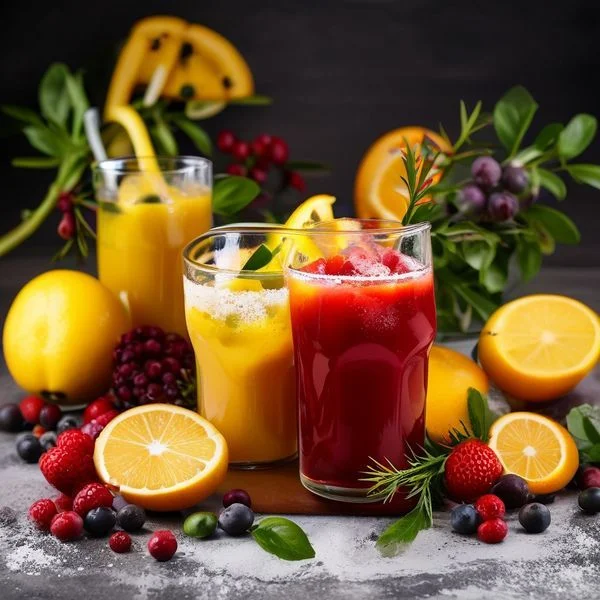
To maximize fiber, choose “whole-food juicing” using a high-speed blender rather than a traditional extractor. This ensures you consume the skins and pulp of fruits and vegetables, which contain the essential roughage needed for digestive health.
The Difference Between Extraction and Whole-Food Juicing
When searching for juices high in fiber, it is vital to understand the mechanics of how your beverage is made. Most commercial juices and home juicing machines work by separating the liquid from the solids. While this results in a thin, easy-to-drink liquid, the fiber is left behind in the waste bin. Fiber is categorized into two types: soluble and insoluble. Traditional juicing may retain some soluble fiber, but the insoluble fiber—the “broom” that cleans out your digestive tract—is lost.
By using a high-speed blender instead of a juicer, you create a “whole juice.” This method pulverizes the entire fruit or vegetable, including the fiber-rich skins and membranes, into a liquid state. This approach not only provides a more refreshing and filling drink but also slows down the absorption of sugar into your bloodstream. When you drink a fiber-less juice, your blood glucose can spike rapidly. Conversely, a fiber-rich blend provides a steady release of energy, making it a superior choice for those managing weight or blood sugar levels.
Top Ingredients for Juices High in Fiber
To create a truly effective high-fiber beverage, you must select ingredients that are naturally dense in roughage. Not all fruits are created equal in this regard. For example, a medium pear contains about 5.5 grams of fiber, while a cup of raspberries boasts a staggering 8 grams. Incorporating these into your morning routine ensures you are hitting your nutritional targets before the day has even truly begun.
| Ingredient | Fiber Content (Approx.) | Primary Benefit |
|---|---|---|
| Raspberries | 8g per cup | High antioxidants & fiber |
| Pear (with skin) | 5.5g per medium fruit | Soluble fiber for heart health |
| Apple (with skin) | 4.5g per medium fruit | Pectin for gut motility |
| Chia Seeds | 10g per 2 tbsp | Omega-3s and massive fiber |
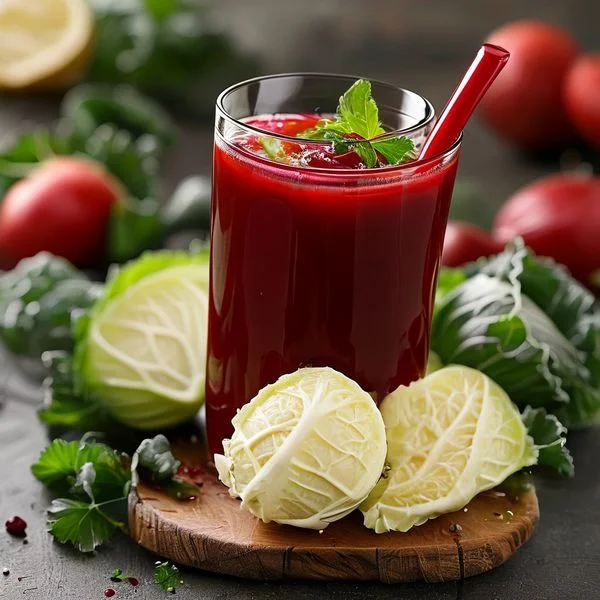
Vegetables also play a significant role. Dark leafy greens like kale and Swiss chard are excellent choices. While they have a lower fiber count than berries, they add volume and essential micronutrients. For a hydrating base, consider adding cucumber or celery. While these are mostly water, blending them whole contributes a small amount of additional fiber while keeping the calorie count low and the drink light.
How to Achieve the Perfect Texture and Temperature
One common complaint about juices high in fiber is that they can feel “gritty” or overly thick. The key to a professional-grade texture lies in the preparation and the temperature. Starting with frozen fruit is a secret hack used by many juice bars. Using frozen berries or mango chunks helps the blender break down the cellular walls of the produce more effectively, resulting in a creamy, sorbet-like consistency rather than a chunky liquid.
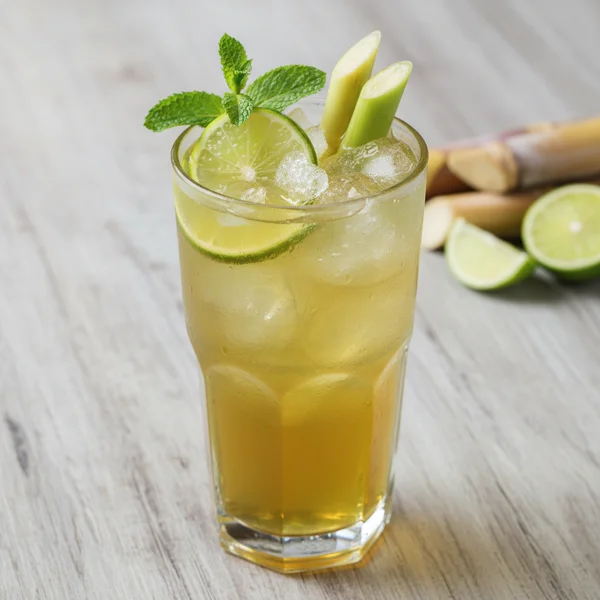
If you are using fresh produce, adding a handful of ice is essential. The friction from high-speed blades generates heat, which can slightly cook the enzymes in your juice and dull the flavor. Adding ice ensures the drink remains chilled and crisp. To make the drink more palatable, filter the water you use to ensure it is clean and neutral-tasting. Once blended, pour the mixture into a glass and add a fresh garnish—such as a sprig of mint or a slice of lime—to elevate the sensory experience. This makes the healthy choice feel like a luxury treat.
The Health Impact of Dietary Fiber in Liquids
The benefits of consuming juices high in fiber extend far beyond simple digestion. Fiber acts as a prebiotic, feeding the beneficial bacteria in your gut. A healthy gut microbiome is linked to improved mood, stronger immunity, and even better skin clarity. When you consume fiber in liquid form, you are essentially pre-digesting the plant material, making it easier for your body to access the vitamins and minerals trapped within the tough cellulose walls of the plants.
Furthermore, fiber-rich juices are incredibly satiating. A standard clear juice often leaves you hungry within thirty minutes because it lacks the bulk required to signal to your brain that you are full. By keeping the pulp in your glass, you trigger stretch receptors in the stomach, which release satiety hormones. This makes high-fiber beverages an excellent tool for those looking to curb mid-afternoon cravings or replace a heavy breakfast with something more hydrating and energizing.
Expert Tips for High-Fiber Blending
To truly master juices high in fiber, you need to think like a nutritionist. First, never peel your fruits unless the skin is inedible (like a banana or orange). The skin of an apple or a cucumber contains the highest concentration of fiber and phytonutrients. Second, consider the “soak method” for additives. If you are adding chia seeds or flaxseeds to your juice, let them soak in a little bit of water for five minutes before blending. This softens the outer shell and allows the blender to integrate them seamlessly into the liquid.
Another expert recommendation is to balance your flavors to mask the “green” taste of high-fiber vegetables. Use acidic components like lemon or ginger to cut through the earthiness of kale or spinach. Finally, always serve your creations chilled. A cold temperature masks the texture of the fine pulp, making the drink feel much smoother on the palate.
- Use the “Pulse” Setting: When adding ice at the end, use the pulse setting to create a slushy, refreshing texture without over-processing the fiber.
- Layering Matters: Put your liquids in the blender first, followed by fresh greens, and then frozen items on top to ensure a smooth vortex.
- Double Down on Hydration: Use coconut water as your base for a hydrating boost of electrolytes that complements high-fiber fruits.
Conclusion
Embracing juices high in fiber is one of the simplest yet most effective ways to upgrade your nutritional intake. By choosing to blend whole fruits and vegetables rather than extracting just their juice, you preserve the life-giving roughage that supports your heart, gut, and waistline. Remember to keep your beverages chilled, experiment with frozen ingredients for better texture, and don’t forget a beautiful garnish to make the experience enjoyable. Start with a simple apple and kale blend today, and feel the difference that real, whole-food hydration can make for your body.
❓ Frequently Asked Questions
1
How long does high-fiber juice last in fridge?
High-fiber juices are best consumed immediately for the best taste and texture. If stored in an airtight glass container, they can last up to 24 hours in the fridge, but expect some separation. Shake well before drinking to redistribute the fiber and nutrients for a consistent experience.


2
Can I make high-fiber juice ahead of time?
Yes, you can prep the ingredients in advance, but it is best to blend them right before serving. Fiber-rich juices tend to thicken or oxidize quickly. If you must blend ahead, add a squeeze of lemon juice to help preserve the color and freshness during storage.
3
What can I substitute for spinach in fiber juice?
If you want a different leafy green, kale or Swiss chard are excellent high-fiber substitutes. For a sweeter profile without greens, try using celery or cucumber, though they offer slightly less fiber. Berries are also a great way to boost fiber content without using any greens at all.
4
How do I know when the juice is done?
The juice is done when all ingredients are completely pulverized and the texture is smooth. Since you are using a blender to keep the fiber, it will be thicker than traditional juice. If it is too thick for your preference, simply add a bit more water or ice.
5
Can I freeze high-fiber juice?
Freezing is a great option for long-term storage. Pour the juice into silicone ice cube trays or freezer-safe jars, leaving room for expansion. Thaw in the fridge overnight or blend the frozen cubes for a refreshing slushy texture that is perfect for hot days and hydrating your body.