Which Juice is Good for Headache? Best Hydrating Drinks
The most effective juices for alleviating headaches are watermelon, cucumber, and ginger juice. Watermelon and cucumber are exceptionally hydrating, addressing dehydration—the leading cause of tension headaches. Ginger juice contains natural anti-inflammatory compounds that mimic the effects of over-the-counter pain relievers. Additionally, green juices rich in spinach provide magnesium, which helps relax blood vessels and reduce migraine frequency. For the best results, consume these juices chilled to soothe the system and restore electrolyte balance.
Understanding Which Juice is Good for Headache Relief
When you are searching for which juice is good for headache relief, it is essential to understand the underlying causes of your discomfort. Headaches are often the body’s way of signaling dehydration, electrolyte imbalances, or inflammation. By choosing the right liquid nutrients, you can target these specific triggers effectively without always relying on pharmacological interventions.
Hydrating Juices for Dehydration Headaches
Dehydration is perhaps the most common culprit behind the throes of a dull, throbbing headache. When the body loses more fluid than it takes in, brain tissues can temporarily shrink and pull away from the skull, causing pain. Watermelon juice is a premier choice in this category. It is comprised of approximately 92% water and is packed with essential electrolytes like potassium and magnesium. A refreshing glass of watermelon juice can quickly restore fluid levels. Similarly, cucumber juice serves as a highly hydrating base for any tonic, offering a mild flavor that is easy on a sensitive stomach.
Anti-Inflammatory Juices for Tension and Migraines
If your headache is characterized by pressure or sharp, localized pain, inflammation may be the driver. Ginger juice has been scientifically studied for its ability to block prostaglandins—chemicals that promote muscle contractions and impact hormones that cause inflammation in the brain. Many people find that a small “shot” of fresh ginger juice mixed with apple or lemon can be as effective as common painkillers for tension-type headaches.
Magnesium-Rich Green Juices
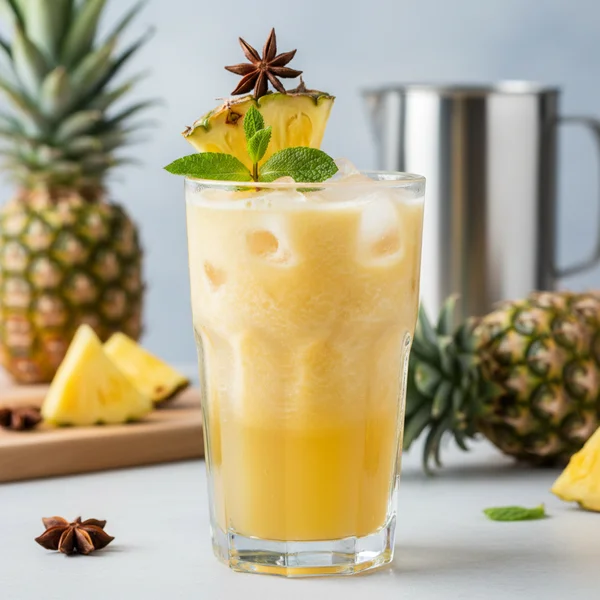
Magnesium deficiency is frequently linked to chronic migraines. Leafy greens like spinach and kale are nutritional powerhouses in this regard. When processed through a blender or juicer, these greens release their minerals in a bioavailable form. Combining spinach with pineapple provides a double benefit; the spinach offers magnesium to relax constricted blood vessels, while the pineapple contains bromelain, an enzyme known for its potent anti-inflammatory properties.
Tart Cherry and Beetroot Options
For those suffering from “rebound” headaches or exercise-induced head pain, tart cherry juice is a fantastic option. It is rich in anthocyanins, which help reduce oxidative stress. Beetroot juice, on the other hand, improves blood flow. By increasing nitric oxide levels in the blood, beetroot juice ensures that oxygen reaches the brain more efficiently, which can alleviate headaches caused by poor circulation or high blood pressure.
Step-by-Step Guide to Making a Headache-Relief Elixir
Creating a juice specifically designed to combat head pain requires a balance of flavor and functional ingredients. Follow these steps to prepare a refreshing, chilled beverage that targets hydration and inflammation simultaneously.
1. Select Your Base Ingredients
Begin by gathering hydrating fruits and vegetables. For a standard serving, you will need two cups of cubed watermelon (preferably frozen for a slushy consistency) or one large cucumber. If you prefer a more nutrient-dense option, add two handfuls of fresh baby spinach.
2. Prepare the Anti-Inflammatory Kick
Peel a one-inch piece of fresh ginger root. Ginger can be quite potent, so if you are new to its flavor, start with a smaller half-inch piece. You may also want to add a slice of lemon or lime to provide Vitamin C and balance the sweetness of the fruit.
3. Use the Blender or Juicer
Place your base ingredients and the ginger into a high-speed blender. If you are using a blender rather than a traditional juicer, you may need to add a half-cup of coconut water to help the blades move. Coconut water is excellent for headaches because it contains more potassium than most sports drinks. Blend on high until the mixture is completely smooth.
4. Strain for Clarity (Optional)
If you used a blender and prefer a smooth, juice-like consistency without the fiber, pour the mixture through a fine-mesh strainer or a nut milk bag into a glass pitcher. However, keeping the fiber can help slow the absorption of natural sugars, preventing a blood sugar spike that might worsen some types of headaches.
5. Cool and Serve
Pour the juice over a generous amount of ice. Headaches often respond well to cold therapy, and drinking a chilled beverage can help lower your core temperature and provide an immediate sense of relief.
6. Add a Final Garnish
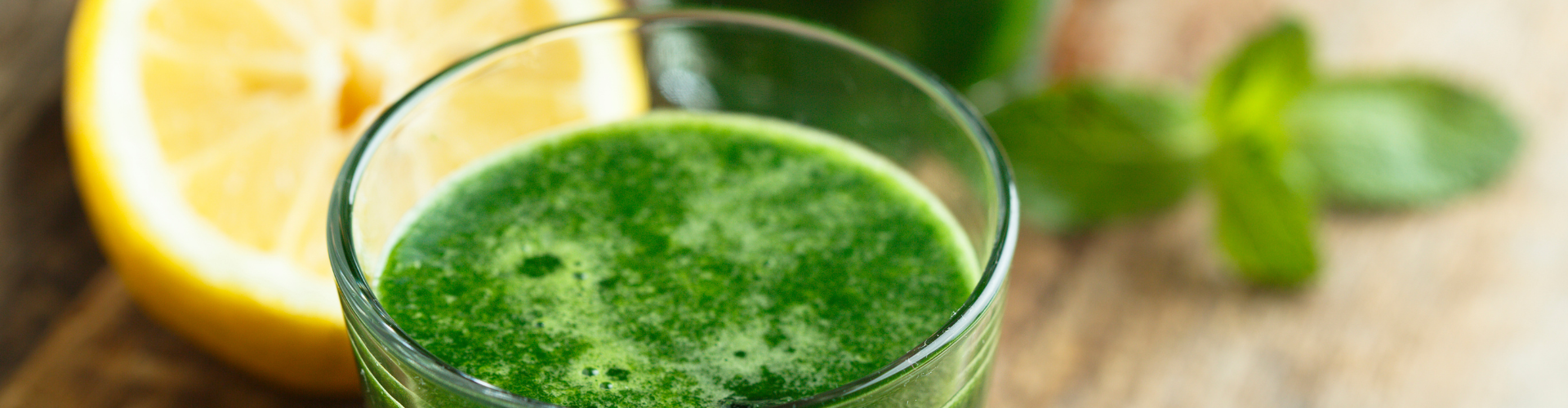
Finish the drink with a garnish of fresh mint leaves. Mint contains menthol, which has been used for centuries to treat headaches and nausea. Simply bruising the leaves before placing them on top of the drink releases the essential oils, allowing you to inhale the soothing aroma as you sip.
Important Considerations for Headache Management via Juicing
While juicing is a natural and effective way to manage symptoms, there are several factors to keep in mind to ensure you don’t accidentally trigger further pain.
Beware of Sugar Spikes
One of the most common mistakes is consuming juices that are too high in fruit sugar (fructose). Rapid spikes and subsequent crashes in blood glucose can actually trigger a “sugar headache.” To avoid this, always balance sweet fruits like pineapple or apples with alkalizing vegetables like celery or cucumber. A 70:30 ratio of vegetables to fruit is generally recommended for those prone to metabolic-related headaches.
Temperature Sensitivity
While a chilled drink is often refreshing, drinking a frozen or icy juice too quickly can cause “sphenopalatine ganglioneuralgia,” commonly known as a brain freeze. This rapid constriction and dilation of blood vessels can exacerbate an existing migraine. Sip your juice slowly and let it sit on your tongue for a second to reach a more moderate temperature before swallowing.
Identify Your Triggers
For some migraine sufferers, citrus fruits (like oranges and grapefruit) or highly acidic juices can be a trigger due to a compound called tyramine. If you notice your headaches worsen after consuming acidic juices, stick to low-acid bases like watermelon, pear, or cucumber. It is also wise to avoid store-bought juices that contain artificial sweeteners, preservatives, or “natural flavors,” as these chemical additives are notorious for causing neurological sensitivity.
Consistency is Key
Juicing should be viewed as a preventative measure as much as a reactive one. If you are prone to chronic headaches, incorporating a hydrating green juice into your daily routine can keep your mineral levels stable, potentially reducing the frequency and intensity of future episodes.
- Keep Ingredients Cold: Use frozen fruit or pre-chill your vegetables in the refrigerator to ensure the final drink is refreshing without needing too much ice to dilute it.
- Add a Pinch of Sea Salt: A tiny pinch of high-quality sea salt in your juice can enhance electrolyte absorption, which is vital for curing dehydration-related pain.
- The Power of Mint: Always use a fresh mint garnish; the scent of menthol can help settle the nausea that often accompanies severe headaches.
- Clean Your Equipment: Ensure your blender is cleaned immediately after use to prevent bacterial growth, which can cause digestive upset and secondary headaches.
Conclusion
Determining which juice is good for headache relief depends largely on the type of pain you are experiencing. For most, a combination of hydrating watermelon or cucumber mixed with anti-inflammatory ginger and magnesium-rich spinach provides the most comprehensive relief. By utilizing a blender to create nutrient-dense drinks and serving them chilled over ice, you can create a powerful, natural remedy at home. Remember to sip slowly, avoid excessive sugar, and use a fresh garnish to enhance the therapeutic experience. With the right ingredients, a simple glass of juice can be your most effective tool for reclaiming a pain-free day.
❓ Frequently Asked Questions
1
How long does fresh juice last in fridge?
Freshly made juice is best consumed immediately to maximize nutrient intake. However, you can store it in an airtight glass container in the refrigerator for up to 24 hours. Be sure to stir or shake the juice before drinking, as natural separation will occur over time.

2
Can I make headache juice ahead of time?
You can prep ingredients like chopped watermelon or cucumber in advance, but it is better to blend them fresh for the best taste. If you must make it ahead, keep it cold and sealed to prevent oxidation and ensure the juice remains refreshing and effective.
3
What can I substitute for ginger?
If ginger is too spicy, try fresh peppermint or turmeric. Peppermint has a cooling effect that can help with tension, while turmeric provides strong anti-inflammatory benefits. Both are excellent alternatives for soothing a headache and can be easily mixed into your hydrating beverage base.
4
How do I know when the juice is done?
The juice is ready once the mixture is completely smooth with no large chunks of ginger or greens remaining in the blender. If you prefer a thinner consistency, you can strain the pulp through a fine-mesh sieve or nut milk bag before adding your garnish and serving.
5
Can I freeze this juice?
Yes, you can freeze the juice in ice cube trays. These hydrating cubes are perfect for adding to water or blending into a slushy later. Freezing is a great way to preserve leftovers, though the texture may change slightly once thawed compared to a fresh blend.