Sugar-Free Meaning: Complete Healthy Guide
Understanding the technical sugar-free meaning is essential for anyone navigating the modern grocery store or following a specific dietary plan. At first glance, the term seems self-explanatory, suggesting the total absence of sugar. However, the regulatory definition is more nuanced than most consumers realize. In the world of food labeling, “sugar-free” is a specific claim regulated by health authorities to ensure consistency across products. This guide will walk you through the legal requirements of this label, the different types of sweeteners used to achieve it, and how to interpret these terms when you are looking at nutritional panels or a new health-conscious recipe. By the end of this article, you will be equipped to distinguish between marketing jargon and genuine nutritional value, helping you make informed choices for your wellness journey.
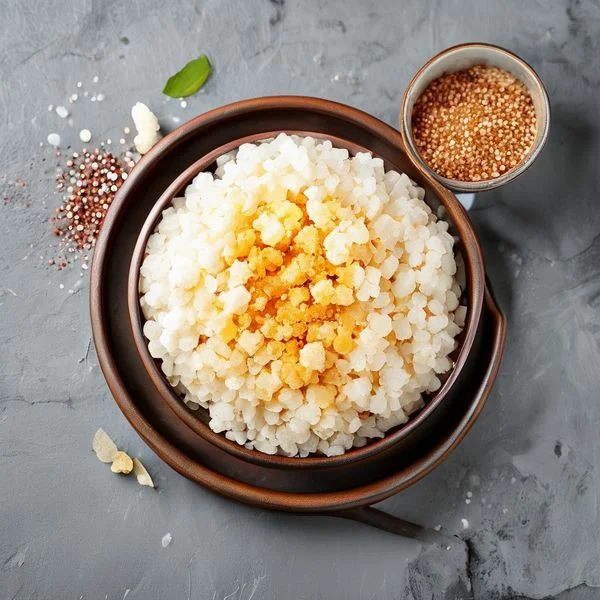
The official sugar-free meaning refers to a product containing less than 0.5 grams of sugars (both natural and added) per serving. It does not necessarily mean the food is calorie-free or carbohydrate-free, as many sugar-free products utilize sugar alcohols or alternative flours.
Decoding the Legal Definition of Sugar-Free
The legal sugar-free meaning is defined by the Food and Drug Administration (FDA) and similar global regulatory bodies. For a manufacturer to print “sugar-free” on a package, the product must contain less than 0.5 grams of sugar per reference amount customarily consumed (serving size). This includes both naturally occurring sugars, like those found in fruit or milk, and added sugars like high fructose corn syrup or cane sugar.
It is important to differentiate this from other common labels such as “No Sugar Added” and “Reduced Sugar.” A “no sugar added” claim means that no sugar or sugar-containing ingredient was added during processing, though the food may still contain significant amounts of natural sugars (like 100% apple juice). “Reduced sugar” simply means the product has at least 25% less sugar than the standard version. When you are following a strict recipe that calls for sugar-free elements, ensuring you are using the correct category is vital for maintaining your glycemic targets.
Furthermore, “sugar-free” does not always mean a product is low in calories. Many manufacturers replace the bulk and texture of sugar with fats or chemically altered starches to maintain palatability. Always check the nutrition facts panel to see how the total energy content compares to the original version of the food.
Common Ingredients in Sugar-Free Products
To achieve the desired sweetness without using traditional sucrose, manufacturers and home cooks rely on a variety of alternatives. These ingredients fall into three primary categories: artificial sweeteners, natural high-intensity sweeteners, and sugar alcohols.
Artificial sweeteners like aspartame, sucralose, and saccharin are hundreds of times sweeter than table sugar but contribute zero calories. While they help in keeping the calories low, some people find they have a chemical aftertaste. Natural alternatives, such as stevia and monk fruit, have gained popularity because they are plant-derived and generally considered more “clean label” friendly.
Sugar alcohols, such as erythritol, xylitol, and malititol, are unique because they provide bulk and texture similar to sugar. This makes them excellent for baking. However, the sugar-free meaning here gets tricky: sugar alcohols are a type of carbohydrate. While they have a lower glycemic index than sugar, they are not always completely “carb-free.” When calculating servings for a ketogenic or diabetic diet, many people subtract the grams of sugar alcohols from the total carbohydrates to determine “net carbs.”
How Sugar-Free Status Affects Cooking and Baking
When you decide to modify a traditional dish to make it sugar-free, you are doing more than just swapping one powder for another. Sugar plays a critical role in the chemistry of cooking; it aids in browning (the Maillard reaction), provides moisture, and creates structure. Following specific instructions is crucial when using sugar-free substitutes because they do not behave exactly like sucrose.
For example, if you are making a sugar-free cake, you might notice that the prep time involves more vigorous whisking or the addition of stabilizing agents like xanthan gum. Because sugar-free sweeteners do not caramelize, the cooking time may need adjustment to prevent the edges from drying out before the center is set.
| Factor | Traditional Recipe | Sugar-Free Variation |
|---|---|---|
| Prep Time | Standard (15-20 mins) | Slightly longer for mixing substitutes |
| Cooking Time | Predictable browning | May require lower temp to avoid drying |
| Ingredients | Flour, Sugar, Butter | Almond Flour, Erythritol, Stevia |
| Calories per Serving | Higher (from sugar) | Lower (if fat content is controlled) |
Identifying Hidden Sugars and Labeling Traps
Even when a product meets the sugar-free meaning criteria, it can still contain ingredients that behave like sugar in the body. Maltodextrin, for example, is often used as a filler in powdered sweeteners. It has a higher glycemic index than table sugar, meaning it can cause a rapid spike in blood glucose despite technically being a complex carbohydrate rather than a “sugar.”
Other “hidden” terms to watch for include:
- Dextrose
- Fruit juice concentrate
- Rice syrup
- Molasses
- Barley malt
If you see these in the ingredients list, the product might not be as “friendly” to your metabolism as the sugar-free label suggests. Truly understanding the sugar-free meaning requires looking beyond the front-of-package marketing and scrutinizing the fine print. This is especially important for those managing insulin resistance or inflammatory conditions.
Health Benefits and Metabolic Impact
Adopting a sugar-free lifestyle can have profound effects on systemic health. Reducing sugar intake is linked to improved dental health, as sugar is the primary fuel for cavity-causing bacteria. More significantly, it helps stabilize blood energy levels. Without the “spike and crash” cycle associated with high-sugar foods, many people report improved mental clarity and reduced cravings.
However, the “meaning” of sugar-free for your body depends on what you use as a replacement. If a sugar-free snack is loaded with highly processed oils and refined starches, the inflammatory impact might negate the benefits of removing the sugar. The goal should be to focus on whole-food ingredients that are naturally low in sugar, using processed sugar-free products as an occasional tool rather than a dietary staple.
Expert Tips
Transitioning to a sugar-free lifestyle doesn’t have to be a chore. Experts recommend a “crowding out” strategy rather than immediate total deprivation. Start by swapping your morning coffee sweetener or your most frequent soda for a sugar-free alternative. When baking at home, try using “blends” of sweeteners (like erythritol mixed with monk fruit) to achieve a more rounded flavor profile that mimics the taste of real sugar. Always pay attention to the servings listed on the box; many people consume double or triple the intended amount, which can lead to digestive discomfort from sugar alcohols like xylitol or sorbitol.
- Check for “Total Carbohydrates” on the label, not just “Sugars,” to see the full metabolic impact of the food.
- Use vanilla extract or cinnamon in your sugar-free recipe to enhance the perception of sweetness without adding any glucose.
- Be mindful of digestive sensitivity; start with small portions when consuming products high in sugar alcohols.
The sugar-free meaning is a specific regulatory standard that allows for a tiny amount of sugar while largely focusing on the substitution of traditional sweeteners. While “sugar-free” is a helpful tool for reducing overall glucose intake, it is not a free pass for unlimited consumption. By understanding the ingredients, monitoring your total calories, and carefully following instructions for sugar-free substitutions, you can successfully navigate this dietary landscape. Always prioritize nutrient density and whole foods to ensure that your sugar-free journey leads to lasting health improvements and sustainable lifestyle changes.
❓ Frequently Asked Questions
1
How long does sugar-free food last in fridge?
Most sugar-free dishes last 3 to 5 days in the refrigerator. However, since they lack the preservative qualities of sugar, they may spoil slightly faster than traditional versions. Always store in airtight containers to maintain freshness and prevent moisture buildup, which can lead to mold and texture changes.

2
Can I make sugar-free recipes ahead of time?
Yes, many sugar-free recipes are perfect for meal prep. Desserts like chia pudding or sugar-free mousses often benefit from chilling overnight. Just ensure you store them properly to preserve the texture, as some sugar substitutes can crystallize or change consistency when kept in the fridge for too long.
3
What can I substitute for sugar in ingredients?
Popular substitutes include monk fruit, stevia, and erythritol. These options provide sweetness without the calories or blood sugar spikes. When following instructions for baking, you may need to adjust the volume of other ingredients or add bulking agents like applesauce to maintain the desired moisture levels and crumb.
4
How do I know when a sugar-free dish is done?
Sugar-free baked goods often lack the traditional browning caused by caramelization. To check for doneness, use a toothpick or internal thermometer. Look for a firm structure and follow the specific instructions regarding prep time and cooking time to ensure your dish is safely cooked through without being overdone.
5
Can I freeze sugar-free meals?
Absolutely! Most sugar-free meals and baked goods freeze exceptionally well for up to three months. Wrap them tightly in plastic wrap or foil and place them in freezer-safe bags. Thaw in the refrigerator before reheating to maintain the best quality, especially for items containing dairy or eggs.