Juicing Recipes for Energy: Ultimate Refreshing Boost
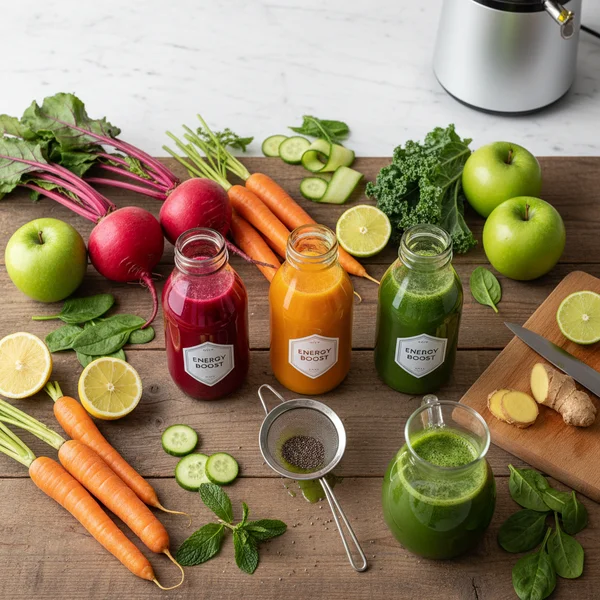
Imagine waking up and feeling an immediate surge of vitality before you even touch a cup of coffee. This vibrant, emerald-hued elixir is the ultimate solution for those seeking natural juicing recipes for energy that actually taste as good as they feel. While many green juices can be overly bitter or earthy, this specific blend balances the sharp zing of fresh ginger with the crisp sweetness of Granny Smith apples, creating a refreshing beverage that sparkles on the tongue. This recipe is particularly special because it focuses on hydrating vegetables that provide a steady stream of stamina without the dreaded sugar crash associated with fruit-heavy blends. Whether you are a busy parent needing a mid-morning pick-me-up or an athlete looking for a pre-workout hydration boost, this revitalizing drink will quickly become your go-to ritual for a brighter, more productive day.
- ⏱️ Prep Time: 10 minutes
- 🍳 Cook Time: 0 minutes
- 👥 Servings: 2 servings
- 📊 Difficulty: Easy
Ingredients
To create this energy-boosting masterpiece, you will need to gather the following fresh ingredients. For the best results, try to use organic produce whenever possible to ensure your juice is free from synthetic pesticides.
- 2 large bunches of organic kale (Lacinato or curly varieties both work well)
- 1 large English cucumber (kept unpeeled for maximum nutrient density)
- 4 stalks of crisp celery, including the leafy tops
- 2 medium Granny Smith apples, cored and sliced
- 1 inch piece of fresh ginger root, scrubbed thoroughly
- 1/2 large lemon, peel removed
- 1 small handful of fresh parsley (approximately 1/4 cup)
- A pinch of Himalayan sea salt (optional, to enhance mineral absorption)
Step-by-Step Instructions
1. The first step in creating high-quality juicing recipes for energy is the meticulous preparation of your produce. Begin by washing all your vegetables and fruits under cold, running water. Even if the produce looks clean, it is important to remove any lingering soil or residue. For the kale and parsley, submerged soaking in a bowl of cool water can help loosen any grit hidden in the curly leaves. Pat everything dry with a clean kitchen towel. Taking the time to properly dry your ingredients ensures that you are getting pure juice rather than diluted water. During this prep time, you can also set up your juicing station, ensuring your collection container and pulp bin are properly in place.

2. Once your ingredients are clean, you need to chop them into sizes that are appropriate for your specific machine. If you are using a centrifugal juicer with a wide feed chute, you may only need to halve the apples and cucumber. However, if you are using a slow masticating juicer, you should slice the cucumber and apples into long, thin strips and chop the celery into one-inch pieces to prevent long fibers from tangling in the auger. Slicing the ginger into thin rounds will also help the machine extract every bit of the spicy, energizing juice contained within the tough root. This thoughtful preparation prevents the machine from jamming and ensures a smooth extraction process.
3. Now it is time to start the actual extraction. A professional secret to maximizing yield from leafy greens like kale and parsley is the “sandwiching” technique. Since leaves are thin, they can sometimes pass through a juicer without being fully crushed. To avoid this, take a handful of kale and parsley and bunch them tightly together into a ball. Feed this ball into the juicer, immediately followed by a hard, water-rich ingredient like a piece of cucumber or apple. The harder ingredient acts as a plunger, forcing the greens against the juicing screen and squeezing out every drop of chlorophyll-rich liquid. Repeat this process until all your greens are processed.
4. Next, introduce the aromatics into the chute. Drop in your piece of ginger and the peeled lemon. Ginger is a powerhouse in juicing recipes for energy because it stimulates circulation and aids digestion, providing a physical “wake-up” sensation. The lemon adds a bright acidity that cuts through the earthiness of the greens and prevents the juice from oxidizing too quickly. By juicing these concentrated flavors in the middle of the process, you ensure they are thoroughly rinsed through the machine by the remaining high-moisture ingredients that follow.
5. Continue by adding the celery and the remaining cucumber. These two ingredients are the hydration heroes of this recipe. Celery is naturally high in organic sodium and potassium, which act as electrolytes to keep your energy levels stable. Cucumber provides a massive amount of structured water and a mild, cooling flavor. As these watery vegetables pass through the juicer, they will “flush” the machine, carrying any remaining kale or ginger particles into your collection pitcher. Watch as the different layers of vibrant green and pale yellow mix together in your jar.
6. Finish the process with the remaining apple slices. The natural sugars in the Granny Smith apples provide an immediate glucose boost for your brain, while the malic acid helps with cellular energy production. Once the last piece of fruit has passed through the machine, let the juicer run for an additional 30 seconds. This allows any final drops of juice to gravity-drain into your pitcher. You will notice a thick layer of foam may form on top; this is perfectly normal and contains many beneficial enzymes, though you can strain it off if you prefer a perfectly clear liquid.
7. The final step is to gently stir the juice with a long spoon. Do not shake the juice vigorously, as introducing too much oxygen can lead to faster nutrient degradation. If you choose to add a pinch of Himalayan salt, do so now and stir until dissolved. Pour the finished elixir into two chilled glasses. For the most refreshing experience, you can serve it over a few ice cubes, though many purists prefer it at room temperature to make it easier for the body to absorb the nutrients immediately. Your total prep time is now complete, and you have a fresh, nutrient-dense beverage ready to enjoy.
To get the most out of your juicing experience, always juice the most expensive or nutrient-dense items (like ginger and greens) first, and the “filler” items (like cucumber) last. This ensures the high-value ingredients aren’t left behind in the pulp. Also, if your juice tastes too “green” or bitter, add an extra squeeze of lemon or a small slice of lime; the citric acid neutralizes bitter alkaloids instantly. For an extra energy kick, try adding a half-teaspoon of spirulina or wheatgrass powder to the finished glass and whisking it in!

Variations & Substitutions
This recipe is highly adaptable based on what you have in your refrigerator. If you find kale too strong, you can substitute it with an equal amount of baby spinach or romaine lettuce for a milder flavor profile. For those who prefer a lower-sugar version, replace the two apples with an extra cucumber or a few stalks of bok choy; this will significantly reduce the total calories while maintaining the high mineral content. If you want to transform this into a “pre-workout” juice, add one small red beet. Beets are excellent in juicing recipes for energy because they contain nitrates that improve blood flow and oxygen usage in the muscles. For a spicy twist, you can add a tiny pinch of cayenne pepper to the finished drink to further stimulate your metabolism.
Storage & Make Ahead
Fresh juice is always best consumed immediately after extraction to take advantage of the live enzymes. However, if you need to save time, you can make this juice up to 24 hours in advance. To store, pour the juice into an airtight glass container, such as a mason jar, filling it all the way to the brim to minimize the amount of air trapped inside. Seal the lid tightly and store it in the back of the refrigerator where it is coldest. If the juice separates, simply give it a gentle swirl before drinking. Freezing is not recommended for this recipe as it alters the delicate flavor and destroys some of the heat-sensitive vitamins.
- Calories: 145 kcal
- Total Carbohydrates: 32g
- Fiber: 2g (liquid fiber)
- Sugars: 18g (natural fruit sugars)
- Protein: 4g
- Vitamin A: 180% DV
- Vitamin C: 120% DV
- Iron: 10% DV
*Nutritional values are estimates based on standard produce sizes. Actual calories and nutrient density may vary depending on the freshness and variety of the ingredients used.
❓ Frequently Asked Questions
1
How long does fresh juice last in the fridge?
Fresh juice is best consumed immediately for maximum nutrient density. However, you can store it in an airtight glass container in the refrigerator for up to 24 to 48 hours. Adding a bit of lemon juice helps preserve the color and prevents rapid oxidation during storage.
2
Can I make juicing recipes ahead of time?
Yes, you can prep your ingredients by washing and chopping them the night before. While juicing right before drinking is ideal, you can juice in batches and store them in sealed mason jars. Just remember that the nutritional value decreases slightly the longer the juice sits.
3
What can I substitute for green apples?
If you find green apples too tart or don’t have them on hand, you can substitute them with pears for a similar sweetness or cucumbers for a more hydrating, low-sugar option. Carrots also provide a natural sweetness that balances out leafy greens well in most energy-boosting recipes.
4
How do I know when the juice is done?
The juicing process is complete once the produce has passed through the machine and the flow of liquid into your pitcher has stopped or slowed to a rare drip. Ensure you have processed all your ingredients and the pulp coming out looks relatively dry for maximum juice extraction.
5
Can I freeze energy juices?
You can freeze fresh juice in airtight containers or ice cube trays for up to three months. This is a great way to preserve nutrients if you have an abundance of produce. Thaw in the refrigerator before drinking, though the texture might change slightly compared to fresh juice.