Juicing for High Blood Pressure: Best Heart-Healthy Recipe
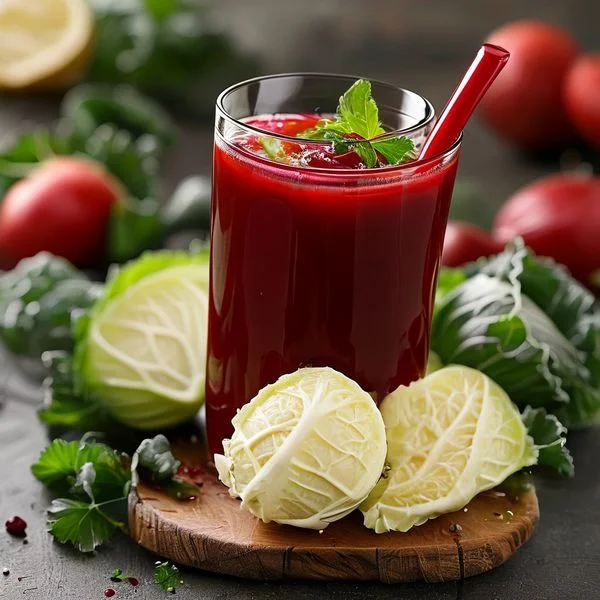
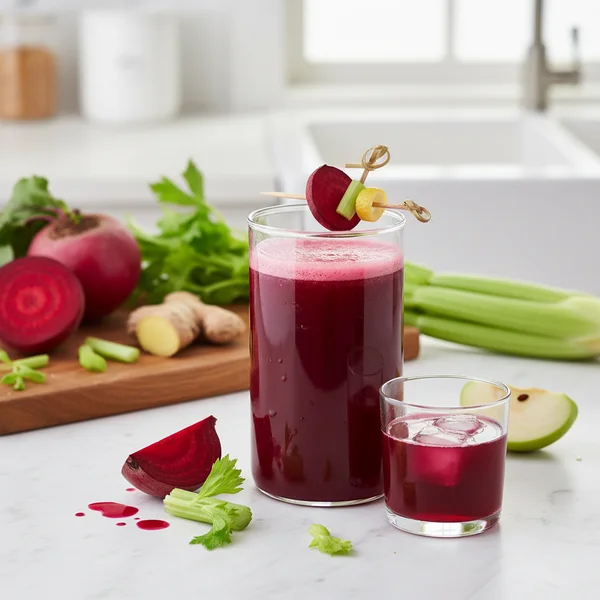
There is something truly transformative about starting your morning with a glass of vibrant, nutrient-dense liquid gold. When you begin your journey with juicing for high blood pressure, you are not just making a drink; you are crafting a powerful elixir designed to support your cardiovascular system. This specific recipe features a brilliant ruby-red hue and a crisp, refreshing flavor profile that balances the earthy depth of beets with the bright, citrusy snap of lemon and green apple. Whether you are looking for a natural way to complement your wellness routine or simply want a delicious, cooling beverage that makes your body feel revitalized, this juice is the perfect solution. You will love how the sweet and savory notes dance on your palate, leaving you feeling hydrated and energized without any heavy digestive burden.
- ⏱️ Prep Time: 10 minutes
- 🍳 Cook Time: 0 minutes
- 👥 Servings: 1 serving
- 📊 Difficulty: Easy
Ingredients for the Ultimate Blood Pressure Support Juice
To ensure the best results for this recipe, always try to source organic produce when possible, as you will be extracting the concentrated essence of these plants. The ingredients listed below are specifically chosen for their high concentrations of nitrates, potassium, and vitamin C.
- 1 medium red beet (including the greens if they are fresh)
- 3 large stalks of organic celery (with leaves attached)
- 2 medium Granny Smith apples (for a low-sugar, tart profile)
- 1 large cucumber (English or hothouse varieties work best)
- 1 inch piece of fresh ginger root (peeled)
- 1/2 medium lemon (peeled, leaving the white pith for extra bioflavonoids)
- 1 handful of fresh flat-leaf parsley
Step-by-Step Instructions
The process of juicing for high blood pressure is straightforward, but following a specific order and technique will maximize the nutrient yield and improve the overall texture of your drink. Follow these detailed instructions to create the perfect glass of juice every time.
Step 1: Prepare Your Workspace and Equipment
Before you begin handling your ingredients, ensure your juicer is properly assembled and your collection containers are in place. Having a dedicated compost bin or bag ready for the pulp will make the cleanup process much faster. Set out a sharp chef’s knife and a sturdy cutting board. Since beets can easily stain surfaces, you might want to use a plastic cutting board rather than a wooden one, or simply rinse it immediately after use to prevent the deep red pigment from soaking in.
Step 2: Thoroughly Wash and Scrub the Produce
Even if you are using organic ingredients, it is vital to wash everything under cold running water. Use a vegetable brush to scrub the exterior of the beet, as soil can often hide in the crevices near the root and stem. For the celery and parsley, ensure you rinse away any trapped sand or dirt between the stalks. You do not need to peel the cucumber or the beet, as many of the beneficial phytonutrients are located in or just under the skin.
Step 3: Strategic Slicing for Your Juicer
Cut your ingredients into sizes that comfortably fit your juicer’s feeding chute. For a centrifugal juicer, you can often leave pieces larger. For a slow masticating juicer, it is better to cut the beet into small batons and the celery into one-inch pieces to prevent the long fibers from tangling in the auger. Core the apples to remove the seeds, as apple seeds contain small amounts of amygdalin. Slice the lemon into wedges, removing the yellow zest but keeping as much of the white pith as possible, as the pith is rich in antioxidants.
Step 4: The Order of Extraction
Begin by feeding the parsley and ginger into the juicer. These are smaller, drier items, and following them with high-moisture produce will help “push” their juice through the machine. Next, add the beet pieces and the celery. The hard density of the beet helps extract any remaining juice from the leafy herbs. Follow this with the cucumber and lemon. The cucumber acts as a natural flusher, providing a high volume of liquid that rinses the inner workings of the juicer.
Step 5: Finish with the Apple
End the juicing process with the apple slices. The crisp texture of the apple helps clear out any remaining vegetable bits, and its natural sweetness will be the final note added to the collection pitcher. Allow the juicer to run for an additional thirty seconds after the last piece of fruit has disappeared to ensure every last drop of the recipe is collected.
Step 6: Skimming and Straining (Optional)
If you prefer a very smooth, “clean” juice, you can pour the liquid through a fine-mesh sieve or a nut milk bag into your final serving glass. This removes the layer of foam that naturally occurs during the juicing process. While the foam contains nutrients, some people find the texture unappealing. Use a long spoon to stir the juice thoroughly, as the heavier beet juice tends to settle at the bottom while the lighter cucumber and apple juice sits on top.
Step 7: Serve and Enjoy Immediately
Pour your freshly pressed juice into a chilled glass. For the best flavor and maximum nutritional impact, drink the juice within fifteen minutes of preparation. If you find the flavor too intense, you can drop in two or three ice cubes to dilute it slightly and provide a refreshing chill. Take small sips and let the flavors settle, noticing the spicy kick of the ginger and the cooling finish of the cucumber.
To get the most out of your ingredients, try chilling your fruits and vegetables in the refrigerator overnight before juicing. Cold produce yields a much more refreshing beverage and helps preserve heat-sensitive enzymes during the extraction process. Additionally, don’t throw away the beet greens! If they are attached to your beet and look fresh, juice them right along with the root; they are packed with potassium which is essential when juicing for high blood pressure.
Variations & Substitutions
One of the best things about this recipe is its versatility. If you find the beet flavor too earthy, you can increase the number of apples or add a pear for extra sweetness. For those who want to lower the calories even further, swap one of the apples for an extra cucumber or a few stalks of romaine lettuce.
If you want to add a spicy flair, a pinch of cayenne pepper can be stirred in at the end; cayenne is often cited in traditional wellness circles for supporting healthy circulation. For a more tropical twist, substitute the lemon for lime and add a small handful of fresh cilantro instead of parsley. If you are following a strictly low-sugar diet, you can omit the apples entirely and use extra lemon and ginger to provide flavor without the fructose.
Storage & Make Ahead
While fresh juice is always best consumed immediately, you can store this recipe if you are in a time crunch. Pour the juice into an airtight glass mason jar, filling it all the way to the very top to minimize oxidation. Seal it tightly and keep it in the back of the refrigerator for up to 24 hours. If you see the juice separate, simply give it a gentle shake before drinking. Note that the vibrant color may dull slightly over time, and the flavor of the ginger will become more pronounced the longer it sits.
Nutrition Info
This refreshing drink is a powerhouse of vitamins and minerals. While the exact values can vary based on the size of your produce, a typical serving of this juice contains approximately:
- Calories: 145 kcal
- Potassium: 850 mg
- Vitamin C: 45% DV
- Vitamin A: 25% DV
- Iron: 10% DV
- Sodium: 95 mg (naturally occurring from celery)
By incorporating this juicing for high blood pressure routine into your daily life, you are providing your body with a concentrated dose of liquid nutrition that is easy to absorb and incredibly satisfying. The prep time is minimal, but the long-term benefits of enjoying such a clean, plant-based beverage are truly significant. Enjoy your journey to better health, one delicious glass at a time!
❓ Frequently Asked Questions
1
How long does juice for blood pressure last in fridge?
For optimal results, drink your juice immediately after preparation. If necessary, you can store it in an airtight glass container in the refrigerator for up to 24 hours. The flavor and nutritional potency will begin to decrease quickly due to oxidation once the produce is juiced.

2
Can I make this juice recipe ahead of time?
While you can prep and wash the ingredients the night before, it is best to juice them right before you plan to drink. If you must make it ahead, add extra lemon juice to help preserve the color and store it in a vacuum-sealed bottle to minimize air exposure.
3
What can I substitute for beets in this juice?
If you don’t like beets, you can substitute them with spinach or Swiss chard, which are also high in nitrates. However, beets are particularly effective for blood pressure. Pomegranate juice is another great alternative that provides similar heart-healthy benefits and a vibrant flavor.
4
How do I know when the juicing process is done?
The process is finished once you have fed all the ingredients through the machine and the juicer stops dripping significantly. The pulp being ejected should feel relatively dry. Give the final liquid a quick stir to ensure all the different layers of juice are well-combined.
5
Can I freeze this vegetable juice?
Yes, you can freeze the juice in ice cube trays or freezer-safe glass jars for up to three months. While some vitamin C might be lost, the minerals like potassium remain stable. Thaw the juice in the refrigerator and shake it vigorously before drinking to restore the consistency.